Although at first sight this might look like a simple ‘making of DANCER IN THE DARK’, the later developments in the film reveal the whole drama of Lars von Trier’s inner life during the shooting process. All his doubts and insecurities in collaborating with the crew and actors - especially actresses - are exposed. The biggest drama started when Björk walked off the set. Nobody knew whether she would be back or not. Admitting that he feels threatened by women, who can ‘make him feel embarrassed’, the director gives this documentary the nature of a personal diary. When he discusses the importance, purpose and beauty of the use of a hundred cameras in a certain sequence or the meaning of the Dogma 95 rules, the audience is witnessing the process of the artist’s search. Is the pain that the director went through during the shooting really visible in the final result, as Lars von Trier claims in this film? (from: http://www.idfa.nl/)
A documentary exploring the origins and evolution of bucking, as well as the life stories and struggles of various Atlanta performers.
Danser sa peine
QUIMERA
The tendency in the world is right-wing, neo-liberal, and people are more controlled. We have less liberty even if we think we have more. The last territory where we can be ourselves and where we can have full freedom is our own body. The documentary "BARE" focuses on male nudity in the modern dance. The story follows a well-known Belgian choreographer Thierry Smits through a process of building his new creation with a group of male dancers performing bare naked.
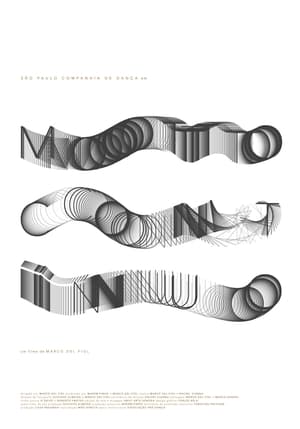
Olivier Assayas’ Eldorado is a riveting documentary chronicling the efforts of Ballet Preljocaj to choreograph an otherworldly icon of 21st century music: Karlheinz Stockhausen’s ethereal Sonntags-Abschied.
Habana Shakes takes us on a rhythm-filled odyssey spanning ten vibrant days in Havana, a pulsating island city teetering on the edge of transformation. Infused with a lyrical heart, this is not just an homage to Cuba's spirited culture but also provides an intimate window into the dynamic worlds of Cuban youth. Through the eyes of a skater, a tattoo artist, an actor, a ballerina and an electronica DJ, we find ourselves asking: What aspirations do these young Cubans hold for their nation and future, and how might these differ from or echo the dreams and hopes of their parent’s generation?
Documentary about choreographer/director Bob Fosse, and his influence on dance.
BYE (AJÖ), a new dance film, is choreographed and directed by acclaimed Swedish choreographer Mats Ek. " About a woman (Sylvie Guillem) who takes leave of a certain stage in her life. It is a conversation that she has with herself that leads to new experiences.
A brief history of the emergence and artistic innovations of tango in 19th-century Argentina and Europe. The film offers a mosaic of tango melodies, art works, dance performances, historical footage, photographs of Buenos Aires at the turn of the 20th century, and texts by Celedonio Flores and Enrique Santos Discépolo.
Narrated by award-winning actor and dancer David Gulpilil, Carriberrie guides audiences across a stunning array of iconic Australian locations and performances, from the traditional to contemporary. From ceremonial creation dances in the heart of the Outback, to honey gathering songs in the rain-forest, bush-punk band The Lonely Boys performing in Alice Springs and a finale featuring Ban-garra Dance Theatre by Sydney Harbour, Carriberrie brings together art, technology and Indigenous performance in inspired new ways.
A document of Tatsumi Hijikata's Butoh dance with Kazuo Ohno as the guest dancer shot in Hijikata's early period when he was emerging as the originator of Butoh. All of the male dancers are dressed up with evening suits and move gracefully, yet an intruder breaks up the whole scene abruptly. The film is worth seeing, even if just to see a memorable gay duet of Hijikata and Ohno. Overexposed, washed out images are sandwiched among normal ones.
The story behind the Uganda-based YouTube dance sensations who have endured devastating personal loss from famine and war, and use the power of dance and song to overcome hardship.
Dance music has spread across the world transcending religious & racial barriers connecting to the hearts and souls of millions. People have always felt the rhythm of music and have as a result evolved countless dance styles throughout the ages. Beginning in the late 80's in Melbourne's underground dance music party scene, a revolutionary freestyle dance began to grow and has now developed into the most unique and robust underground dance style since the birth of Breakdancing. The Melbourne Shuffle has no set steps but encourages individuality and imagination, incorporating dance moves from numerous styles such as miming, popping & locking, liquid and breaking.
The film presents thirteen rhythms of flamenco, each with song, guitar, and dance: the up-tempo bularías, a brooding farruca, an anguished martinete, and a satiric fandango de huelva. There are tangos, a taranta, alegrías, siguiriyas, soleás, a guajira of patrician women, a petenera about a sentence to death, villancicos, and a final rumba.
This short documentary profiles the traditional music and pageantry of Polish-Canadians in Manitoba. The heritage and national traditions of Poland were brought to Canada by immigrants and sustained across generations. The colourful traditional dress and lively music of Polish-Canadians is captured by ethnomusicologist Laura Boulton, a pioneering woman in the educational documentary film movement whose goal was to “capture, absorb, and bring back the world’s music.”
Canadas contemporary dance group La La La Human Steps performs Édouard Lock's "Human Sex" .
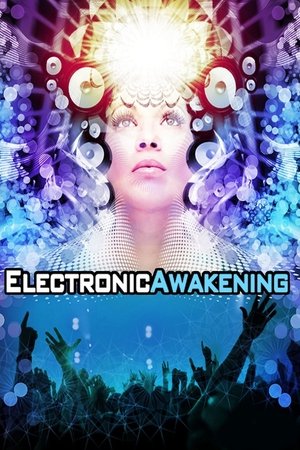
A documentary following the conscious evolution of electronic music culture and the spiritual movement that has awakened within.
A documentary film that highlights two street derived dance styles, Clowning and Krumping, that came out of the low income neighborhoods of L.A.. Director David LaChapelle interviews each dance crew about how their unique dances evolved. A new and positive activity away from the drugs, guns, and gangs that ruled their neighborhood. A raw film about a growing sub-culture movements in America.
Maurice Hines -- actor, director, singer, and choreographer -- navigates the complications of show business while grieving the loss of his more famous, often estranged younger brother, tap dance legend Gregory Hines.