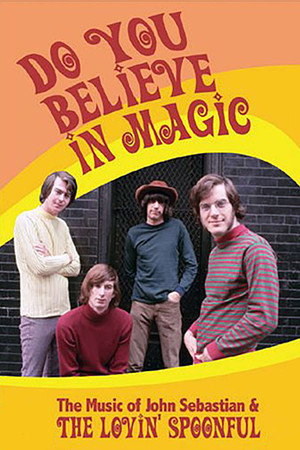
Pop sensations the Lovin' Spoonful perform their biggest hits in this collection of television appearances from the 1960s and '70s. Lead singer and songwriter John Sebastian discusses the band, their music and their legacy. Songs include "Summer in the City," "She's Still a Mystery," "Nashville Cats," the hit theme to the sitcom "Welcome Back, Kotter," "Did You Ever Have to Make Up Your Mind?" and "Do You Believe in Magic?"
On a January night in 1985, music's biggest stars gathered to record "We Are the World." This documentary goes behind the scenes of the historic event.
A short documentary exploring Calgary noise-rock band, Radioactive Vampire Teeth.
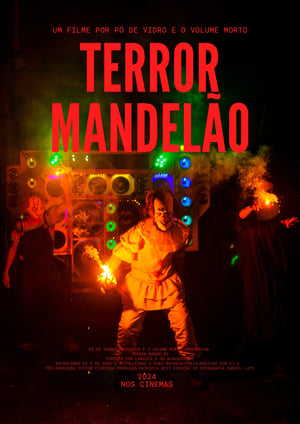
Terror Mandelão addresses sound, technology, and the job market in the universe of baile funk in São Paulo's favelas. The film follows the journey of DJ K, one of the main DJs of Baile do Helipa, the street party of Heliópolis favela, and his friend Zero K, who got his first hit after 10 years as MC. Combining documentary, fictional elements, and visual experimentation, it portrays the ups and downs faced by young artists on the outskirts.
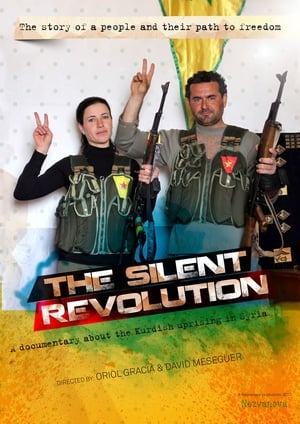
The documentary The Silent Revolution explains the revolution involving nearly 3 million kurds living in Syria. With the outbreak of the civil war —in the frame of the called ‘Arab Spring'— the Kurds of Syria have taken advantage of the context to fight for their political and cultural recognition and thus end the repression that started more than 50 years ago.
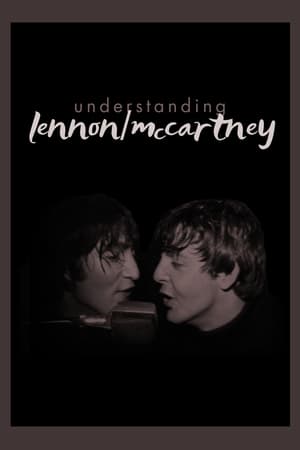
This 5-part series is the most intimate, comprehensive biography ever made on John and Paul. Told almost entirely through their own words and music, with information culled from a variety of direct sources and compiled in a way that has never been done before, it directly challenges many of the dominant narratives in Beatles mythology.
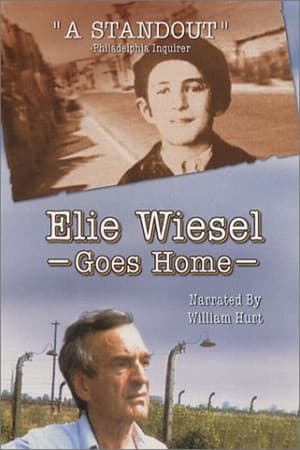
A documentary chronicling the adolescent years of Elie Wiesel and the history of his sufferings. Eliezer was fifteen when Fascism brutally altered his life forever. Fifty years later, he returns to Sighetu Marmatiei, the town where he was born, to walk the painful road of remembrance - but is it possible to speak of the unspeakable? Or does Auschwitz lie beyond the capacity of any human language - the place where words and stories run out?
Though both the historical and modern-day persecution of Armenians and other Christians is relatively uncovered in the mainstream media and not on the radar of many average Americans, it is a subject that has gotten far more attention in recent years.
An adventure-filled journey through 60 centuries of history, to learn about the formation, changes and developments and progress of musical art in Iran.
Second Episode: About the changes and developments in the music of this land from the end of the Safavid era to the end of the Second World War. From the courts of different kings to holding the first concerts in Iran, from the introduction of the sound recording phenomenon to Iran, to the influence of the western world on Iranian music and the establishment of a music conservatory. In this episode, we also see the role of music and its artists in the struggle for social change.
The evolution of music from Shahrivar 1320 (August 1941) at the same time as the reign of MohammadReza Pahlavi until 22 Bahman 1357 (February 1978) and the banning of music by Ruhollah Khomeini.
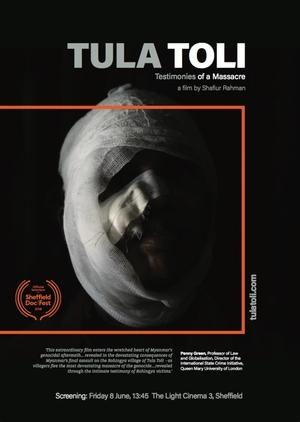
Filmed along the Myanmar-Bangladesh border and within Rohingya refugee camps, Shafiur Rahman’s documentary on the 2017 Tula Toli massacre exposes chilling interviews and evidence of Myanmar military’s premeditated atrocities. The film documents mass killings, sexual violence, and the systematic destruction of the village of Tula Toli, highlighting a humanitarian crisis that forced over half a million people—many of them children—to flee in an exodus of historic scale.
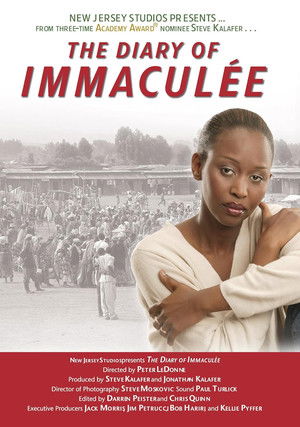
Peter LeDonne and Steve Kalafer chronicle the extraordinary life of Immaculée Ilibagiza, a young African woman who escaped genocide in Rwanda and ultimately found refuge in the United States. Seeking shelter with an Episcopalian minister, Immaculée hid from her attackers inside a bathroom for three long months but stayed centered through prayer and faith.
Turkey's history has been shaped by two major political figures: Mustafa Kemal (1881-1934), known as Atatürk, the Father of the Turks, founder of the modern state, and the current president Recep Tayyıp Erdoğan, who apparently wants Turkey to regain the political and military pre-eminence it had as an empire under the Ottoman dynasty.
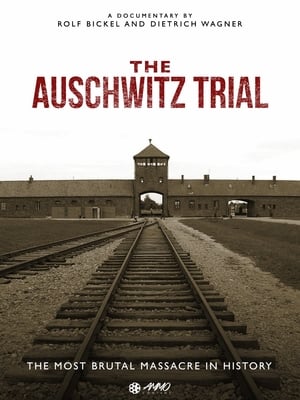
The biggest trial of Nazi war crimes ever: 360 witnesses in 183 days of trial - a stunning and gripping portrayal of the most terrible massacre in history.
Arturo Urbiola, independent singer/songwriter, talks about the influence music has had on his life, it's impact, and what's in store for his artistic career after becoming a father.
Amber Galloway, a trailblazer in ASL interpretation, takes us on a journey into the deep bond between the Deaf world and music. We follow her as she teaches struggling recruits who she hopes will have what it takes to join her at ACL music festival.
A night with the boisterous, Norwich based post-punk band "The Aide." Love them or hate them, they have a movie now.
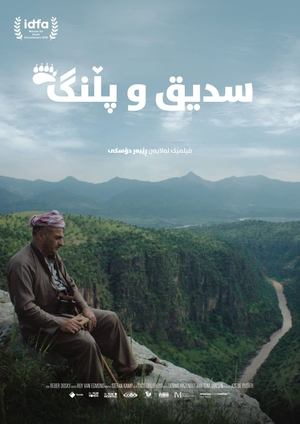
If Sidik manages to spot a leopard in his beloved mountains of Kurdistan, the area can be declared a protected nature reserve. Will that finally bring peace?
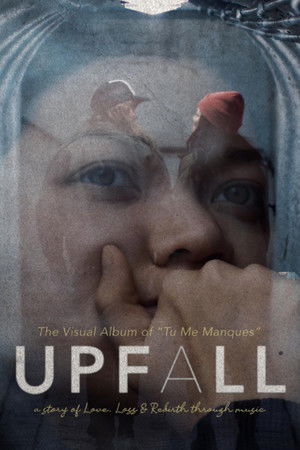
A Story of Love, Loss & Rebirth through a Musical Journey. Rachel Andie tells her story of Love, Loss and Rebirth in a feature length visual album, complimenting her music album, "Tu Me Manques." As the story winds through a few years of her life in Philadelphia, her essence is captured both on and off the stage. The co-director, Skyler Jenkins, has been a friend of Rachel's since he moved into Philadelphia, always living a block away; since he was so close to her, he was able to capture a very authentic and intimate look into this artist's life. The visual album was released in 2022 on YouTube, each week a new visual is released, along with a part of the story.