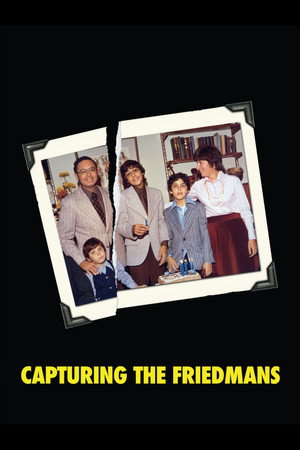
An Oscar nominated documentary about a middle-class American family who is torn apart when the father Arnold and son Jesse are accused of sexually abusing numerous children. Director Jarecki interviews people from different sides of this tragic story and raises the question of whether they were rightfully tried when they claim they were innocent and there was never any evidence against them.
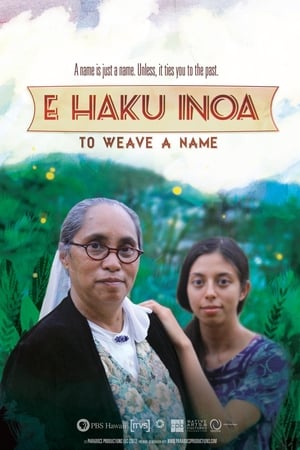
A mother and daughter, estranged by divorce and mental health issues, reconnect through patience, understanding, and their a shared appreciation of their Native Hawaiian heritage.
Goodbye Darling, I'm Off to Fight
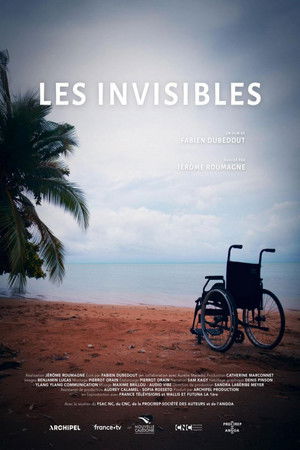
"In Wallis and Futuna, disability has long lived in the shadows. Invisible to the world, those affected were marginalized, deprived of genuine recognition and a place in society. Behind closed doors, shame and fear of judgment mingled with the pain of families convinced that a child with a disability was a curse. Today, these superstitions are gradually fading. But the wounds of the past remain, and the path to acceptance and inclusion is still long. On this archipelago, it is urgent to make up for lost time in terms of recognition, support, and dignity for every person with a disability."
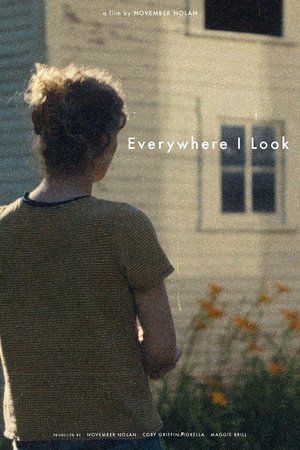
Examines the intergenerational impact of addiction by chronicling the love, labor, loss, and uncertainty of one woman’s struggle to live a life of sobriety. Weaving together moments of glee, fulfillment, acceptance, sorrow, and disappointment, this documentary takes an intimate look at the bonds that hold one family together and a disease that threatens to tear them apart.
Over many years, the director’s father filmed his family life almost obsessively. His daughter’s birth, his son’s first steps, and always Valérie, the young mother. An impressive fund of material which their now grown-up daughter Faustine appropriates to tell quite a different story: that of a woman who sees her role as a mother and its demands take away her freedom step by step.
In the mountains of Colombia's Coffee Triangle, a family faces the shadow of armed conflict. Years later, a son reconstructs the inherited fear, amidst echoes of the past and invisible scars. A sensory journey into memory, where the unspoken still resonates.
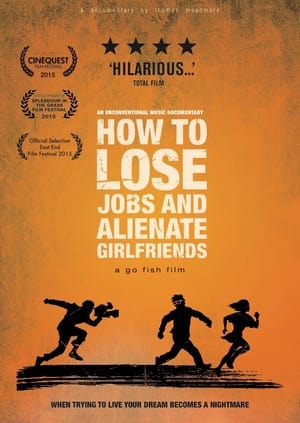
First time filmmaker follows his girlfriend and boss chase their dream as musicians. His insecurities flair while struggling to find a story, and begins challenging their flaws, on camera, jeopardizing the film, relationships and careers.
A young trans woman travels back to places she visited as a child with her mother, reflecting on memory, loss, and grief.
After four years away, Huiju returns home to South Korea. Exchanges with her loved ones are awkward and clumsy. Huiju turns once again to her familiar rituals: pruning the trees, preparing a sauce, tying a braid.
Quatro em Linha
On June 11th, 1997, Philippe Kahn created the first camera phone solution to share pictures instantly on public networks. The impetus for this invention was the birth of Kahn's daughter, when he jerry-rigged a mobile phone with a digital camera and sent photos in real time. In 2016 Time Magazine included Kahn's first camera phone photo in their list of the 100 most influential photos of all time.
The Sykora family are only four people out of millions of Venezuelans that have recently escaped their collapsing country. They land in the Czech Republic, the country where Grandpa Jan was born, but also a place utterly strange to them. In a matter of months their savings have almost gone and job seeking becomes a nightmare. Again, the dream of just having a normal life starts to vanish. Will the family manage not to crumble along the way?
Thomas Haemmerli is about to celebrate his fortieth birthday when he learns of his mother's death. A further shock follows when he and his brother Erik discover her apartment, which is filthy and full to bursting with junk. It takes the brothers an entire month to clean out the place. Among the chaos, they find films going back to the 1930s, photos and other memorabilia.
In this layered short film, filmmaker Janine Windolph takes her young sons fishing with their kokum (grandmother), a residential school survivor who retains a deep knowledge and memory of the land. The act of reconnecting with their homeland is a cultural and familial healing journey for the boys, who are growing up in the city. It’s also a powerful form of resistance for the women.
A nuanced portrait of a new generation, Dear Thirteen is a cinematic time capsule of coming of age in today’s world. Through the eyes of nine thirteen-year-olds, we see how pressing social, geographical and political challenges are shaping, and being shaped by, young people: rising anti-Semitism in Europe, guns in America, gender identity and racial divisions across Australia and Asia. With no adult commentary outside the filmmaker, Dear Thirteen offers an intimate view into the universal uncertainty inherent in growing up.
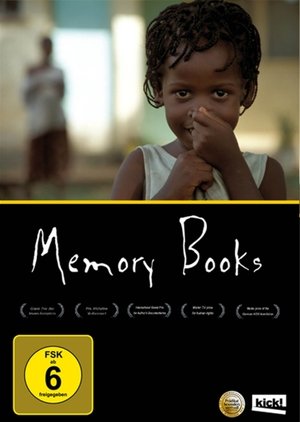
In Uganda, AIDS-infected mothers have begun writing what they call Memory Books for their children. Aware of the illness, it is a way for the family to come to terms with the inevitable death that it faces. Hopelessness and desperation are confronted through the collaborative effort of remembering and recording, a process that inspires unexpected strength and even solace in the face of death.
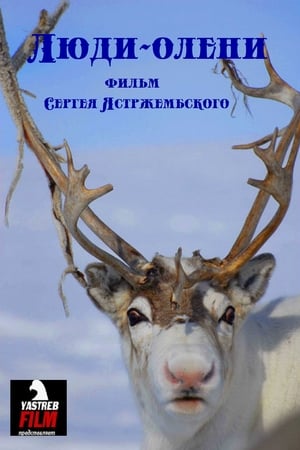
The Chukchi reindeer breeders are peculiar people. They are nomads. Reindeers are their welfare, the purport of life. The mother-reindeer is the main divine being; it protects the Chukchi from misfortune and troubles. Nature is not friendly towards people here. Only Chukchi can survive in Tundra. A rush period for the Chukchi reindeer breeders comes in winter, when the temperature rises up to 50 degrees Celsius at night and in the sunlight of the day it doesn't exceed 40 degrees Celsius in tundra: they should separate young deers from the rest of the herd, the weak from the strong. And this, considering that the herds of the Chukchi reindeer breeders number some thousand heads...
Apuntes a la Orilla
A Danish family travels to Brazil to say goodbye to their mother, who passed away six years ago. But things don't quite go according to plan. Can the father and the two adult sisters reach each other and talk about loss, life and death?