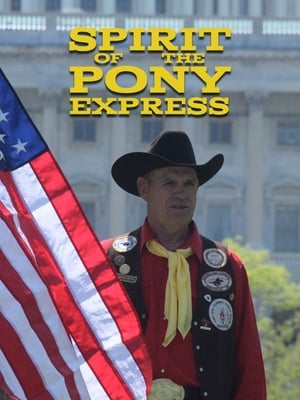
Celebrate the 150th anniversary of the short-lived but far-reaching American Institution The Pony Express by following a historical re-enactment along the original trail from Sacramento California to Saint Joseph Missouri.
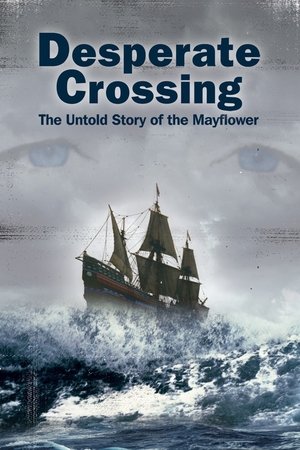
So much more than simply the story of the Thanksgiving meal, the epic saga of the Pilgrims is one of the fundamental narratives of our nation. This ambitious documentary presents the definitive history of the Pilgrims and their journey to and colonization of the New World. A marriage of feature-film quality historical reenactments with the latest scholarship and analysis of original source material, this definitive look at the Pilgrims' progress will shed light on the reality of their experience.
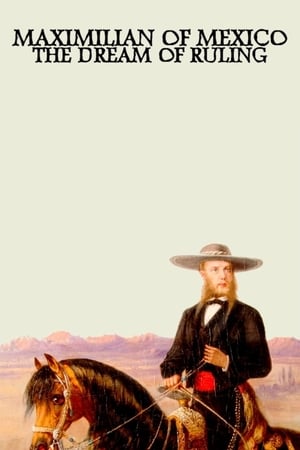
The life and struggles of Ferdinand Maximilian Joseph Maria of Habsburg-Lorraine (1832-1867), emperor of the Second Mexican Empire as Maximilian I of Mexico from 1864 to 1867 (under the wing of Emperor Napoleon III and the French Empire), his tragic confrontation with Mexican leader Benito Juárez, the defeat of the will and the end of a dream.
A documentary by author Steven Goldleaf. This 2003 extremely low-budget 32-minute documentary traces the geographic roots of F. Scott Fitzgerald’s 1925 novel The Great Gatsby, setting straight Fitzgerald scholars’ mistaken assumptions (including some in the authoritative 1991 annotated Cambridge edition of the novel) about where the novel was set, where Fitzgerald deliberately distorted the geography for literary effect, where he misapplied his geographic knowledge of Long Island and New York City. It traces where Fitzgerald lived and traveled as he was composing the novel, with many photographs of these locations in the mid-1920s. In one instance WHAT GATSBY SAW identifies (with a contemporary photograph) the precise location of the fatal automobile accident at the story’s climax, which had never before been definitively established. (credit Steven Goldleaf).
Agent Yellow is a powerful indictment of the U.S. government’s systematic prejudice against Chinese-American scientists. The film focuses on the mistreatment of Chinese scientists who contributed significantly to American military research, specifically describing the tragic cases of Dr. Wen Ho Lee and Dr. Tsien Hsue-Shen.
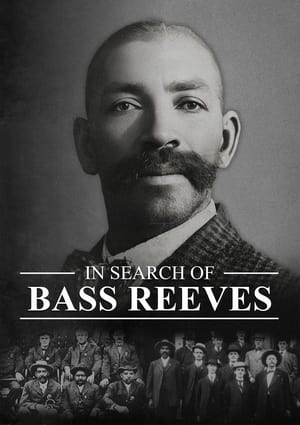
By the end of his illustrious career, Deputy U.S. Marshal Bass Reeves may well have been the preeminent lawman of the Old West. He brought upwards of 3,000 outlaws to justice and served in law enforcement for 32 years during Reconstruction after the Civil War. His story is one of an escape to freedom and the dangers of the West for a former slave who rose to become a legend of the law. Join us as we go in search of Bass Reeves.
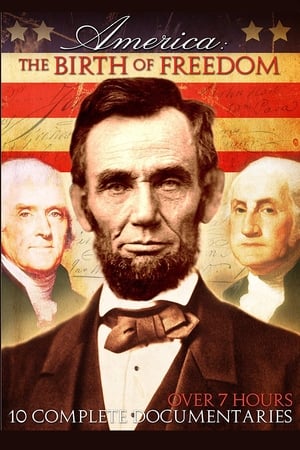
An Important and relevant portrait of America's early years! Embark on an exciting, historical journey through the battles and victories surrounding America's pursuit for freedom. This poignant documentary series is comprehensively presented through narration, photographs and paintings to create a visual history of America's founding ideals of liberty and freedom. This ten-part documentary series examines the people and events that led up to our nation's battle for independence against the world's largest military power during the Revolutionary War through the presidencies of freedom fighters Thomas Jefferson and Abraham Lincoln who were forever dedicated to the proposition that all men are created equal.
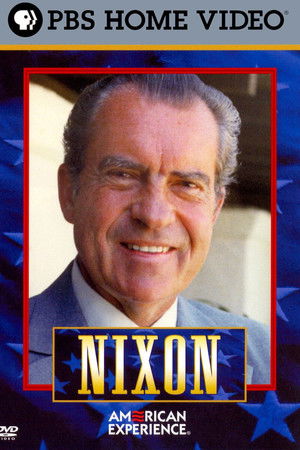
The enigmatic nature of the Nixon presidency combined comparatively progressive legislative initiatives with a flagrant abuse of presidential power and the public trust. His achievements in expanding peaceful relations with China and the Soviet Union stand in stark contrast with his continuation of the war in Vietnam. Finally brought down by scandal and duplicity, his administration did much to erode the citizenry's faith in government.
Looking at the birth of America's first intelligence units, set in motion in by President Lincoln himself in the early days of the war; exploring a spy who broke the boundaries of gender and race.
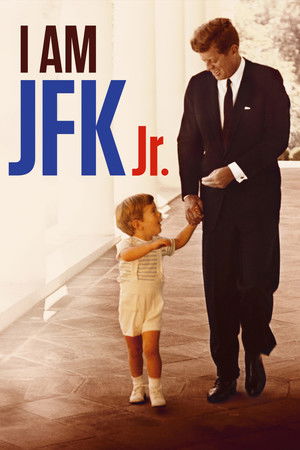
I Am JFK Jr. - A Tribute to a Good Man is an homage to America's fallen prince and the Kennedy legacy. It is the story of a young man destined for greatness, but determined to be good in a world filled with high expectations.
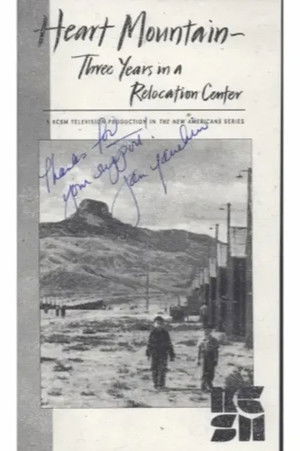
A documentary film about the internment of Japanese Americans at Heart Mountain, Wyoming during World War II. The program, hosted by Jan Yanehiro, proceeds in part as a series of interviews. It also includes archival film footage of Heart Mountain and Japanese Americans during World War II, as well as present day footage of the Heart Mountain landscape.
From Race Track to Assembly Center documents life for San Francisco Bay Area residents of Japanese ancestry incarcerated at the Tanforan Race Track in San Mateo County after being evicted from their homes during World War II.
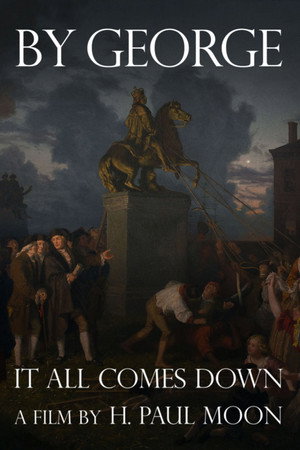
A one-hour documentary about our first real moment of declaring independence 250 years ago, when New Yorkers toppled the statue of King George III at Bowling Green after a first public reading of the freshly inked document on July 9, 1776. In this film, we consider the rise and fall of empires, the toppling of statues, and the removal of monuments to Confederates and slave holders in the afterlife of George Floyd. We follow historian Abby Suckle on her trail to finally find the missing head of King George III, telling the story of how it all happened, along with reflections from Ivan Schwartz whose Studio EIS in Brooklyn has spent a half century sculpting statues of legends from American history in all its complexity: from Presidential libraries, to a re-creation of King George's statue.
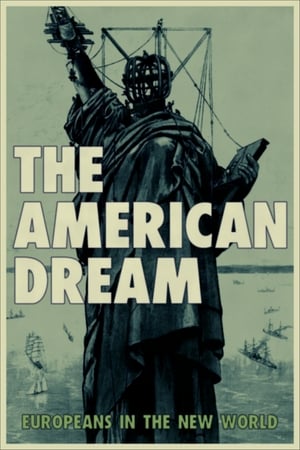
The history of Europeans in North America, from the arrival of Columbus in 1492 to the business success of German immigrants such as Heinz, Strauss or Friedrich Trumpf, Donald Trump's grandfather. During the 19th century, thirty million people — Germans, Irish, Scots, Russians, Hungarians, Italians and many others — left the old continent, fleeing poverty, racism or political repression, hoping to make a fortune and realize the American dream.
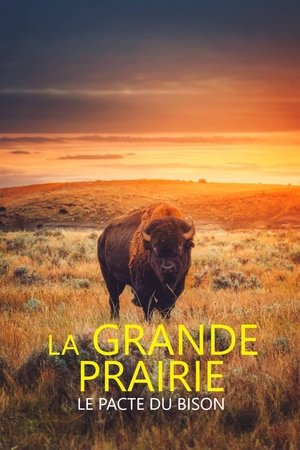
La grande prairie, le pacte du bison
The first major uprising against police brutality, harassment, and societal oppression was not at Stonewall in 1969, but at Compton's Cafeteria in San Francisco three years earlier. Those who stood up were trans women and gay men. Now, nearly 40 years on, Susan Stryker and Victor Silverman tell the story of this oft-overlooked event in the history of American civil rights.
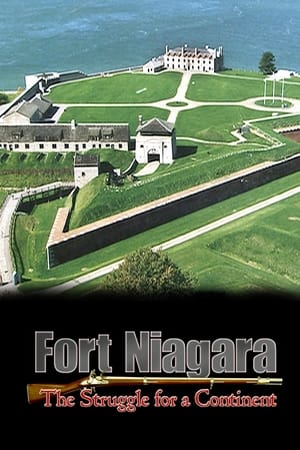
For over 150 years, Fort Niagara protected the strategic point at the mouth of the Niagara River. Four nations struggled to conquer it, and thus control that critical water artery.
The film "Lewis and Clark" chronicles the historic expedition led by Meriwether Lewis and William Clark, beginning with their departure from St. Louis to explore the newly acquired Louisiana Territory. The story details their journey up the Mississippi River, through encounters with various Native American tribes, including their significant winter stay with the Mandan people in North Dakota. Here, they meet Charbonneau and his Shoshone wife, Sacajawea, who plays a crucial role as a guide and interpreter. The film follows their challenging trek through the Rockies and down the Columbia River, highlighting their scientific discoveries, including observations of natural resources, plants, animals, and topography. The expedition’s struggles and achievements underscore the spirit of exploration, culminating in their successful reach to the Pacific Coast. The film portrays their legacy as pioneers in opening the American West.
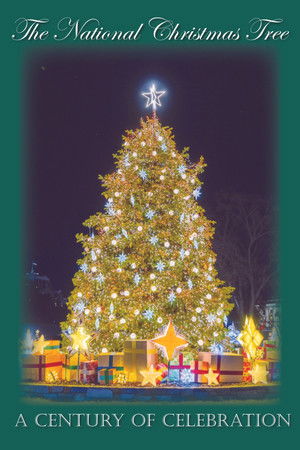
A Ken Burns-style documentary exploring the first 100 years of our National Christmas Tree. On Christmas Eve 1923, President Calvin Coolidge lit the first National Christmas Tree on the Ellipse, just south of the White House. We follow the tree through its first 100 years, where it served as a backdrop to many events in our nation's history. We meet the designers and learn their process of lighting our federal fir each year. Available to view here: https://odiesnoutproductions.vhx.tv/
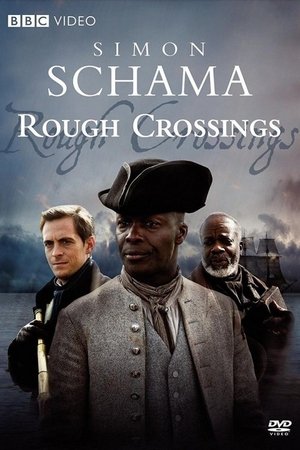
Simon Schama presents a drama-documentary that charts the extraordinary journey of the American slaves who fought for the British side in the American War of Independence and were then led by a young Englishman to Africa. There, they struggled to establish a colony in Sierra Leone, where they could be free.