"Giraffes: The Forgotten Giants" delves into the reasons behind the "silent" extinction of giraffes worldwide, and introduces us to the scientists who are gathering new information that may stave off their decline.
The film follows physician Dr. Hamza al-Khatib and nurse Um Ibrahim in al-Quds Hospital, by then the last operational one in besieged East Aleppo, through the lenses of photographer Abd Alkader Habak. Amidst the misery and death, they, with other main characters managed to find moments of love, fun and laughter. With them we live the time of despair but also that of hope. Until the moment comes where they were all forced to leave with no return, for now at least.
Berkay Özdinç turns the ghost hotel into a protagonist, which conduces to the meeting of his parents and is thus associated with his existence. In the film which goes over the places, while wandering in the current state of the hotel, he reawakens the memory of the place with his parents’ narration.
In this searing documentary, Indigenous people share heartbreaking stories that reveal the injustices inflicted by the Canadian child welfare system.
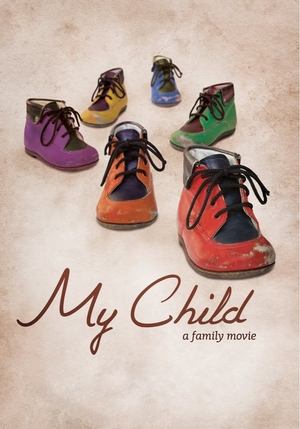
The brutal and often poignant story of a boy trapped in the body of a girl. It takes us on the journey of a typical Afrikaans child who faces self-hate, societal rejection, doubt and ultimately healing. A story about a transgender child fighting to find their place in the world.
A personal documentary about gay marriage in Brazil that focuses on the filmmaker Fábia Sartori Fuzeti, who opens the film by proposing to her partner Gabriela Torrezani. The movie follows their footsteps from that moment until their big day. At the same time, it explores the lives various gay and lesbian couples that got tied the knot since the Brazilian Supreme Court legalised gay marriage in June 2011.
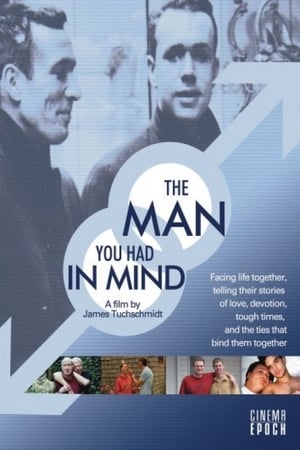
Love in a concentration camp. A young Jewish gay man, Otto, is protected by a "kapo" (a fellow prisoner) and an SS guard who unexpectedly ends up saving his life.
This documentary takes you on a brief walkthrough of the Vinegar Syndrome headquarters in Bridgeport, CT. Included with the "Lost Picture Show" box set.
In the midst of a pandemic, government arbitrariness and the precariousness of Brazilian artists, the documentary shows how these four rappers resisted the difficulties of this period using only one weapon... music. Using plurality, creativity and cleverness, how did they produce music? What role did music play in this period? What did they have to do to stay alive as rappers?
Dusty, a Baltimore motorcycle builder, finalizes his shovelhead chopper named Gloria.
Segismundo Morey has spent his last few years facing the challenges imposed by Andrade’s rare disease. This medical condition, which affects his nervous and muscular system, has left a deep mark on his daily life and that of those around him. Over the years, Segismundo has had to overcome physical and emotional obstacles, dealing with difficulties in walking and moving normally. However, despite the constant challenges, he has found comfort and strength in the unconditional love and support of his family. Together, they have faced the adversities of Andrade’s disease, forming an indestructible bond that has been key in their shared journey.
‘Chanel’ in Myeong-dong in the 1970s was the secret hideout for Butches and Femmes. In 1996, young lesbians opened Korea’s first lesbian bar, Lesbos. In the early 2000s, queer teens looking for a community gathered in a small park in Sinchon. Myung-woo, who ran ‘Lesbos’ nearby, was still guarding the place 20 years later. As the coronavirus crisis hit, the bar has lost its customers. Will she able to protect the place this time?
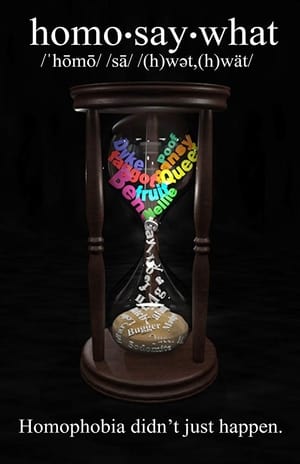
Fifty years on from the partial decriminalisation of homosexuality in the UK, this BBC Two documentary explores how safe it is to be gay in Britain today. With homophobic hate crime on the rise, this film takes a 360 degree look at the issue, hearing from the victims, their families and the police. What makes someone attack another person because of their sexuality? How do victims deal with these unsolicited and unprovoked assaults? And what are we doing about this in Britain in 2017?
Using poetry, interviews with psychologists and survivors, and corporeal imagery, Broca is an experimental documentary hybrid that explores how the mind-body connection is altered after trauma. The Broca’s Area in the brain is involved primarily in speech production. During a traumatic event or when trying to recall a traumatic event, this area shuts down. This makes it harder for a survivor to talk about what’s happened. Our project is an experimental documentary hybrid that offers a platform for survivors to tell their stories both verbally and non-verbally.
It was 24 hours with him. I saw him shake his ass with a friend. Scrubbing tile corners. Have egg salad for lunch. Buy cleaning products. Rehearse in the studio. Playing with children on the grass. In a huge theatre, review texts about scenes of decolonization. Smoke one, or two. Problematizing on the bus. Undressing on the couch in my house. Sleeping without fitting into the bed because you are too tall. I saw the sun bursting on your skin in the morning and said goodbye. I thought a standard session wouldn't encompass the complexity of an intimate recording. So I was his voyeur for 24 hours. Uninterrupted.
In 1974 a group of Mohawk Indians occupied a defunct girls camp in New York's Adirondack mountains and established a community they called Ganienkeh. Aiming to practice a more traditional lifestyle, and asserting aboriginal title to the land, they stayed for three years, having occasional violent clashes with the local residents. In 1977 they negotiated a (somewhat complicated) land swap with the State, and agreed to move to a permanent home near Plattsburgh, New York, where they remain today. Ganienkeh is one of the only examples of an indigenous people successfully reclaiming land from the United States, but it may not be the last.
Amidst the grand walls of the Forbidden City, the film takes us on a deep journey through the ceremonial life of the Chinese emperor, unveiling the secrets and intrigues of concubines, eunuchs, and palace maids. As the West begins to influence China in the late 19th century, the dynamics within the city shift dramatically. The film highlights the preservation and restoration of invaluable treasures and paintings, culminating in the creation of the Palace Museum. With insights from renowned China scholar, Jonathan Spence, this is an intimate exploration of the rich cultural and historical tapestry that makes up the heart of ancient China.
When an academic unearths a forgotten history, residents of the small township of Pukekohe, including kaumātua who have never told their personal stories before, confront its deep and dark racist past.
A&E Comprehensive biographies of five of the greatest classic stars of the horror genre. Features lots or archive footage from some the greatest horror films committed to celluloid.
Packed with drama, high emotions and cliff-hanger moments, Australia Says Yes is the intimate and personal history of struggle and perseverance that propelled Australia to say Yes to marriage equality. The film shows how a group of determined individuals fought tirelessly against unjust laws that treated LGBTIQ people as second-class citizens, creating a movement that saw them go from criminals to legally equal over the course of five decades.