Resistencia Cultural
In the 2000s, Vicente Viloni and La Masa became legendary wrestling rivals and idols for kids across the country. The hit television show "100% Lucha" brought a spectacle of skill and drama to every home, forging a famous rivalry that transcended the screen, leaving a mark on national culture. After the conflict that separated them for ten years, they face each other in the ring and relive great moments from their careers.
Ashes
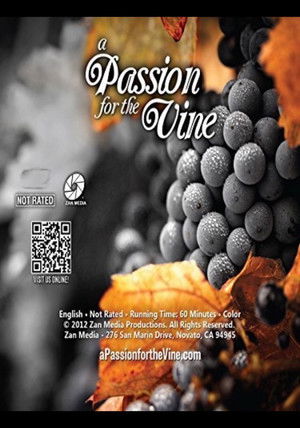
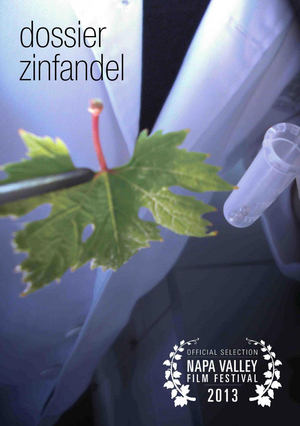
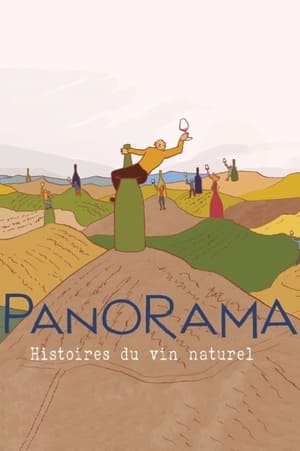
This documentary follows seven wine-making families in the Burgundy region of France, delving into the cultural and creative process of making wine. You'll never look at wine the same way again.
A documentary following the day life of fans in Brazil on July 13, 2014: the day when Germany and Argentina met up in the finals of FIFA World Cup.
Buenos Aires is a complex, chaotic city. It has European style and a Latin American heart. It has oscillated between dictatorship and democracy for over a century, and its citizens have faced brutal oppression and economic disaster. Throughout all this, successive generations of activists and artists have taken to the streets of this city to express themselves through art. This has given the walls a powerful and symbolic role: they have become the city’s voice. This tradition of expression in public space, of art and activism interweaving, has made the streets of Buenos Aires into a riot of colour and communication, giving the world a lesson in how to make resistance beautiful.
Documentary about the Football World Cup held in Argentina in 1978, focusing on the competition and behind the scenes of the most important soccer competition in the world. Two versions of the 1978 official film exist, the first "Copa 78 - O Poder do Futebol" was made by Brazilian directors Maurício Sherman and Victor di Mello in 1979 but was later withdrawn by FIFA because of its controversial content. The film includes an interview with Rodolfo Galimberti, one of the leaders of the Montoneros guerrilla group and also made accusations that the Argentinian competition organisation committee had deliberately hindered Brazilian chances of success by tampering with the pitch at Mar del Plata.
His teachers, coaches, childhood friends and Barça teammates, together with journalists, writers and prominent figures from the history of football, come together in a restaurant to analyze and pick apart Messi's personality both on and off the field, and to look back at some of the most significant moments in his life. Viewed from Álex de la Iglesia's unique perspective, Messi recreates the player's childhood and teenage years, from his very first steps, with a football always at his feet, through to the decision to leave Rosario for Barcelona, the separation from his family, and the role played in his career by individuals such as Ronaldinho, Rijkaard, Rexach and Guardiola.
Three characters, three stories of "heretics", three food producers who think in a different way to describe the transformation of our Country in what in “Langhe Doc” Giorgio Bocca calls the Italy of warehouses. We're in Langhe, a unique territory, universally recognized as one of the most beautiful places in Italy, fresh candidate for Unesco World Heritage but afflicted by uncontrolled economic development, urbanization, overbuilding, abandonment of the less profitable areas. Those of Maria Theresa, Silvio and Mauro are stories of people who have insight into a future they do not like and have chosen to refuse it. Their challenges are still open, they're not yet fully met and perhaps they never will: these heretics move in one direction, while the world moves in another, quite the opposite one.
The story of a group of friends, the "rebel boys" who made italian wine become so great, between generational conflicts, brilliant insights and never silenced controversies.
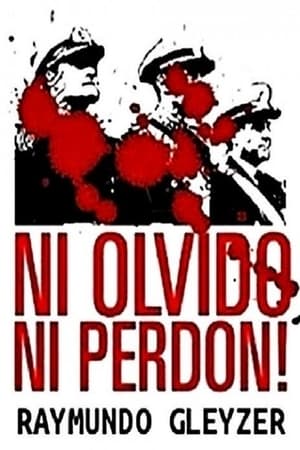
Images of Argentinian companies and factories in the first light of day, seen from the inside of a car, while the director reads out documents in voiceover that reveals the collusion of the same concerns in the military dictatorship’s terror.
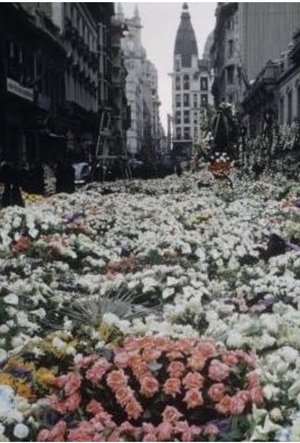
In this documentary about the exile of two famous French actors in Argentina during and after World War II, the director Cozarinsky returns to Argentina after many years in France and recalls places and events from his childhood, particularly the celebration of the liberation of Paris on in August of 1944, in Buenos Aires's Plaza Francia. Featuring testimony from various authors and acquaintances of Maria (Renee) Falconetti and Robert Le Vigan, the film explores their lives and final years in Argentina.
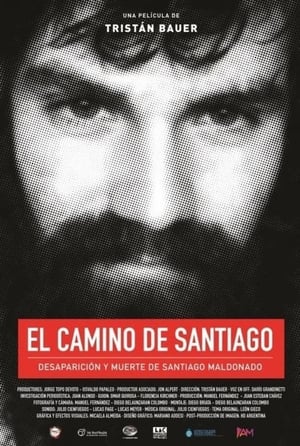
Santiago Maldonado disappeared in the midst of repression against a Mapuche community that claimed to Luciano Benetton for his land. His body was found 78 days later. The need for truth and justice continues
This documentary features extraordinary people whose passion for wine led them to create another career as a vintner, including: David Coverdale, lead singer of Whitesnake and Deep Purple Dick Vermeil, coach of the Philadelphia Eagles, St. Louis Rams, and Kansas City Chiefs Tamara Mowry-Housley, star of "Sister, Sister" and "Tia and Tamera" Bob the Steer, former slaughterhouse steer Jonathan Cain, songwriter and keyboardist of Journey Carmen Policy, president of the San Francisco 49ers- Just to name a few!
Para siempre
Cartoneras is a documentary that grapples with Latin America’s urban realities, and the cardboard publishing movement that has emerged from these in the 21st century. Reflecting on the different contexts that propelled this form of community publishing, like Argentina’s 2001 economic crisis, the independent art scene, and the movements which formed around waste-pickers, the film’s narrative is developed through conversations with important actors from the cartonera world.
At the end of the last civil-military dictatorship, a camouflage operation took place in the Information Service, an office of the former Rosario Police Headquarters that operated as a clandestine detention center in the heart of the city. This architectural intervention, not recorded in the plans, obscures the survivors' accounts and hides the traces of crimes against humanity. Drawing on images, previously unpublished archives, and survivor testimonies, the documentary explores the scars of political repression and highlights the importance of preserving memorial spaces to ensure the transmission of fundamental events in our contemporary history.
How a once-in-a-generation Argentina team, led by Manu Ginobili, brought down the “Dream Team” and won gold at the 2004 Olympic Games.
DEBT is the story of a frantic pursuit: the search for the responsible for the televised cry of hunger of Barbara Flores, an eight-year-old Argentinean girl. Buenos Aires, Washington, the IMF, the World Bank and Davos; corruption and the international bureaucratic lack of interest.
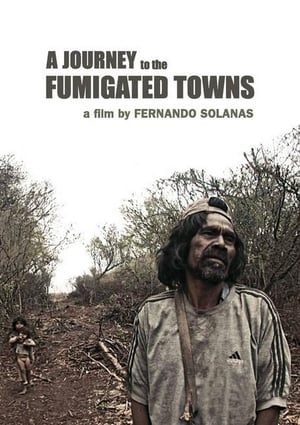
A Journey to the Fumigated Towns is the final episode made by Fernando Solanas in a series of 8 films dedicated to the Argentinian’s crisis in the 21st century. Based on testimonies, re-creations, archives and photos, this investigative documentary reveals not only the after-effects of the soya’s model and other GMO’s grain productions with agrochemicals, on the health of the Argentinian people, but also the global and environmental consequences.