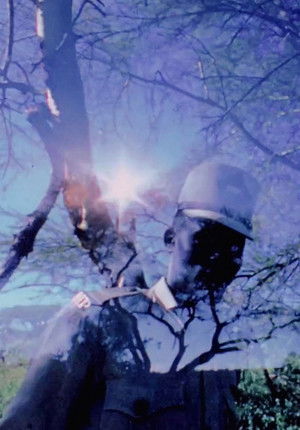
Moonchild is one of Fulton’s very earliest ethnographic projects. Filming in East Africa while on another production, he shoots with single frame bursts from his Bolex camera with an Angenieux 5.9 lens. He could shoot inconspicuously from the hip, an approach he learned from his father, filmmaker Robert Fulton Jr. In Moonchild, he shares his first impressions of Africa.
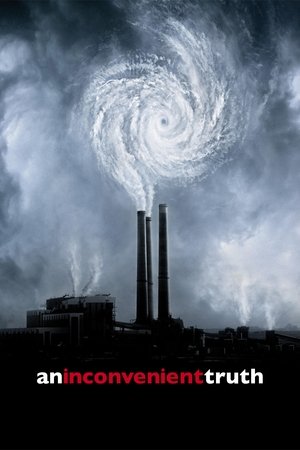
A documentary on Al Gore's campaign to make the issue of global warming a recognized problem worldwide.
A film about sustainability focusing on the outdoor industry.
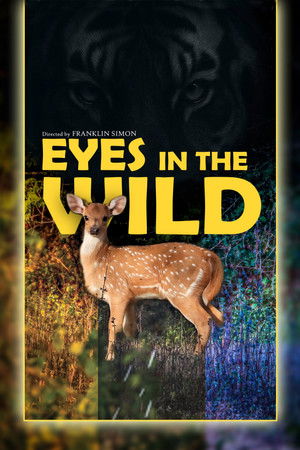
Wildlife Documentary
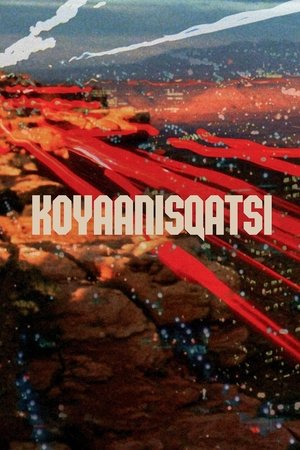
Takes us to locations all around the US and shows us the heavy toll that modern technology is having on humans and the earth. The visual tone poem contains neither dialogue nor a vocalized narration: its tone is set by the juxtaposition of images and the exceptional music by Philip Glass.
Zinal
Kluane National Park is situated in the Yukon area of northern Canada and is a research paradise for glaciologists, geologists and other scientists. Mountaineers come to scale the impressive heights. Animals are free to roam, protected by stringent legislation. This film reveals many facets of this beautiful park, which has been declared a protected zone by UNESCO.
As more and more of us use and replace electronic devices, manufacturers have failed to offer solutions for how to deal with the resulting waste. Much of it is exported to a toxic dump in Ghana, where scavengers do their best to salvage what they can.
Zagadka Heweliusza
In the cobalt mining areas of Katanga in the Democratic Republic of the Congo (DRC), babies are being born with horrific birth defects. Scientists and doctors are finding increasing evidence of environmental pollution from industrial mining which, they believe, may be the cause of a range of malformations from cleft palate to some so serious the baby is stillborn. More than 60% of the world’s reserves of cobalt are in the DRC and this mineral is essential for the production of electric car batteries, which may be the key to reducing carbon emissions and to slowing climate change. In The Cost of Cobalt we meet the doctors treating the children affected and the scientists who are measuring the pollution. Cobalt may be part of the global solution to climate change, but is it right that Congo’s next generation pay the price with their health? Many are hoping that the more the world understands their plight, the more pressure will be put on the industry here to clean up its act.
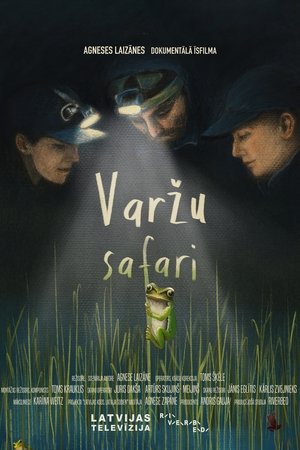
Over the past year, three young scientists have found unusual colored frogs in the wild in Latvia that are not typical for our region. A green frog with unusual orange and black coloring—seen for the first time—as well as a strange red frog. Scientists are trying to determine the cause – whether these are "natural errors" in a few specimens, or whether the entire frog population is affected – with environmental pollution being cited as one of the reasons. In a parallel story the scientists are conducting research on the restored tree frog population, observing the results of a project implemented in the 1990s – at that time, the extinct tree frog species was successfully restored and is once again found on the Kurzeme coast.
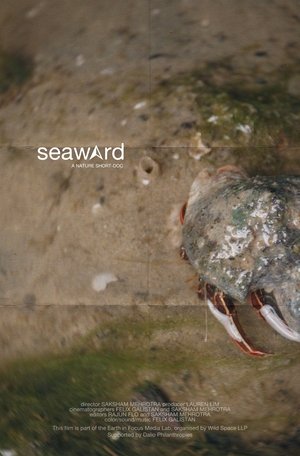
Singapore’s coastlines are always in flux - a delicate dance between the receding tides and the rising earthmovers. 'seaward' drifts through the peripheries of this very landscape, offering a quiet meditation on the life that endures at the edges of a changing island.
The film reveals Scotland's post-war history as seen through the lens of current debate, inviting audiences on a journey to revisit the promises of the past and consider how they relate to our future on this planet. Was climate change inevitable? Can we break free from a boom-and-bust mentality?
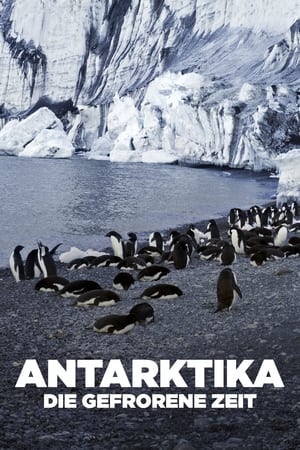
The bleakness of Antarctica is a fallacy. The ice continent is full of life and offers a biodiversity of which only about two percent are known. Much of it is under water and could determine the future of human beings. When the northern lights cover the ice landscape in summer, the animals in the Antarctic are in a paradisiacal state. Whales blow their fountains in the sky, penguins fly like small rockets into the water, seals dive for crabs under the glittering ice floes. From the bay of the Ross Sea to the ice shelf, from the huge penguin colonies to steaming volcanoes, a life in rhythm with the ice. But the consequences of climate change are slowly becoming apparent here too. While some species are dying, others are spreading. They could bring new viruses and bacteria with them, and new dangers for humans too. The structure of nature has gotten off course. How many generations will still be able to experience the magic of Antarctica?
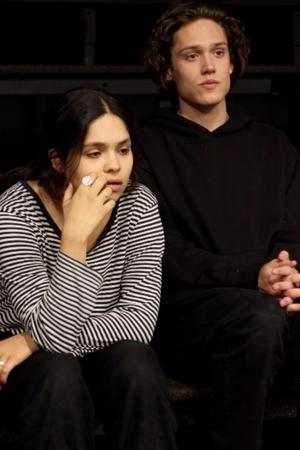
A Glimpse Through The Bennington Lens follows Will and Ana, two journalist theater students at Bennington, as they interview faculty and administration members to get to the bottom of some uncanny events
The Guelph Outdoor School challenges modern education by providing children the freedom to connect with the natural world and themselves.
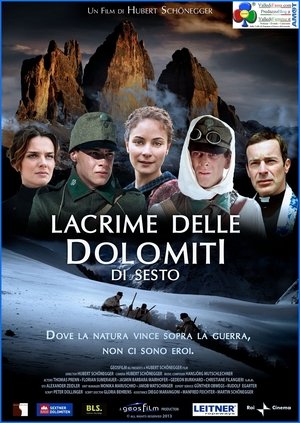
In 1915, the First World War is in full swing and young men are called to military service in rows - including Franz and Peter. Both are sent to the Dolomite front, in order to fend off a threatened Italian attack. Comradeship and loyalty are needed in the fight, but Franz and Peter are ever enemies. Since Peter's romance with Anna, the competition between the two flares up more. But the circumstances of the war and the harsh weather in the mountains soon end those hostilities.
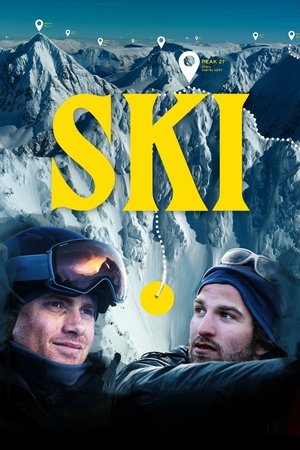
Nikolai and Vegard were childhood friends who spent their free time on the ski slopes. Now, Nikolai has become a professional skier, while Vegard lives in caves and trains obsessively to complete a perilous and physically demanding ski tour. This is a story about friendship and setting ambitious goals.
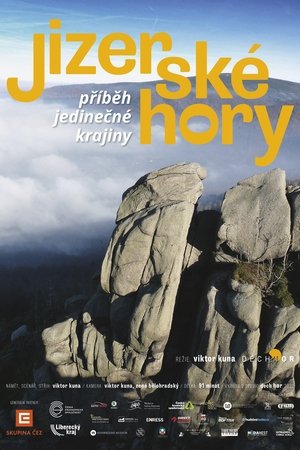
Jizerské hory – příběh jedinečné krajiny
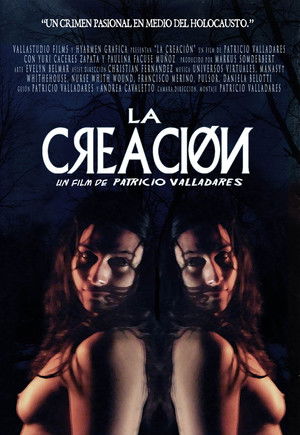
After a nuclear attack, a magician takes shelter in a forest with his assistant to complete his biggest magic trick to date, The Creation, a trick that requires that you do some of the most inhumane things known to man.