Handbook of Movie Theaters' History is a documentary about the history, the development in the present days and the future of movie theaters in the city of Turin, Italy. It mixes the documentary language with comedy and fiction, and is enriched by interviews to some of the most important voices of Turin cinematography. The film follows the evolution of movie theaters by enlightening its main milestones: the pre-cinema experiences in the late 19th Century, the colossals and the movie cathedrals of the silent era, the arthouse theaters, the National Museum of Cinema, the Torino Film Festival, the movie theaters system today and the main hypothesis about its future. The mission of Handbook of Movie Theaters' History is to explore and give back to the audience a deep reflection about the identity and the value of movie theater, in its social and anthropological role and as a mass media, and to analyze the experience of the viewer.
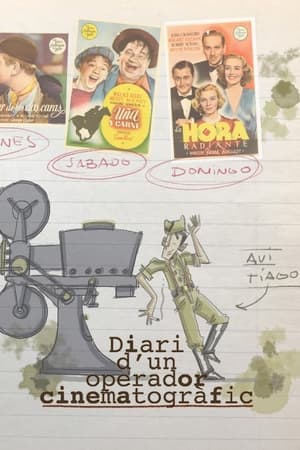
Aníbal Alencastro worked in different cinemas in Mato Grosso in the 1950s and 1960s. Now, he recalls stories related to the job of projectionist.
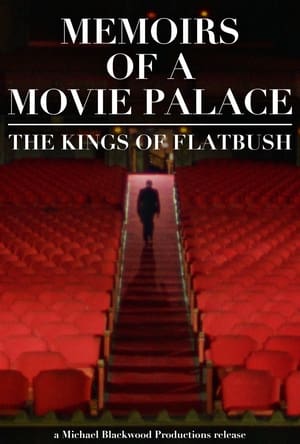
Guillermo del Toro, Rian Johnson and other film luminaries look back at LA's historic Egyptian Theatre as it returns to its former movie palace glory.
Film follows Haide and Toomas, husband and wife in life and in art Piip and Tuut through the hard work of the creation of their new clown show in the Botanical Garden of Tallinn, showing the intensity and poetry behind their craft and focusing on their collaboration on stage and in life.
From humble beginnings in a small slate roofed village in Greece to the heyday of America's movie palaces, the Latchis Family built an empire of theatres throughout New England in the hard-scrabble years of the Great Depression. Their story is told through historically accurate footage, photographs and music from the Latchis family, local historical societies and national archives.
Experimental research and dissemination documentary about current contemporary art that compiles the opinions, experiences and anecdotes of artists, gallery owners, curators, museum directors and experts.
A documentary that journeys through the history of Trick Roping as it evolves from Mexico to the dazzling arenas of American Rodeos. This film unveils a story of resilience, entertainment, and the enduring legacy of a western art.
A portrait of the great theatre actor Evgeniy Lebedev.
To celebrate its 50th anniversary, the National Theatre of Great Britain presents National Theatre: 50 Years on Stage, bringing together the best British actors for a unique evening of unforgettable performances, broadcast live from London to cinemas around the world.
A Bulgarian theater company struggles to adapt Herman Melville's epic "Moby Dick" for the stage, revealing the obsessive dedication and creative challenges faced by cast and crew in their quest to bring an unfilmable masterpiece to life.
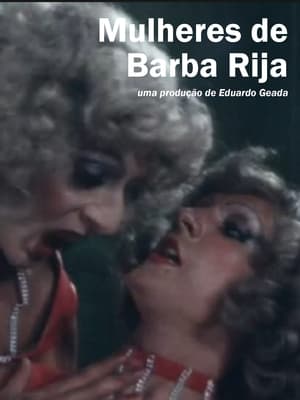
Mulheres de Barba Rija
The Blu-ray Experience II: Opera, Ballet & theatre
In the land of axé music, old punks resist and live independently.
In the excitement of the roaring 20s, a new kind of movie palace was constructed by the Bay. More than 90 years later, Tampa Theatre has become known as one of the most haunted buildings in the city, This Documentary uncovers the rich history and explores the unexplained events with a Team of Historians, Ghost Hunters and Staff.
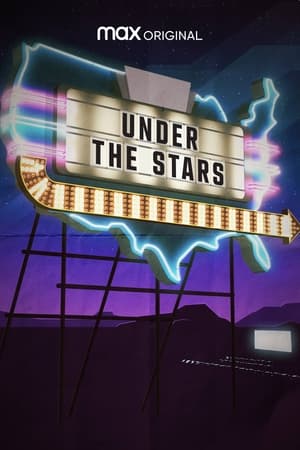
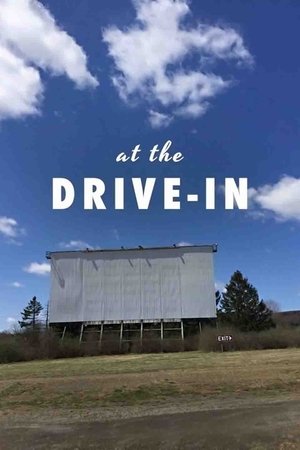
Paying tribute to some of America's only surviving drive-ins – and those who keep them running – this heartfelt documentary captures efforts to preserve these nostalgic theaters in small-towns across the country.
Člověk si sám se sebou vystačí, respektive nevystačí
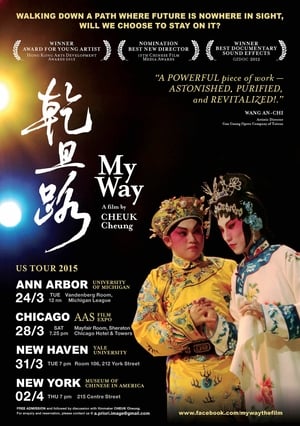
When facing a path with no future or precedent success, will we ever choose to stay? Cheuk Cheung’s My Way explores the Cantonese Opera tradition of male Dan performers, men who play female roles, against the backdrop of a Hong Kong society increasingly putting less value on art. Although female performers have long been part of the mainstream of Cantonese Opera, the film follows the stories of two young men who are still fascinated by the art of the male Dan, striving to find their own way to carry on the practice. A moving and searching look at the struggle for identity, My Way is a colourful, musical and moving film which offers a unique and highly personal look at perseverance in the face of a changing society.
The first part of the film shows an actuality street scene of traffic in the Strand. Behind the traffic we can see the entrance to the Gaiety Theatre on the Strand, advertising its latest show 'My Girl'. The second part is a different film altogether, spliced onto the first and is R W Paul’s Turn Out of a Fire Brigade filmed in November 1896 in Newcastle at the Westgate Road fire station. The film date is 1896.
Documentary without audio produced by deaf people. Music is depicted visually with the complete absence of musical instruments or voices. Directed by Makihara Eri and choreographer Dakei. With a diverse lineup including ordinary deaf people with zero acting experience and a choreographer who performs in Japan and abroad, this film pulls out all the tops to give visual expression to music through the physical body. An aging man uses multiple sign language poems to convey the four seasons, and a girl expresses the wind amidst the rustling trees.
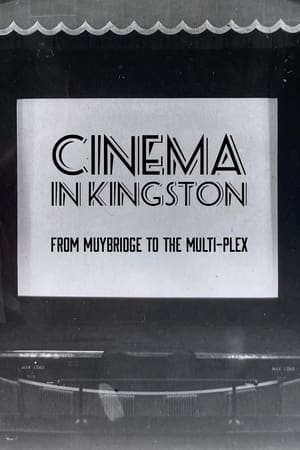
An oral history exploring the development of film projection and cinema in Kingston-on-Thames - from resident innovator Eadweard Muybridge through the heyday, decline, and re-emergence of cinema. Features interviews with historians, projectionists and usherettes as well as cinema-goers with rare footage and images from Kingston’s cinemas.