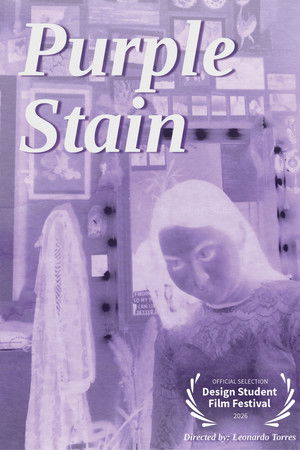
The film follows an architecture graduate as she reflects on the meaning of home and the labor of making home. Architecture is framed beyond the physical built object: as a second skin that stretches and reconfigures itself as she, too, stretches to be in a new place. The film moves through themes of migration, womanhood, and what it means to be an architect without building, still making architecture constantly, just through different forms.
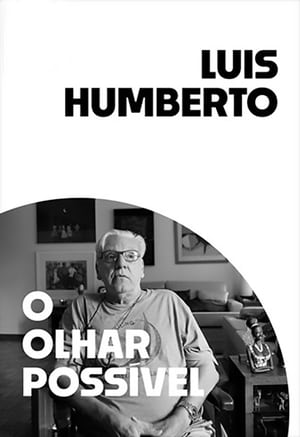
A poetic and intimate look at the life and work of photographer Luis Humberto.
St. Ives and the painters based in the town, and the surrounding areas, are showcased in this fascinating documentary.
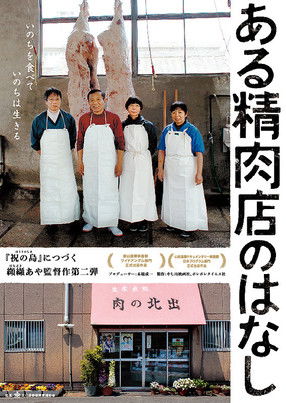
The Kitades run a butcher shop in Kaizuka City outside Osaka, raising and slaughtering cattle to sell the meat in their store. The seventh generation of their family's business, they are descendants of the buraku people, a social minority held over from the caste system abolished in the 19th century that is still subject to discrimination. As the Kitades are forced to make the difficult decision to shut down their slaughterhouse, the question posed by the film is whether doing this will also result in the deconstruction of the prejudices imposed on them. Though primarily documenting the process of their work with meticulous detail, Aya Hanabusa also touches on the Kitades' participation in the buraku liberation movement. Hanabusa's heartfelt portrait expands from the story of an old-fashioned family business competing with corporate supermarkets, toward a subtle and sophisticated critique of social exclusion and the persistence of ancient prejudices.
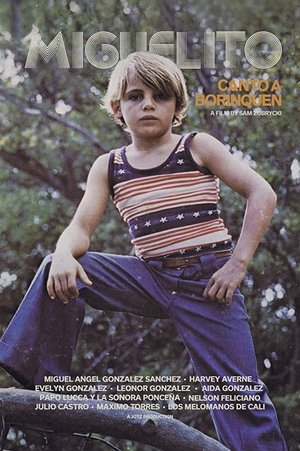
In 1973, eleven year old Miguelito was discovered singing in the San Juan airport by the legendary New York record producer Harvey Averne. Within the year, he went from the slums of Manuel A Perez, to recording an album with some of the finest salsa musicians of the time to finally performing with Eddie Palmieri at Madison Square Garden in front of 20,000 people. Throughout Latin America his songs ‘Payaso’ and ‘Canto a Borinquen’ had become cult hits. And then he simply disappeared...
Celina y Chichi
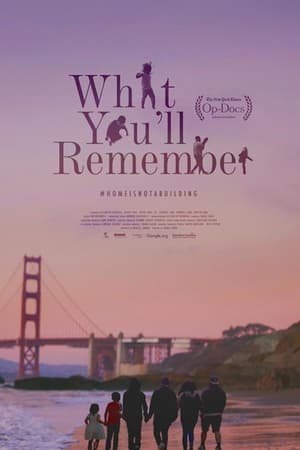
Homelessness in the United States takes many forms. For Elizabeth Herrera, David Lima and their four children, housing instability has meant moving between unsafe apartments, motels, relatives’ couches, shelters, the streets and their car. After 15 years of this uncertainty, the family moved into their first stable housing — an apartment in the San Francisco Bay Area — in the midst of the coronavirus pandemic.
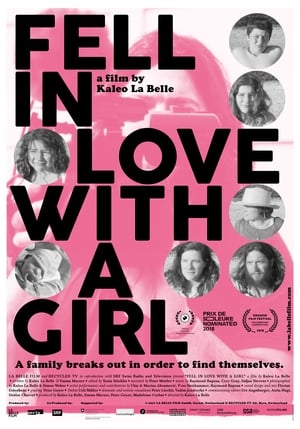
A film about longstanding relationships, family, and the deep consequences of falling in love. While exploring themes of love in music, poetry and art, the filmmaker reflects on his life and the journeys on which love has taken him. Now, a new journey will test him again, an intercontinental exodus to keep his family together. A real and intimate portrait about the complexity of love.
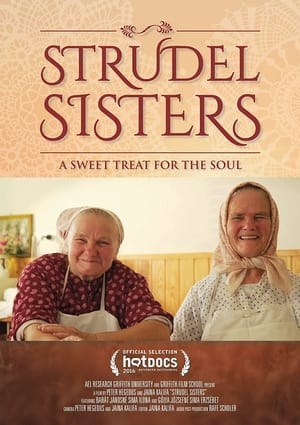
Two elderly sisters share the delicate art of making traditional Hungarian strudel and reveal a deeply personal family story about their mother, who taught them everything they know.
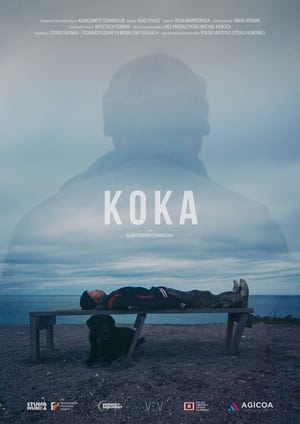
Somewhere on the coast of the Bering Sea, a father and son make a living fishing in a community that seems almost outside of time. Aliaksandr Tsymbaliuk’s camera takes us in close to the subjects, recording both the harshness of their condition and the rigour of education, softened by paternal love and the universal insouciance of childhood.
Une Place pour Eux ? Vieillir avec la Trisomie 21
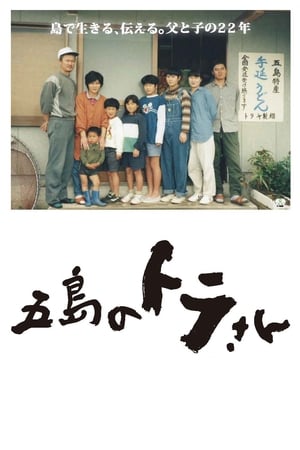
This documentary film follows for 22 years a nine-member family involved in the manufacturing of Udon in the Goto Islands, Nagasaki prefecture. Mr. Toru Inuzuka called by nickname "Tora-san" is making famous 'Goto Udon' and natural salt on the island on which the depopulation is progressing. Seven children get up at 5 o'clock every morning, helping to make udon, and go to school. Children's help is recorded on the time card, and it is pocket money for children. The film talks about children's growth, marriage, childbirth, homecoming, and parting. The 22 years of familiarity of the family is drawn.
Robert van Gulik (1910–1967) served as a diplomat, collected Chinese lutes and invented Judge Dee, yet his own country barely remembers him. Rob Rombout travels from the Netherlands to Indonesia, Japan, the United States and China, through diaries, archives and the people van Gulik still haunts. Somewhere between biography and detective story, the man and his hero merge.
For the Frigons, hunting is a family affair that forges and solidifies the bonds between generations. For many autumns, Louis-Henri has been tracking moose alongside Sasha, his grandson. On the other hand, at the dawn of his 81st birthday, old age reminds him that his career as a hunter is behind him. This year, Louis-Henri will not go hunting and Sasha will go without him for the first time. Goodbye, Hunter offers an intimate look at the moment of the passing of a long family tradition.
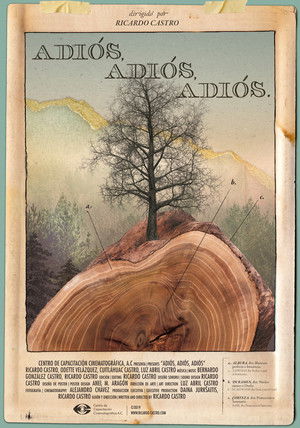
Ricardo Castro narrates the adventures of his eccentric childhood and the utopian dream that his family of 17 lived in a forest transformed into their home, in the outskirts of Mexico City. After years of building the perfect microcosm, a tragedy shatters their utopia, leaving a void in the family that seems irreparable. Ricardo flees to a secluded cabin near a dam, where he griefs in a turbulent and also magical way.
A "Chinese" father reflects on the changing relationship of China and US during his trip to Beijing to retrieve his 3-year-old "American" daughter who has been stranded because of the recent "decoupling" of the two countries. Born in China and living in the American Midwest, filmmaker Yinan Wang attempts to unpack his own experience of how a transnational migrant family deals with the distress caused by identity, nationalism, and geopolitics.
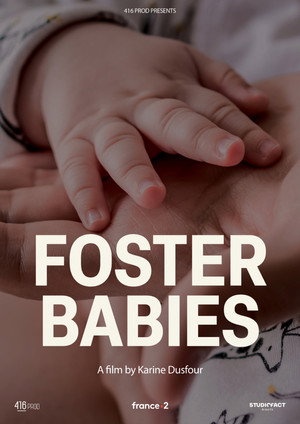
Bébés placés, la vie devant eux
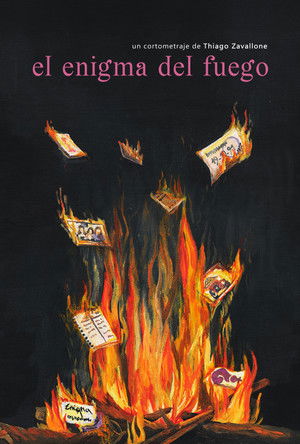
Andrea shares her memories of her years working at the gay nightclub Enigma. Among memorabilia and photographs emerges Miriam, with whom she forged an intense and forbidden romance interrupted by cancer. Thirty years after Miriam’s passing, Andrea seeks closure to that chapter of her life.
The countryside around the Po delta is dotted with abandoned houses and farmhouses. The landscape appears desertic, almost humanless. Some people shares stories about their bond with the land while the italian writer Gianni Celati documents the tragedy and the loss of values in this new landscape of desolation, with a superb narrative style.
We had a comfortable life until my father went bankrupt and I blamed him for our misfortune. Being 30 and still living with my parents, I do not speak with my father. It is my brother's wedding and I'm not attending his ceremony. I asked my friend to film the wedding and specially my father. This film is an occasion for me to revise my attitude toward every member of my family by talking to them.