The world’s biggest fish market is to make room for a highway during the Olympic Games 2020 in Tokyo. After more than 80 years in daily business, the relocation of over 14,000 dealers is a turning point. Especially for old-established dealers this step is not easy. Within four days, all dealers, souvenir and shoe shops, restaurants and service providers such as knife sharpeners are to be relocated to the new location on an artificial island. The closure of Tsukiji is a step towards modern digital real-time trading and we are the only foreign reporter with exclusive access to accompany this adventurous relocation.
A musical journey through Tokyo's Jazz Cafes.
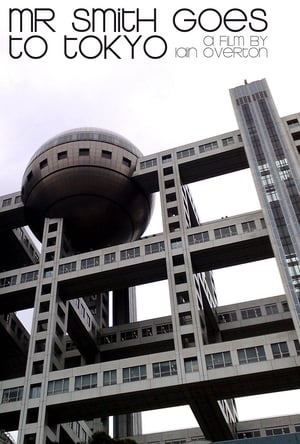
Three men embark on a journey in search of meaning and happiness in the autumn of their lives: Bob swaps his safe home for a camper van and tries to find himself in the barren Californian desert; Steve, drag queen and stand-up comedian, is fed up of England and makes amends with his past in Benidorm; Yamada rediscovers his smile by reading stories to children in Tokyo.
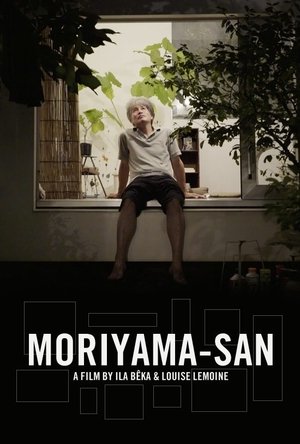
One week in the extraordinary-ordinary life of Mr. Moriyama, a Japanese art, architecture and music enlighted amateur who lives in one of the most famous contemporary Japanese architecture, the Moriyama house, built in Tokyo in 2005 by Pritzker-prize winner Ryue Nishizawa (SANAA). Introduced in the intimacy of this experimental microcosm which redefines completely the common sense of domestic life, Ila Bêka recounts in a very spontaneous and personal way the unique personality of the owner: a urban hermit living in a small archipelago of peace and contemplation in the heart of Tokyo. From noise music to experimental movies, the film let us enter into the ramification of the Mr. Moriyama's free spirit. Moriyama-San, the first film about noise music, acrobatic reading, silent movies, fireworks and Japanese architecture!
The film is set on September 1th, 1923 , when a huge earthquake hits Tokyo . The quake caused buildings to collapse, and the city was reduced to ashes by fire. The Great Kanto Earthquake killed more than 105,000 people. 100-year-old films recording this catastrophe have been found all over the country.But who filmed the turmoil of Tokyo, chased by raging fires?After investigating, I come across three cameramen. They turned the hand-cranked camera in a trance without being ordered by anyone.
It may be the largest and most densely populated city on Earth, but Tokyo’s 14 million human residents share their home with an astonishing array of wildlife. From jewel beetles and goshawks in the city’s shrines to the forests of Okutama where bears, monkeys and tanuki feast, this film reveals the power of nature in Japan’s capital.
Siblings Aru, age 3, and Kino, age 1, have 3 parents: father Fumino, who is transgender; mother Honoyo, Fumino's partner who gave birth to the children; and father Gon, a close gay friend who donated his sperm. The 3 are now raising their children together, struggling repeatedly to find their own way of being a family. This program covers their first 3 years of parenting. And it asks an important question: What does it take to be a family?
μ's Final LoveLive! μ'sic Forever♪♪♪♪♪♪♪♪♪ was the farewell concert of the fictional idol group μ's from Love Live! School Idol Project, celebrating their career with emotional performances and marking the end of their activities.
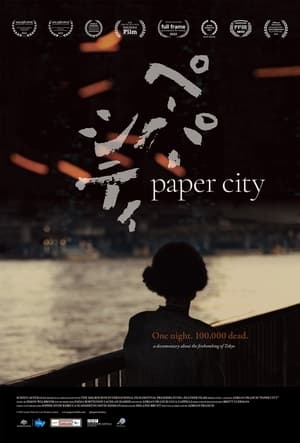
Just after midnight on 10 March 1945, the US launched an air-based attack on eastern Tokyo; continuing until morning, the raid left more than 100,000 people dead and a quarter of the city eradicated. Unlike their loved ones, Hiroshi Hoshino, Michiko Kiyooka and Minoru Tsukiyama managed to emerge from the bombings. Now in their twilight years, they wish for nothing more than recognition and reparations for those who, like them, had been indelibly harmed by the war – but the Japanese government and even their fellow citizens seem disinclined to acknowledge the past.
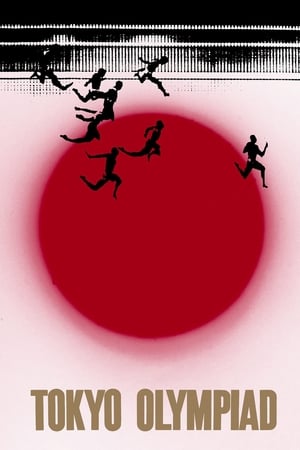
This impressionistic portrait of the 1964 Tokyo Summer Olympics pays as much attention to the crowds and workers as it does to the actual competitive events. Highlights include an epic pole-vaulting match between West Germany and America, and the final marathon race through Tokyo's streets. Two athletes are highlighted: Ethiopian marathon runner Abebe Bikila, who receives his second gold medal, and runner Ahamed Isa from Chad, representing a country younger than he is.
Intimately following 1st and 6th graders at a public elementary school in Tokyo, we observe kids learning the traits necessary to become part of Japanese society.
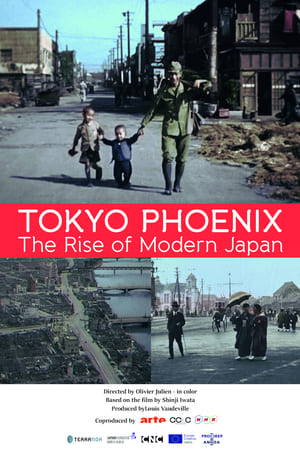
In 150 years, twice marked by total destruction —a terrible earthquake in 1923 and incendiary bombings in 1945— followed by a spectacular rebirth, Tokyo, the old city of Edo, has become the largest and most futuristic capital in the world in a transformation process fueled by the exceptional resilience of its inhabitants, and nourished by a unique phenomenon of cultural hybridization.
Pelican, a bakery located at Asakusa, Tokyo, becomes crowded every morning. There are only two types of bread sold. It looks ordinary but meet a bakery that has been loved for 74 years with a taste you won't get tired of even if you eat it everyday!
World War II comes to an end. Tokyo is a destroyed place, without law, driven by hunger and greed. From over 100,000 pages of declassified CIA documents and hours of newly discovered footage, recorded by American occupation charges and private individuals, the documentary shows Tokyo during this crucial year, Year Zero. Observed from the point of view of a young man who finds himself transported in time, the NHK documentary uses color images and state-of-the-art video techniques to reveal how a desperate population is published as the foundations of today's megalopolis.
20 minute music documentary shot in two days of November 1984 in, and around the outskirts of, Tokyo, Japan. A large part of the music was completed during that same month and recorded over a period of three days.
What is anime? Through deep-dives with notable masterminds of this electrifying genre, this fast-paced documentary seeks to find the answers.
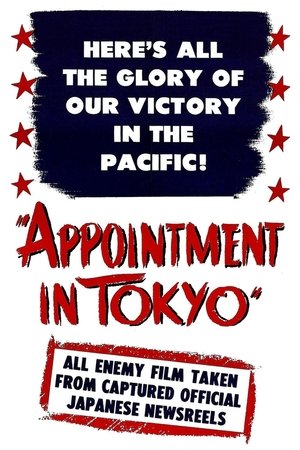
Produced by the Army Pictorial Service, Signal Corps, with the cooperation of the Army Air Forces and the United States Navy, and released by Warner Bros. for the War Activities Committee shortly after the surrender of Japan. Follow General Douglas MacArthur and his men from their exile from the Philippines in early 1942, through the signing of the instrument of surrender on the USS Missouri on September 1, 1945. Preserved by the Academy Film Archive in 2013.
An intimate portrait of Victoria Chorale — a Singaporean, alumni community choir led by Nelson Kwei, as he prepares them for a return to the international competition stage in Tokyo for the first time in 18 years. And possibly also their last ever. CODA is an observation of the relationship between the music and its Singaporean makers.
Revered sushi chef Jiro Ono strives for perfection in his work, while his eldest son, Yoshikazu, has trouble living up to his father's legacy.
Tokyo work culture's most compelling and complex protagonist; the Salaryman. A nameless, voiceless, over-worked and under-valued cog in the labour pool, expected to compromise home and social lives. Late nights and intense drinking sessions leave many of them passed out in the city streets. This slick, incisive documentary raises questions around the ethics of our global working practices in a capitalist society.