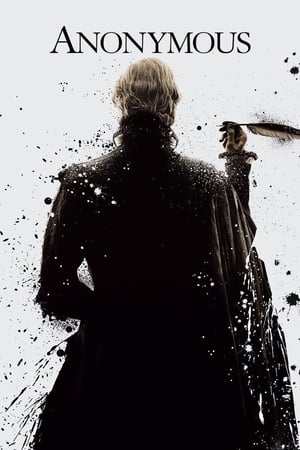
Set against the backdrop of the succession of Queen Elizabeth I, and the Essex Rebellion against her, the story advances the theory that it was in fact Edward De Vere, Earl of Oxford who penned Shakespeare's plays.
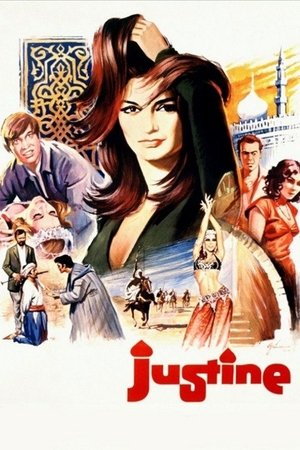
In Alexandria, in 1938, Darley, a young British schoolmaster and poet, makes friends through Pursewarden, the British consular officer, with Justine, the beautiful and mysterious wife of a Coptic banker. He observes the affairs of her heart and incidentally discovers that she is involved in a plot against the British, meant to arm the Jewish underground in Palestine. The plot finally fails, Justine is sent to jail and Darley decides to return to England.
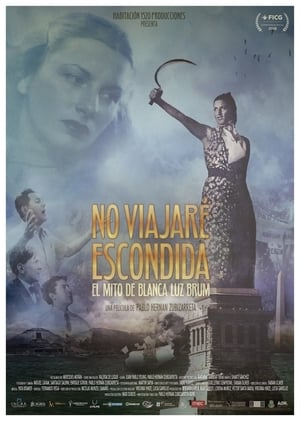
Blanca Luz Brum traveled an unusual path, through twentieth-century Latin America, actively participating in the intellectual, political and artistic movements of Uruguay, Chile, Argentina, Peru and Mexico. It is today a symbol of female emancipation in Latin America. The versions about her life are varied and dissimilar, the testimonies of those who knew her, full of contradictions.
A man becomes part of a secret society of people who live in a department store and quickly falls in love with their leader’s young maid.
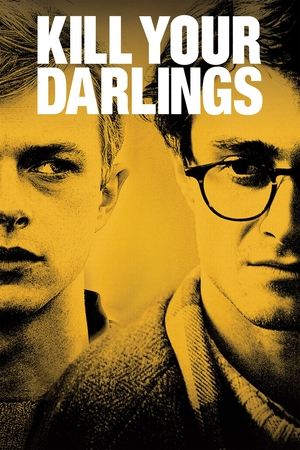
A murder in 1944 draws together the great poets of the beat generation: Allen Ginsberg, Jack Kerouac and William Burroughs.
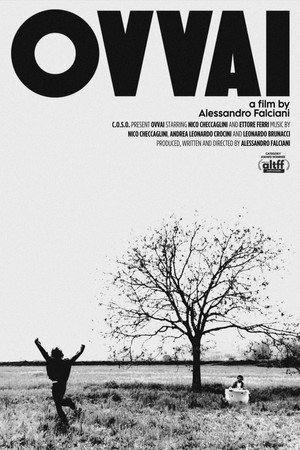
What does a bankrupt poet with no desire to live have to say about life?
The film tells about the flight of the poetic mind, which can satiate the poet and throw him from the sky to the bitter reality.

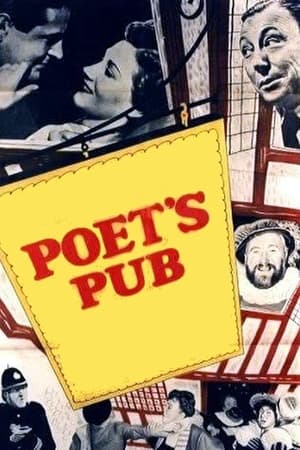
A loosely structured comedy allowing for a series of vignettes based around an ancient coaching inn. The story was adapted from the 1929 novel by Scottish writer Erik Linklater.
Weltende
When the superintendent of the Canadian insane asylum, Dr. Maurice Bucke, meets poet Walt Whitman, his life and that of his wife and patients is radically changed. Like Dr. Bucke, Whitman has avant-garde ideas on the subject of mental illness. "Dreamers" is based on true events. Dr. Bucke became an important biographer of Walt Whitman.
A troubled Southern man talks to his suicidal sister's psychiatrist about their family history and falls in love with her (and New York City) in the process.
The young Friedrich Schiller begins his life as a poet with a dramatic escape. After the sensational success of his first drama "The Robbers", he deserts from the Duke's army. At the Mannheim Court and National Theatre, he initially receives a friendly reception, but his new play "Fiesko" is not well received by the artistic director Dalberg. In the successful actor and author August Wilhelm Iffland, Schiller finds a strong competitor for the position of in-house playwright and vies with him for the love of the same woman. The young poet's situation becomes increasingly precarious; he has no money, suffers from hunger and falls seriously ill. Nevertheless, he works feverishly for recognition and success with no regard for his own health.
Simple Italian postman learns to love poetry while delivering mail to a famous poet; he uses this to woo local beauty Beatrice.
Downtrodden writer Henry and distressed goddess Wanda aren't exactly husband and wife: they're wedded to their bar stools. But, they like each other's company—and Barfly captures their giddy, gin-soaked attempts to make a go of life on the skids.
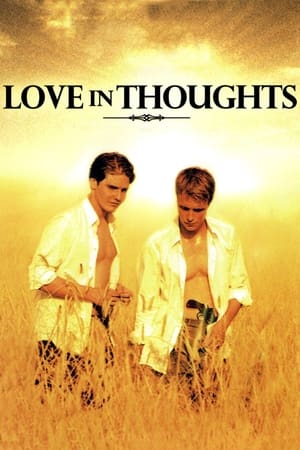
Trapped in routine, a Jeju poet finds himself drawn to a boy—and to emotions he’s never dared name.
The story of John Wilmot, a.k.a. the Earl of Rochester, a 17th century poet who famously drank and debauched his way to an early grave, only to earn posthumous critical acclaim for his life's work.
While visiting her sister in Paris, a young woman finds romance and learns her brother-in-law is a philanderer.
The documentary is titled after Arkadaş Z. Özger’s poem “Hello My Dear” which had caused much controversy in the period it was first published. Considered to be in defiance of heteronormativity, the said poem includes references to the poet’s personality, his family, his relationship to the society, and his “unexpected” death, which came three years after its publication. Today, 50 years after it was written, the documentary follows these same lines in the poem utilising cinematic elements. The documentary also rediscovers the poetics; reaches out to the family, the comrades, the friendships, departing from the official historical accounts, cognizant of his experience of otherness, in pursuit of the “lost” portrait of Arkadaş Z. Özger.
An aspiring poet in 1950s New York has his ordered world shaken when he embarks on a week-long retreat to save his hell raising hero, Dylan Thomas.
In the desolate countryside, haunted by recurrent dreams, a young drifter finds himself at the borderlands between the living and the dead.