AIDS, Inc. is a film about the multi-billion dollar AIDS industry, and how it profits from continuing fears and misconceptions about the disease.
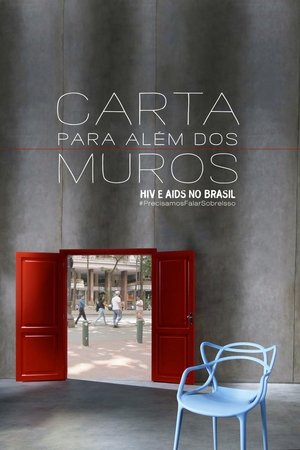
Letter Beyond the Walls reconstructs the trajectory of HIV and AIDS with a focus on Brazil, through interviews with doctors, activists, patients and other actors, in addition to extensive archival material. From the initial panic to awareness campaigns, passing through the stigma imposed on people living with HIV, the documentary shows how society faced this epidemic in its deadliest phase over more than two decades. With this historical approach as its base, the film looks at the way HIV is viewed in today's society, revealing a picture of persistent misinformation and prejudice, which especially affects Brazil’s most historically vulnerable populations.
In 1992, at the height of the AIDS pandemic, activist Terence Alan Smith made a historic bid for president of the United States as his drag queen persona Joan Jett Blakk. Today, Smith reflects back on his seminal civil rights campaign and its place in American history.
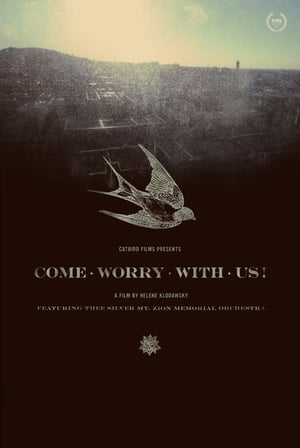
Acclaimed Montreal band Thee Silver Mt. Zion Memorial Orchestra is one of a growing number of rock groups to have accepted an infant into their touring tribe. Touring with children is both costly and complicated, yet SMZ are determined to combine family life and being on the road with the band's deep political commitment.
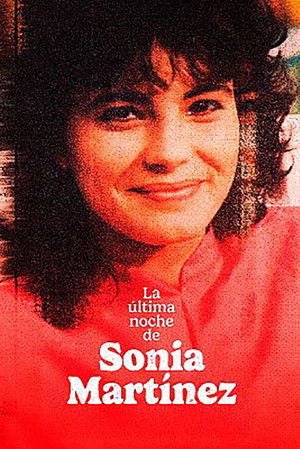
In France, a child is killed by its mother every ten days. By giving a voice to some of these women and their families, this documentary takes a fresh look at a phenomenon that is still taboo.
HIV-positive bodies stage a reverse-arranging of flowers, stitched together with personal accounts of living with stigmatised illness.
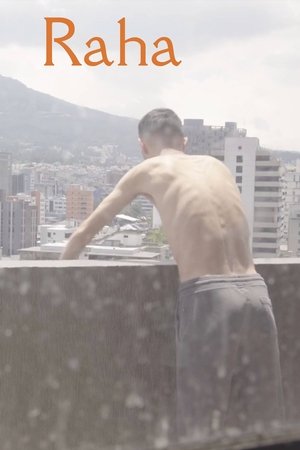
A portrait of a queer HIV+ Iranian refugee in Quito.
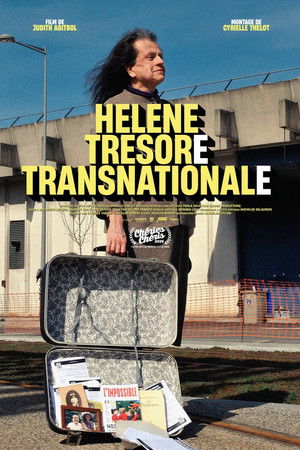
A revolutionary trans HIV+ sex worker manifesto.
An artist leads his Infection Procession to the water.
Archivos VIH/sida: historias y voces de una pandemia
Voices of Positive Women is a ground-breaking documentary examination of the impact of HIV and AIDS on the lives of women working from material published in the book "Positive Women", a collection of personal accounts of women from all over the world living with AIDS and HIV. Bravely sharing their experiences publicly in what until now has been a void of information and support, and in some cases medical and bureaucratic denial that women are even at risk, the nine women presented in Voices of Positive Women speak compellingly on their own terms of their personal struggles for survival and voice.
William Hart McNichols is a world renowned artist, heralded by Time magazine as "among the most famous creators of Christian iconic images in the world". As a young Catholic priest from 1983-1990 he was immersed in a life-altering journey working as a chaplain at St. Vincent's AIDS hospice in New York city. It was during this time that he became an early pioneer for LGBT rights within the Catholic church. "The Boy Who Found Gold" is a cinematic journey into the art and spirit of William Hart McNichols. The film follows his colorful life as he crosses paths with presidents, popes, martyrs, and parishioners, finding an insightful lesson with each encounter. McNichols' message as a priest, artist and man speaks to the most powerful element of the human spirit: Mercy.
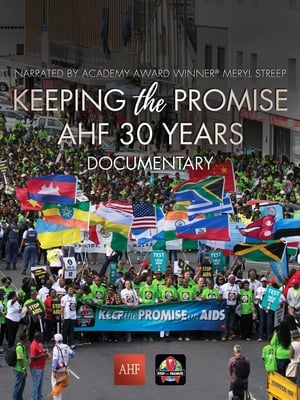
Through interviews with key AIDS Healthcare Foundation (AHF) stakeholders from over the years coupled with archival video footage culled from AHF's 30 years of advocacy, care and activism, 'Keeping the Promise' tells a compelling story of AHF's history while offering a glimpse of, and road map to its future.
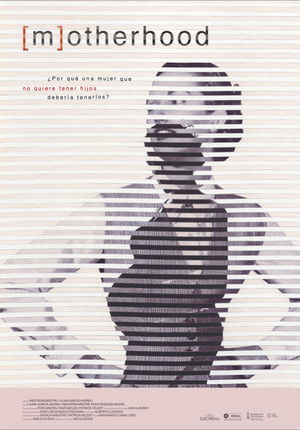
[m]otherhood will make us stop asking women without children why they don’t want to be mothers, because it gives us all the answers. These types of inquiries can become very annoying after a while; at times, the only way to get out gracefully is by smiling and not saying a word. This documentary brings together several women who’ve decided to sound off on the subject, and whose reasons –hard-hitting and solid– knock the concept of contemporary motherhood as an “ideal” off its pedestal.
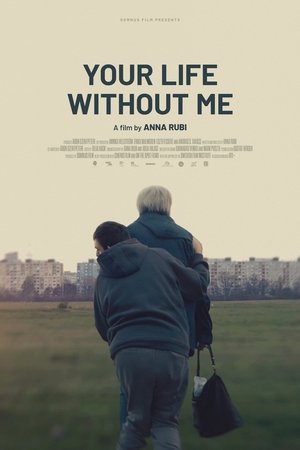
Magdi, a strong-willed, but lonely caregiver faces a daunting reality as she grows older: If she were to pass away, her disabled adult son, Feri would be left to the inhumane conditions of the Hungarian state care system, and would quickly follow her. Determined to secure a future for Feri, Magdi unites with a group of mothers who are in the same situation and they take legal action against the state. “Your Life Without Me” is a story of the strength and sacrifices of these women who find their own voice through the common fight and their community.
Marie-Hélène, my mother, is retiring and takes with her her memories, her anxieties and the mental burden of having raised three children while working full time. As she works her last shift as a home nurse, her thoughts jostle and harmonize in a whirlwind similar to a panic attack.
This follow-up to the 1989 documentary ONE YEAR IN A LIFE OF CRIME revisits three of the original subjects in New Jersey during a five-year period in the 1990s. We share in their triumphs and setbacks as they navigate lives of poverty, drug abuse, AIDS, and petty crime.
After a health crisis concerning her womb, a filmmaker contemplates her decision to not have children.
Love Alone Can’t Make a Child chronicles the love story and emotional odyssey of Maria and Christiane who, for over a decade, have been trying to fulfil their desire of giving birth to a child of their own. The director, a childhood friend of Maria, lovingly narrates the couple's journey, showcasing their resilience in the face of ever-increasing challenges, and the intricate dynamics of a relationship under tremendous strain. More than anything else, the film continually pursues what love truly means in a long-term romantic relationship.
Using home videos recorded by her voice coach, Diana takes us through the story of her life.