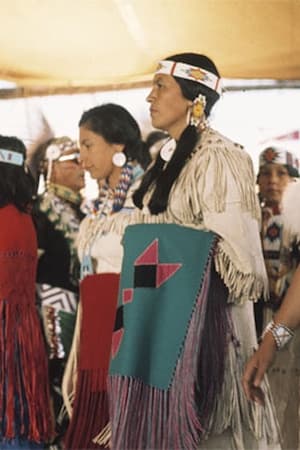
In 1977, Prince Charles was inducted as honorary chief of the Blood Indians on their reserve in southwestern Alberta. The ceremony, conducted in the great Circle of the Sun Dance, commemorated the centennial anniversary of the original signing of Treaty 7 by Queen Victoria.
Flora Bear’s youngest granddaughter searches for truth and answers about her Indigenous grandmother’s life.
From the remote Australian desert to the opulence of Buckingham Palace - Namatjira Project is the iconic story of the Namatjira family, tracing their quest for justice.
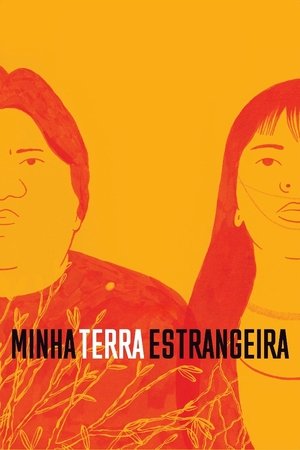
In 1995, the Chilean state made a grave mistake when it detained Marcelina (68), an Indigenous spiritual authority, a machi of the Mapuche people. The police stripped her of her jewelry and traditional clothing and sent her to a men’s prison despite her identifying as a woman. She was unjustly accused of murdering a patient through witchcraft, triggering feelings that led her to leave her community, even after her innocence was proven. Thirty years later, Cons (34) delves into her story—into a world foreign to her—confronting lessons and prejudices she had never known.
María is an Amorúa girl; an indigenous group that traveled the savannas of Orinoquía as nomads. She lives with her grandmother Matilde, her sister diana and her cousins in Puerto Carreño, in the Colombia-Venezuela border. The amorúa are considered wild and are not literate. Matilde wants her granddaughters to learn to write and read to live better in this town of "rational whites" as they call us. The director follows María's life for 8 years from her childhood to her adolescence and invites her to travel the places her grandma did as a nomad.
In this short documentary, a Musqueam elder rediscovers his Native language and traditions in the city of Vancouver, in the vicinity of which the Musqueam people have lived for thousands of years. Writing the Land captures the ever-changing nature of a modern city - the glass and steel towers cut against the sky, grass, trees and a sudden flash of birds in flight and the enduring power of language to shape perception and create memory.
For millennia, Native Americans successfully stewarded and shaped their landscapes, but centuries of colonization have disrupted their ability to maintain their traditional land management practices. From deserts, coastlines, forests, mountains, and prairies, Native communities across the US are restoring their ancient relationships with the land. As the climate crisis escalates these time-tested practices of North America's original inhabitants are becoming increasingly essential in a rapidly changing world.
Since colonial times, the indigenous people of the Andean mountains have ascended to peaks that reach 5,200 meters above sea level. There, they crush gigantic blocks of ice that carry on their backs to sell them later in the fairs of Riobamba and Guaranda. The film shows the living conditions of the communities that live from this activity.
Follow filmmaker Elle-Máijá Tailfeathers as she creates an intimate portrait of her community and the impacts of the substance use and overdose epidemic. Witness the change brought by community members with substance-use disorder, first responders and medical professionals as they strive for harm reduction in the Kainai First Nation.
This short documentary depicts the formation in 1959 of the first successful co-operative in an Inuit community in Northern Québec. The film describes how, with other Inuit of the George River community, the Annanacks formed a joint venture that included a sawmill, a fish-freezing plant and a small boat-building industry.
A documentary on the massacre of Planas in the Colombian east plains in 1970. An Indigenous community formed a cooperative to defend their rights from settlers and colonists, but the government organized a military operation to protect the latter and foreign companies.
A lyrical film ode to the odehimin or heart berry. A two-spirit Anishnaabe person finds themself in a dark place with their body. They undertake a healing journey, stating aloud their intentions and reconnecting with the land and the water for strength. As they get more in touch with their body and the beings around them, we begin to see them heal.
Filmmaker Kevin McMahon accompanies the Haida delegation on a repatriation trip to Chicago in 2003. His film reveals the whole repatriation process through the stories and experiences of the people who participated, both Museum staff and the Haida people.
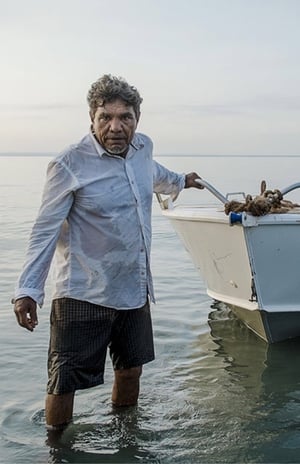
As a sea nomad, Hook grew up with the ocean as his universe. Now he must make a courageous voyage to salvage the remains of his dying culture
Following young Anders and his father, Dr. Grant Bruno, of the Samson Cree Nation, this documentary gives viewers unique access to the world of an autistic child, and to follow his father’s journey to bring back traditional First Peoples perspectives in our contemporary world.
Xetá
Sixty snowmobilers, indigenous and non-indigenous, join forces to take part in a huge snowmobiling expedition: a 3500 km journey to be completed in 16 days. The goal: to cross a large swath of Quebec to work towards reconciliation between peoples. In this choral film, which is as much a physical ordeal as a spiritual and psychological one, the participants take on the mission of raising public awareness of the issues dear to their communities. Through the challenges posed by the weather and the long daily journeys that put the group to the test, a powerful bond is forged between the participants, who face enormous adversity. A journey on the land of ancestors that reveals the strength of togetherness.
PaaPaa Chipskwenewh Sibii
ᐊᕐᕕᑕᕐᓃᑦ
This documentary started as part of a photography project about the indigenous Ainu population in northern Japan, portraying people from tightly knit communities. They feel deeply connected by their culture and tradition. With gorgeous pictures, the directors explore how different generations of Ainu reflect on their identity after centuries of oppression.