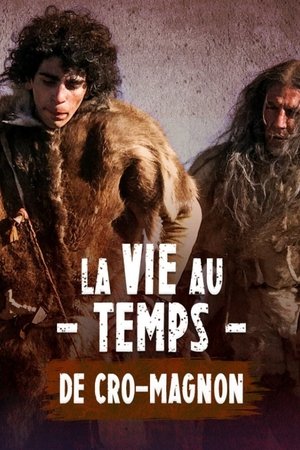
La vie au temps de Cro-Magnon
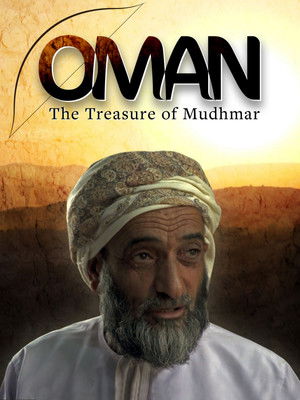
To the east of the Arabian desert, an ancient culture developed; and it attainted the sophistication of its civilized neighbours in Mesopotamia & Iran. The extreme aridity of the spot, combined with the strictness of religious prohibitions, discouraged archaeologists for a long period of time. Only recently, a group of French scientists initiated a large-span excavation. Their aim is to comprehend how this society succeeded to prosper, despite a natural environment so hostile to any conditions of life. The answer seems to be the refinement of a revolutionary, water management technique. Yet beyond such technical prowess, this documentary provides a unique look to discover a unique way of life; but also the pre-Islamic religious beliefs of this milieu.
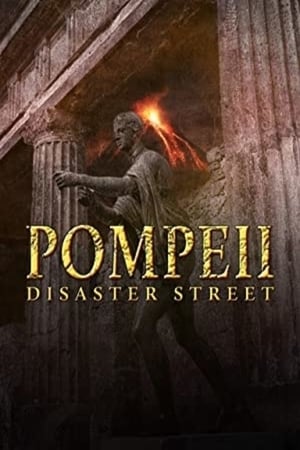
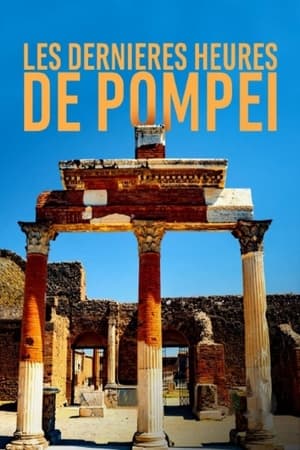
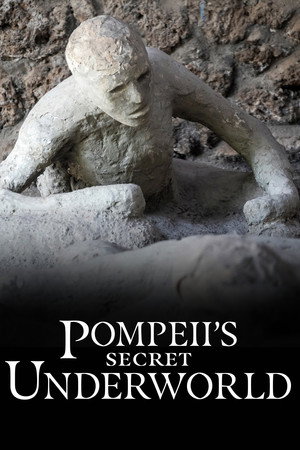
Archaeologists have just uncovered entirely new areas and villas in ancient Pompeii… the first excavation there in 70 years. Get exclusive access to the dig and see how new artifacts and new DNA science are changing history. And through the use of sophisticated Hollywood production techniques and reenactments, discover the real stories of what happened to the unfortunate souls who didn’t escape to the city gates. This is the devastating account of the final hours of that fateful day in October 79AD.
Last Hours of Pompeii
L’aube de l’humanité
Built in 1755 at the height of the French and Indian War, Braddock's Road was one of the nation's most infamous military roads. Traces of this historic route, in western Maryland, still remain, buried beneath soil and brush, and a team of archaeologists is on the hunt.
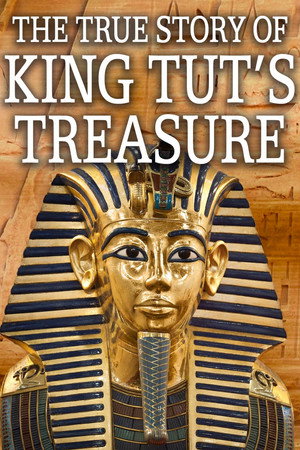
What exactly happened to all the objects found by Howard Carter after he finished exploring Tutankhamun's tomb in 1930 after they had been lying there for the past 3200 years? The most precious of them are exhibited in the Egyptian Museum in Cairo but most were kept out of sight from the very beginning. Ninety years later, for the first time, most of these objects will finally be brought together in the precinct of the great Museum of Giza. Some of them will make their way to the U.S.A. and Paris, where they will be exposed at the Cité des Sciences et de l'Industries in the autumn of 2018 - and then in London, Berlin, Tokyo and…
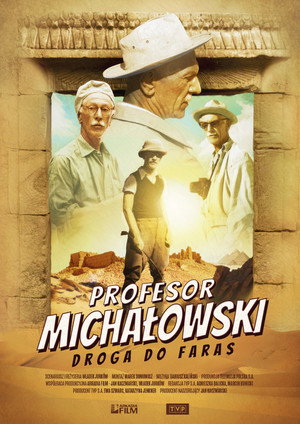
Profesor Michałowski. Droga do Faras
Archaeologist Raksha Dave and historian Dan Snow return to Pompeii to gain special access to a variety of new excavations, including two never-before-seen discoveries.
For over two centuries, archaeologists have hailed Pompeii as a sophisticated city at the heart of an advanced ancient civilization. But a series of new excavations is painting a much more complex picture of the city tragically buried by the eruption of Mount Vesuvius in 79 CE. New archaeological finds (including 2,000-year-old lines of graffiti, human remains, and artifacts from ancient homes and businesses) are revealing a city of both staggering wealth and extreme poverty, dependent on slavery, and riven by political conflicts, violence, and riots.
A closer look at the science of Human evolution, and how much early humans might've contributed to the extinction of large mammals during the Ice Age.
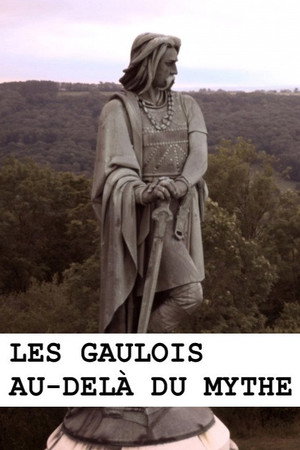
Les Gaulois au-delà du mythe
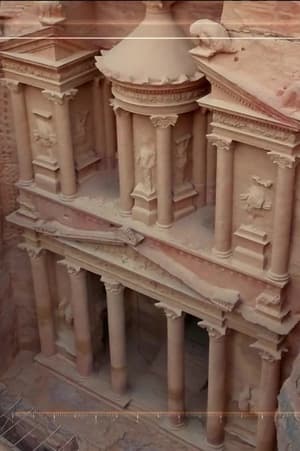
Révélations Monumentales: Pétra, la rose du désert
Objevená Kouřim
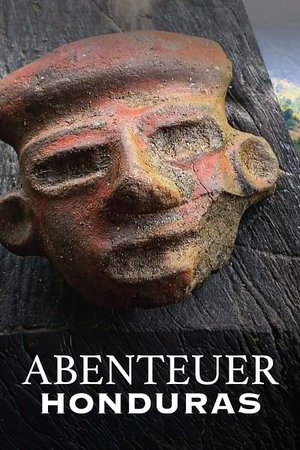
Die verschwundene Welt von Honduras
Thanks to new excavations in Mauritius and Madagascar, as well as archival and museum research in France, Spain, England and Canada, a group of international scholars paint a new portrait of the world of piracy in the Indian Ocean.
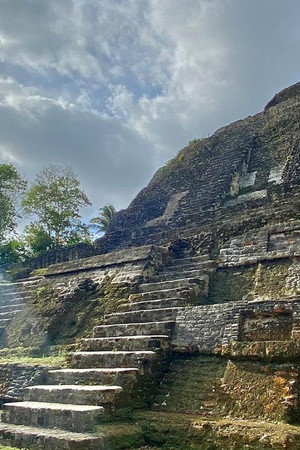
The ancient ancestors of today’s Maya people thrived in large sophisticated cities across Central America for centuries. Why, around 750 CE, did they begin to abandon many of their major cities? Archaeologists investigate dramatic new evidence of the catastrophic droughts and instability that pushed cities beyond their limits.
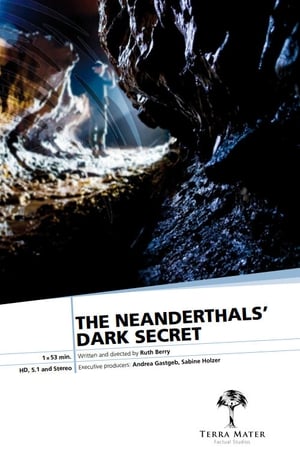
49,000 year old Neanderthal bones have been discovered by chance in a remote, mountainous region of Northern Spain. The bones may help solve the biggest Neanderthal puzzle of all – why we are here today and Neanderthals are not. ‘The Neanderthals’ dark Secret’ revolves around ongoing investigations deep inside the forbidding subterranean cave system called El Sidrón. Here, Palaeontologist Antonio Rosas and Archaeologist Marco de la Rasilla are in their 11th year of excavation. Bones from at least 12 people and 400 stone tool fragments have been recovered. We’ll bring these people back from the past. Our haunting, hologram-like Neanderthal characters, will communicate to the scientists of today, as they unlock the secrets of El Sidrón. Many mysteries surround the site, foremost, how the bones and tools came to be here in the first place. The remains aren’t weathered nor do they show signs of scavenging from large animals.
"No discovery of our time has so moved the whole world," proclaims an intertitle introducing this special extended newsreel edition. For once, Topical Budget's characteristic hyperbole is on the money. The discovery and excavation (some would say grave-robbing) of the tomb of the 14th Century BC Egyptian pharaoh was already an international sensation by the time this newsreel screened in February 1923. The sense of breathless excitement surrounding the discovery extends to Topical's intertitles, which expend a good portion of the film's running time explaining the relatively fleeting, poor quality images of the excavation itself. But we do get to see the removal of an ebony, ivory and gold chair, and two glimpses of expedition leader Howard Carter - in long-shot from behind as announced in an intertitle, but also a much clearer, unheralded shot at the 'halfway rest house', where he cuts a dash in white shirt and trousers.
Hélikè, la cité engloutie