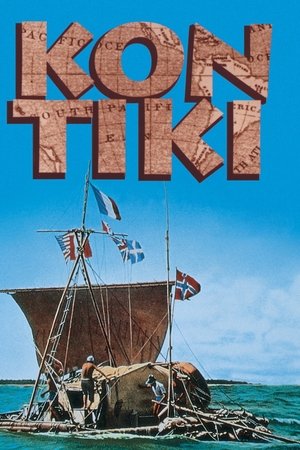
"Kon-Tiki" was the name of a wooden raft used by six Scandinavian scientists, led by Thor Heyerdahl, to make a 101-day journey from South America to the Polynesian Islands. The purpose of the expedition was to prove Heyerdal's theory that the Polynesian Islands were populated from the east- specifically Peru- rather than from the west (Asia) as had been the theory for hundreds of years. Heyerdahl made a study of the winds and tides in the Pacific, and by simulating conditions as closely as possible to those he theorized the Peruvians encountered, set out on the voyage.
A disaster truck, which is equipped to meet practically any emergency that arises in the community; In Oklahoma a breeder of under-slung cattle, making possible smaller grazing areas for milk herds; a deburping machine, of all things.
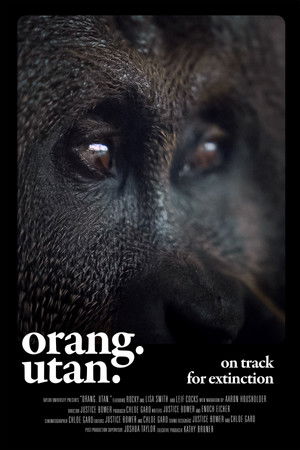
Through the story of Rocky, a rescued orangutan whose intelligence and empathy rival our own, Orang. Utan. explores the radical question of whether great apes should be considered persons. The film ultimately reframes that question into an urgent plea to save orangutans from disappearing forever.
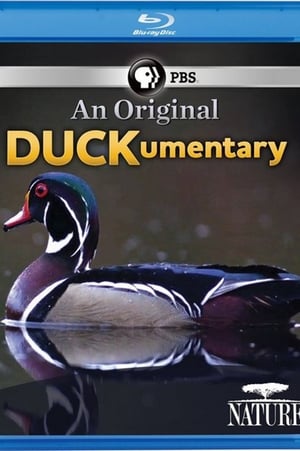
Ducks are true originals. There are more than 120 different species of ducks in all, a fantastical group of complex characters. Ducks have a talent for survival, and life stories filled with personality and charm. Each bird is more fun than the last, and will leave you wanting more.
To show the habitat, life cycle and typical activities of the Barn Swallow.
David Attenborough narrates the natural history of hummingbirds.
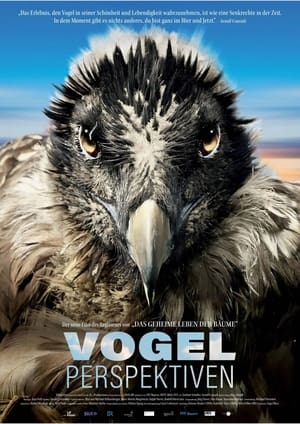
Director Jörg Adolph accompanies ornithologist Dr. Norbert Schäffer, chairman of the Bavarian Society for the Protection of Birds (LBV), on his mission to save bird life. We embark on an emotional and diverse journey of discovery into the fascinating world of birds and experience species and nature conservation in action.
Some of the world's most majestic birds display delightfully captivating mating rituals, from flashy dancing to flaunting their colorful feathers.
Journey to far-flung islands off Africa, South America, Australia and Oceania for a look at the bird species that lived alongside our ancestors.
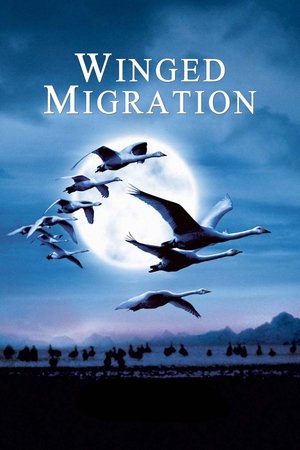
This documentary follows various migratory bird species on their long journeys from their summer homes to the equator and back, covering thousands of miles and navigating by the stars. These arduous treks are crucial for survival, seeking hospitable climates and food sources. Birds face numerous challenges, including crossing oceans and evading predators, illness, and injury. Although migrations are undertaken as a community, birds disperse into family units once they reach their destinations, and every continent is affected by these migrations, hosting migratory bird species at least part of the year.
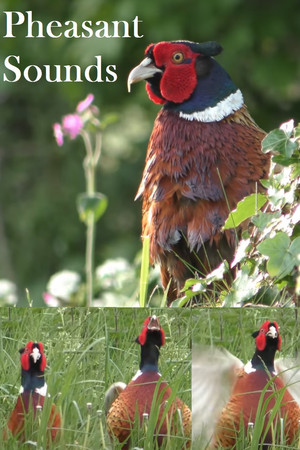
The Common Ring-Necked Pheasants of Cornwall erupt into a medley of sonic sensations.
This portrait of a guinea fowl is the first clear vision I've had of the hot-blooded dinosaurs still living among us. (SB)
The Scarlet Macaw, a vibrant symbol of the Mexican rainforest, is disappearing from the ecosystem. Conservation and Recovery of the Scarlet Macaw in Mexico explores the tireless efforts of Natura y Ecosistemas Mexicanos (NEM) to save the last remaining viable population of these iconic birds. Facing the constant threat of poaching, NEM works diligently to rescue hatchlings from vulnerable nests before they are looted. By forging partnerships with local communities, they have developed a network of dedicated individuals to locate and protect macaw nests. This compelling film showcases the resilience of both people and wildlife in a united fight to preserve a species that has long symbolized the beauty and diversity of the region's natural heritage.
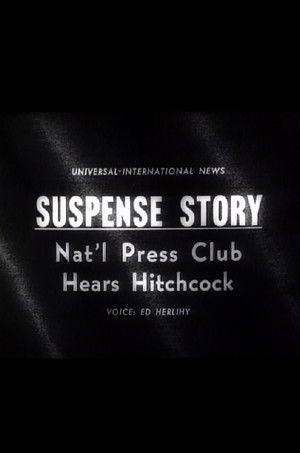
National Press Club hears a speech from Alfred Hitchcock.
This documentary tells the story of the inimitable kea. The 'Clown of the Alps' is heralded as the world’s smartest bird (its intelligence rivals a monkey’s). Kea are famous on South Island tracks and ski fields for their insatiable (and destructive) inquisitiveness. Curiosity almost killed the kea when it was labelled a sheep killer, and tens of thousands were killed for a bounty. After shots of baby kea being fed, there is extraordinary night footage in clip four of the 'avian wolf' in action. The award-winning film makes a compelling case for the charismatic kea as a national icon.
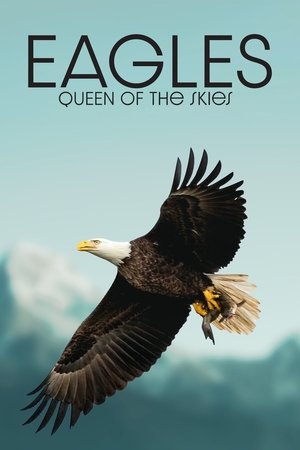
The eagle is widely regarded “the Queen of the skies”. But what makes the Eagle the Queen of the Sky? Well, a National Geographic documentary takes a look at the life of the eagle. The documentary follows the life of one individual eagle from hatching, to leaving the nest, and then setting up a home on her own. Look at the journey and the fight for survival, revealing what it really takes to become a queen of the sky for one eagle. In total, there are more than 60 members of the eagle clan. National Geographic explores their world, showing the majestic Harpy Eagle o the Amazon. The documentary features slow motion scenes, revealing the true skill of the eagle and how it catches prey from the water’s surface. In winter, on the other hand, when food is hard to find, some eagles hunt around ice floes. And that is where eagle battles occur.
Sid James learns of the joys of owning a budgerigar.
Finland’s first nature documentary. The filmmakers’ expedition leads them all the way to the Åland Islands and the Karelian Isthmus.
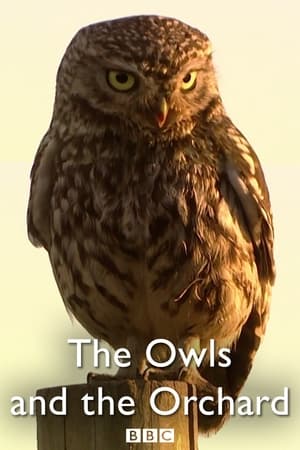
A devoted pair of little owls set up home in an old orchard in rural Herefordshire. From spring blossom to autumn apples, a year in the life of the parent birds, their baby owls and the old fruit trees.
The Doku follows the snow owls quest to survive winter. The animals travel from up north to central Europe and back. During their travels they‘ve developed plenty of strategies to make it through the harsh climates they encounter.