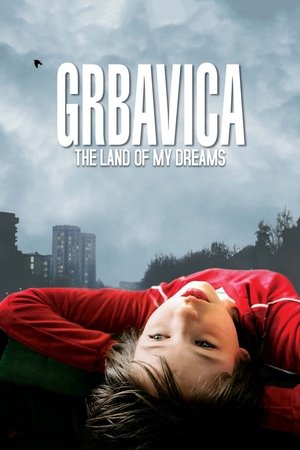
A woman and her daughter struggle to make their way through the aftermath of the Balkan war.
Between 1993 and 1995, artist and photographer Louis Jammes took pictures of people on the streets of Sarajevo under siege and gave them angelic face and wings. Then he put his huge portraits on destroyed city walls. Suddenly, it seems as life is getting back with their arrival, because they brought a sense of peace, beauty, nostalgia...
The carnage in Sarajevo provides the focus of this French documentary which seeks to call attention to the terrible conflict in the hopes of finally ending it. The film is divided into five parts. Each part covers a time frame ranging from April 4, 1992, the beginning of the war, to the present. The major issues that occur are three-fold. It depicts the systematic genocide of Bosnians, the silence of Western countries, and the determination of the Bosnians to resist. They refuse to be seen as victims, even though the filmmakers portray them so. Also included are the origins and political aspects of the war. It offers interviews with participants. It also reveals how the U.S. State Department censored reports about Serbian death camps.
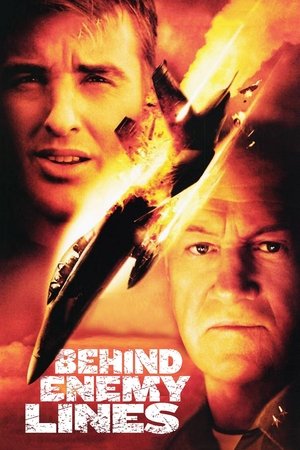
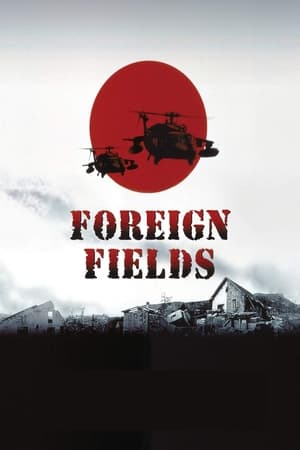
While flying a routine reconnaissance mission over Bosnia, fighter pilot Lt. Chris Burnett photographs something he wasn't supposed to see and gets shot down behind enemy lines, where he must outrun an army led by a ruthless Serbian general. With time running out and a deadly tracker on his trail, Burnett's commanding officer, Admiral Reigart, decides to risk his career and launch a renegade rescue mission to save his life.
Three intertwined stories about Serbian truck driver who is involved into drug trafficking without knowing, Czech family who live by the road which makes them a lot of troubles since many cars crash into their house, and a bus full of Swedish grannies who go on a Trans-European package holiday.
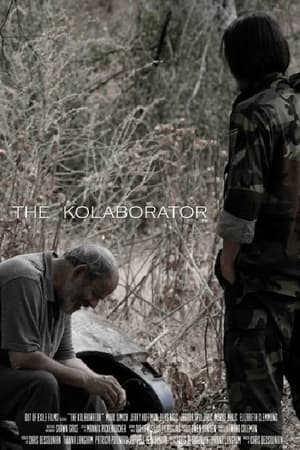
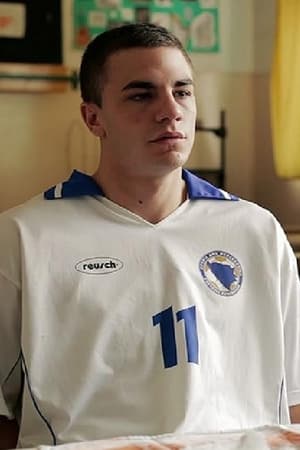
During the conflict in the former Yugoslavia many soldiers were convinced to kill fellow citizens including friends and relatives in the name of patriotism. The Kolaborator follows the story of Goran, 24, a promising young soccer player who is forced to become a soldier. Goran goes from being a talented athlete to an executioner virtually overnight. Following orders, Goran lines up civilians, shoots them and drags them into mass graves. Justifying his role as a protector of his people, Goran becomes increasingly detached from the task until his soccer coach and life-long friend, Asim, is led in front of him. As a familiar face stands defeated before him, Goran must reconsider his actions and choose between his own life and that of his dear friend.
After her mother's death, a former drug addict Merima is forced to move in with her grandparents to the nearby village. Her city girl attitude and spoiled personality clash with their rural lifestyle. Everything goes wrong when Merima's father Fazil gets out of prison.
During the Battle of Sutjeska, partisan troops must endure 24 hours of big and heavy attacks on German units Ljubino grave, to the main Partisan units, with the wounded and the Supreme Headquarters, pulled out the ring that is tightened around them.
A collection of material shot before and during WW2 in the director’s hometown of Banja Luka, where its quiet life was disrupted by the enemy.
A surreal exploration of the war in Bosnia told through the unbreakable spirit of seven of her people whose strength to leave was as powerful as the fight to stay. Through the lens of diaspora, the film captures not just the weight of displacement, but the defiant act of survival and the unwavering pursuit of home, no matter where the journey leads.
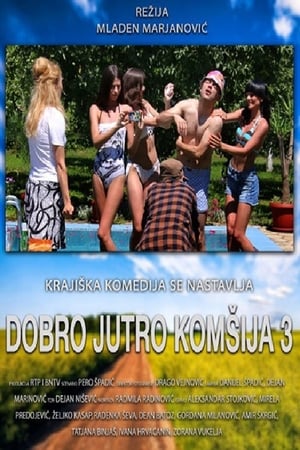
Violeta gives birth to a baby, while Ceda's mother-in-law gets wasted which makes place for plenty new adventures in the village. It's a story about life and death told in a humorous way.
The plot again deals with familial relationships, more precisely around daughter-in-law, her husband and his domineering mother.
In this exciting documentary you'll join a small team to the Bosnian city of Visoko. They've heard of a man called Semir 'Sam' Osmanagich. He claims to have discovered huge old pyramids, a vast network of underground tunnels and an ancient tumulus. For four and a half days he guided our team around, in search of proof of his claims. The Bosnian Indiana Jones, as Osmanagich is nicknamed, promised to show our camera crew the best places. So it would be definitive once and for all that there really are pyramids in the Bosnian Visoko valley. But are there? Or is it the biggest hoax in history?
Jacob, a farm boy from Denmark, joins U.N. Brigade's peacekeeping force in Bosnia, where he witnesses refugees trying to escape their war-torn villages. There, Jacob is befriended by Sergeant Holt, a cynical soldier.
Bosnia, a summer's day at the country side 20 years after the latest war. Being the only witness of the secret plan of her favorite aunt Ljilja, little Maja takes a major step in her life. The boundaries of her childhood start to break apart.
Three friends are hanging out on the roof in Sarajevo. Their hangout is interrupted by the Yugoslavian time traveler who explains them that they are in danger and need to use the time machine to go back to Yugoslavia and warn people that the future generations messed up. They travel back in time to find themselves not in Yugoslavia, but in Iran. Clash of the cultures is evident, and they are forced to hide their identity. But the more they discover the city, the more they realize it is scarily similar to their own.
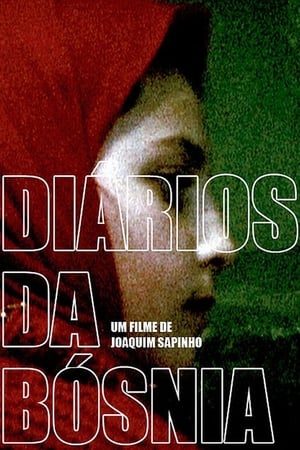
I went to Bosnia after war ended, in 1996, when the Danton Peace Accord was being implemented. Bosnia had been divided in two entities, which separated the two main opposing forces of the conflict; the Serb Bosnians and the Muslim Bosnians. Two years later, in 1998, I returned to Bosnia... This movie is a diary of the two voyages, in which I deal with the memories of the war, the death and destruction and with the victim’s struggle who don’t know how to return home.
The war has ended. Villages of Bosnian Croats have been destroyed, and they are living in the homes of the Croatian Serbs. An old man, a Bosnian Croat, disappears. A policeman Filip, himself living in a Serbian home, investigates the case uninterestedly. Through the relationship with his father, Filip tries to understand the motives of the missing old man. As the film moves towards the end, Filip’s investigation becomes more and more personal.
Sfaira (1971-1984) dedicated to Pythagoras and Plato is a homage to two of his favourite spheroids: the Earth and the Sun.
Moments in the life of a young Japanese filmmaker in Bosnia, charged with acoustic and visual poetry. Buoyant and essayistic entries in a process of self- and world-reassurance.