A look at the people, history, and recovery of the mountain since the eruption in 1980.
The Alps – wild mountains, extreme lives, but also a magical world. This majestic mountain range connects eight countries and reaches heights of up to 4,000 metres above sea level. At a length of 1,200 kilometres, the Alps form both a connecting bridge between western and eastern Europe and a high barrier between southern and central Europe. The mountains act as a mighty water reservoir and continental watershed, feeding innumerable rivers that flow into three different oceans. Their highest peak, Mont Blanc, is surrounded by long, soaring mountains with ice-covered slopes. These great summits are just one reason the so-called “Roof of Europe” continues to fascinate – across the continent and around the world. The incredible diversity of landscapes, flora and fauna makes the Alps a unique natural treasure at the heart of Europe.
The story of an abandoned baby grey squirrel found by chance in the Oxfordshire countryside.
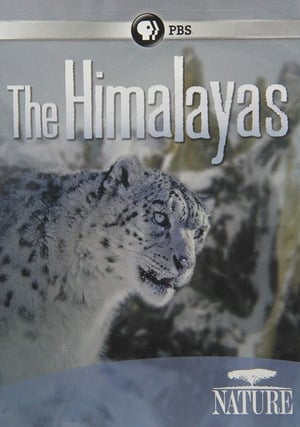
The highest mountain range in the world, the Himalayan range is far reaching, spanning thousands of miles, and holds within it an exceptionally diverse ecology. Coniferous and subtropical forests, wetlands, and montane grasslands are as much a part of this world as the inhospitable, frozen mountaintops that tower above. The word Himalaya is Sanskrit for abode of snow, fitting for a stretch of land that houses the world’s largest non polar ice masses. Extensive glacial networks feed Asia's major rivers including the Ganges, Indus, and Brahmaputra. More than a billion people rely on these glacier-fed water sources for drinking water and agriculture. The Himalayas are not only a remarkable expanse of natural beauty. They're also crucial for our survival.
A shadow puppet film inspired by the story of an extinct Hawaiian tree snail (pūpū kani oe) named Lonely George.
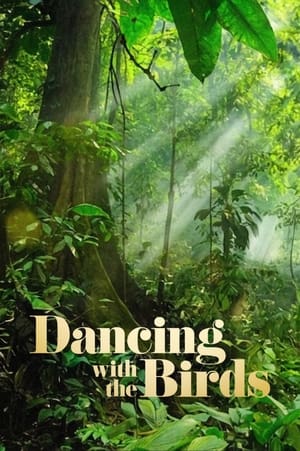
Some of the world's most majestic birds display delightfully captivating mating rituals, from flashy dancing to flaunting their colorful feathers.
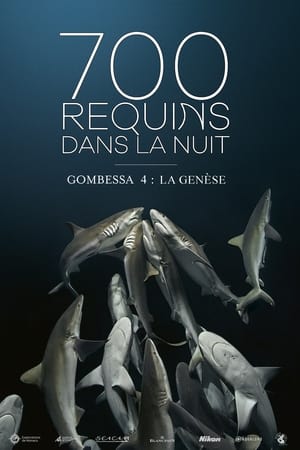
Originally, in 2014, Laurent Ballesta had just one precise objective: to unravel the mystery of groupers. To understand the issues involved in their collective reproduction. But although focused on the study of groupers, the real surprise came from the sharks. Never before had the team been confronted with such a density of grey reef sharks. The divers took up the challenge of counting them. Methodically, they repeated the operation many times to arrive at the impressive figure of 700 grey reef sharks. Each year, the team returned to the southern pass of Fakarava in French Polynesia. Until 2019, for the fourth expedition, "Gombessa 4" is the synthesis of precise and unique scientific protocols. The mission demonstrated that shark hunts are not anarchic, but rely in part on social organization within the horde, following in the footsteps of the 700 grey sharks in "700 sharks in the night (Gombessa 4, Genesis)".
This moving, family documentary goes behind the scenes at The Big Bear Alpine Zoo, which is only one of two high elevation, Alpine Zoos in the United States.
Composed of serious and funny musical scenes, an exploration of the virtues of translation and desire for communication between humans and birds. Told by a narrator from the future, after the sixth mass extinction, an observation of the attempts made to establish a possible exchange.
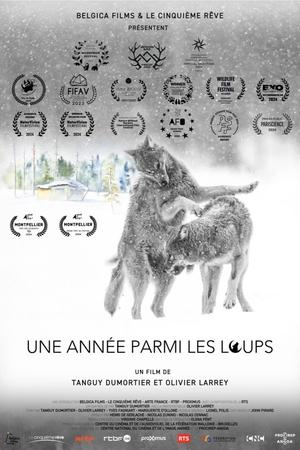
United by the same dream, Yves Fagniart and Olivier Larrey, watercolorist and wildlife photographer respectively, set up home in a shack just a few square meters square, in the middle of the no-man's-land between Finland and Russia. Their aim: to document the intimate life of a pack of wolves, presumed to frequent this frozen peat bog landscape.
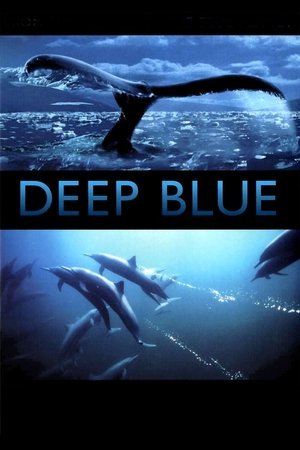
Deep Blue is a major documentary feature film shot by the BBC Natural History Unit. An epic cinematic rollercoaster ride for all ages, Deep Blue uses amazing footage to tell us the story of our oceans and the life they support.
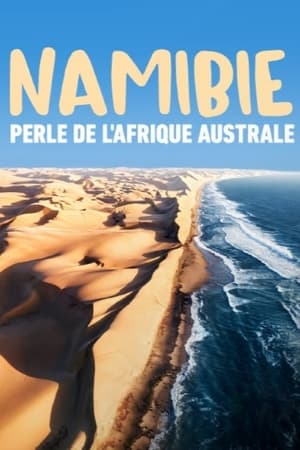
Namibie, perle de l'Afrique australe
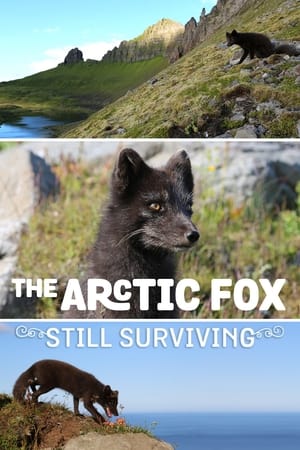
A beautiful filmed short documentary about the life cycle of the arctic fox. A treat for nature and animal lovers alike.
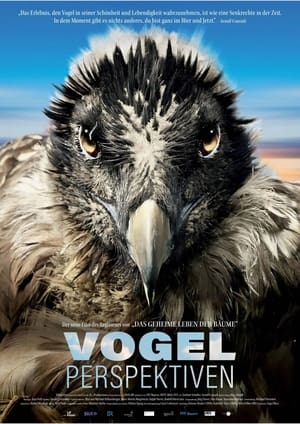
Director Jörg Adolph accompanies ornithologist Dr. Norbert Schäffer, chairman of the Bavarian Society for the Protection of Birds (LBV), on his mission to save bird life. We embark on an emotional and diverse journey of discovery into the fascinating world of birds and experience species and nature conservation in action.
Das geheime Leben der Rothirsche
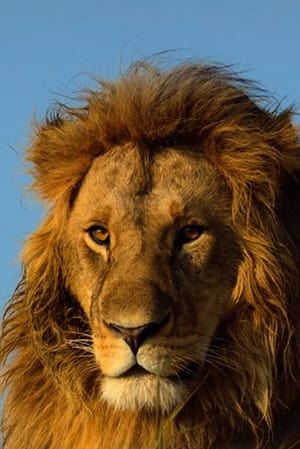
Serengeti, one of the last great biodiversity oases on the planet. A place where nature still reigns supreme. But how long will this idyllic image last?
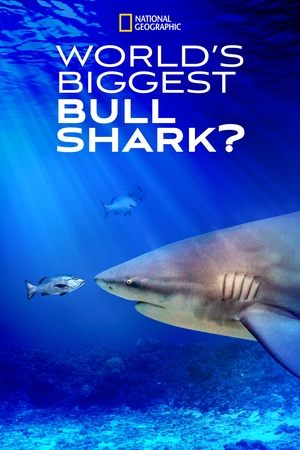
How one of the largest Bull Sharks ever caught off the quiet coast of Florida grew to become a giant of the ocean.
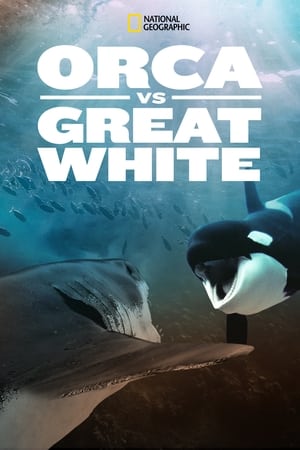
Researchers investigate whether orcas have begun hunting great white sharks off the coast of New Zealand.
A series of shark attacks that happened in the same patch of ocean, the remote islands of the Whitsunday in Australia.
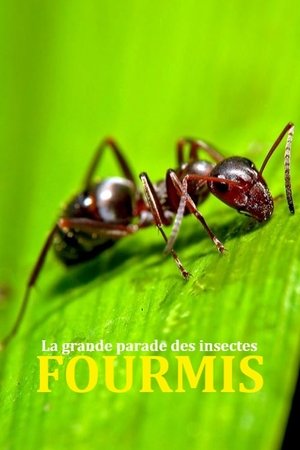
„The Fabulous Insects – Ants“ shows the diversity, beauty and exciting strategies of ants in their respective habitats. Whether in the tropics of South America or in the native climes of Europe - the world of ants is full of surprises. The biomass of ants and humans in the world is about the same. Next to us, ants are probably the most adaptable creatures on the planet. Whether rainforest, savannah, forests or moors - ants populate every terrestrial habitat. You can observe particularly exciting natural history not only in the distant tropics, but also in densly populated Central Europe.