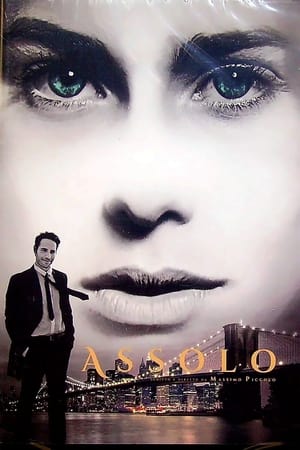
Danny 'Sweet Touch' Caputo is a young sax player on the verge of crowning his life's dream, to play in the festival that will send him to the top amongst the jazz greats. With just 50 minutes standing between him and his consecration, as he runs over his last simple question more to pass time than anything else. Danny tries to answer, but instead finds himself projected into another world, one populated by the sensual and very real ghosts of his past...
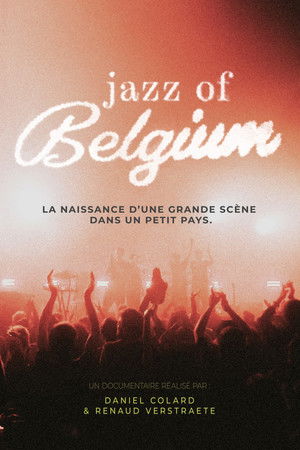
Belgian jazz is enjoying a renaissance, driven by artists mixing jazz and electronic music. Around the Volta in Brussels, groups like Echt! and Tukan are reinventing the genre and exporting this ‘Brussels Sound’. This Jam documentary explores the effervescence of Belgian jazz and its international impact.
A guy commits suicide due to severe depression. As his final goodbye, he writes three letters to God to explain his struggles with the world.
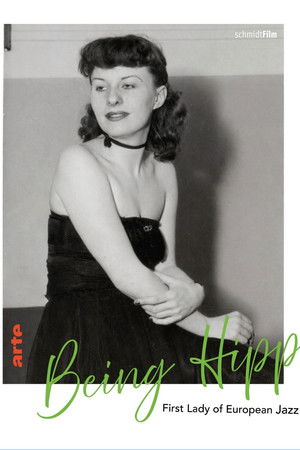
Jutta Hipp defied the odds and made it to the heart of the male-dominated jazz scene in 1950s New York.
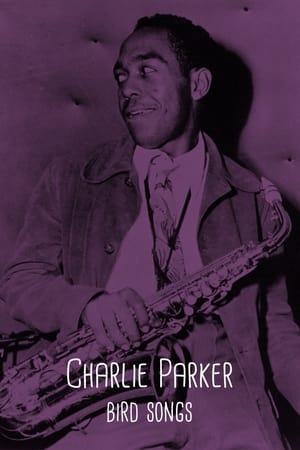
Saxophone player Charlie ‘Bird’ Parker comes to New York in 1940 and is quickly noticed for his remarkable way of playing. He becomes a drug addict but his loving wife Chan tries to help him.
The story of how Everett Leroy Jones became Amiri Baraka, from his childhood to the mid '60s, is told through interviews recorded in the late '90s.
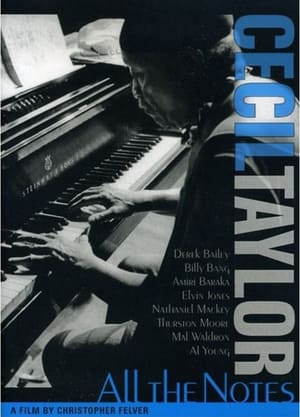
Cecil Taylor was the grand master of free jazz piano. "All the Notes" captures in breezy fashion the unconventional stance of this media-shy modern musical genius, regarded as one of the true giants of post-war music. Seated at his beloved and battered piano in his Brooklyn brownstone the maestro holds court with frequent stentorian pronouncements on life, art and music.
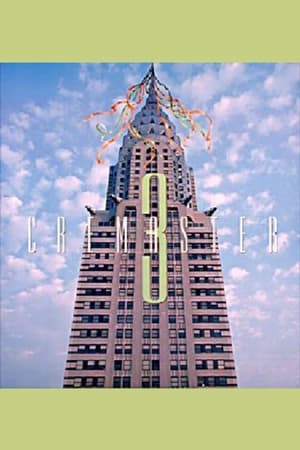
CREMASTER 3 is set in New York City and narrates the construction of the Chrysler Building, which is in itself a character - host to inner, antagonistic forces at play for access to the process of (spiritual) transcendence. These factions find form in the struggle between Hiram Abiff or the Architect...
A Song For My Father is a six-minute poetic documentary that examines grief and the complicated relationship we develop with the things that once connected us to the people we’ve lost. After the sudden death of their musician father, filmmaker Shona Buschlen and her younger brother Eddie, a jazz trumpet player, return to a performance space where their father once played. In the early stages of grief, music becomes difficult to hear, no longer comforting but a reminder of absence. Over time, these feelings begin to shift. Through archival recordings of their father’s bass and live trumpet improvisations by Eddie, the film creates a call and answer across time, tracing how sound becomes a way to sit with grief rather than escape it. Blending voiceover, childhood footage, and sound-driven editing, A Song For My Father explores grief not as something to be resolved, but as something lived with, where healing comes from allowing yourself to feel.
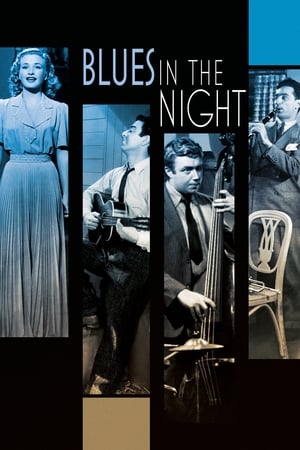
A struggling band find themselves attached to a fugitive and drawn into a series of old feuds and love affairs, as they try to stay together and find musical success.
A pair of kidnappings expose the complex power dynamics within the corrupt and unpredictable workings of 1930s Kansas City.
In 1955, on his report, a medical examiner wrote in the box: age, “about 53 years”. Charlie Parker nicknamed Bird just died, at 34. His death will be the ransom of a life that was not denied to the excesses or the consuming flame of genius. His wildest improvisations will open the door to future jazzmen. Between shadow and light this film will pay tribute to one of the greatest musicians of the 20th century.
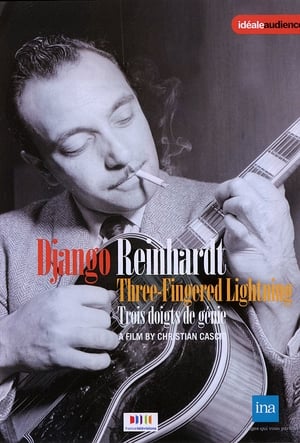
Django Reinhardt, trois doigts de génie
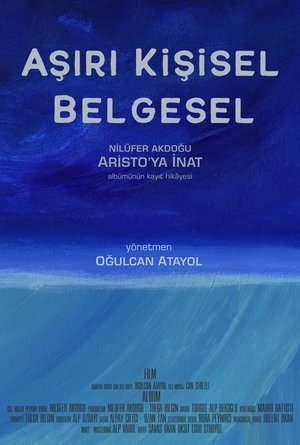
The recording process of musician Nilufer Akdogu's Turkish jazz album Aristo'ya Inat (Against Aristotle). The film presents the musical searches during the creation of an album with all its fragility. At the same time, it is a record of special sharings which elements from world jazz history are discussed with experiences, and the joy is never lost despite the setbacks.
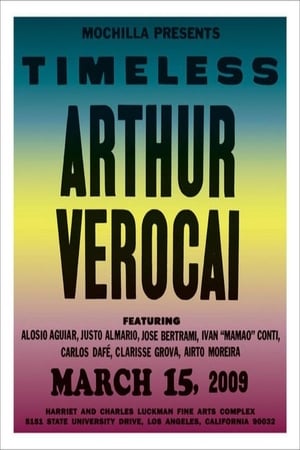
Folk-jazz composer/arranger Arthur Verocai was born in Rio de Janeiro. He has created challenging arragements and compositions for Brazilian artists Jorge Ben, Ivan Lins, Leny Andrade and Gal Costa. In 1972 Verocai recorded a self-titled solo LP. It is a stunningly innovative effort. It puts Verocai into a rarified field with the heavy string oriented music of Charles Stepney, David Axelrod and Frank Zappa. Released in a period marked by the Brazilian military government, the album fared poorly. Following its re-issue in 2003, the album has become a highly influential oft sampled classic (see Ludacris, MF Doom and Little Brother). The performance of this seminal 1972 record in its entirety brought the capacity Luckmann crowd to a stand still. According to Verocai, 'he had never played the record, alive or dead!' His delight can be seen on the DVD. The music has been mixed by Verocai himself in Rio. History turned on its head and musical justice served.
After nearly 40 years in operation, the family-run Koto Japanese Restaurant is closing down. Over the course of its final service, the small Vancouver Island community bids farewell.
This concert from the Jazz legend was recorded in 1973 with a very similar line-up to the later releases Dark Magus, Agharta, and Pangaea, featuring Al Foster on drums, Michael Henderson on bass, Mtume on percussion, Dave Liebman on sax, and, most importantly, Reggie Lucas and Pete Cosey on guitar. It contains some material from the previously listed albums, and plenty that is not, at least in any recognizable form. Jazz VIP. 2009.
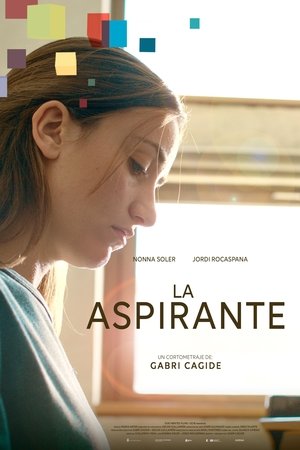
La Aspirante
An experimental staged documentary.
An art film that captures the title as a triple entendre.