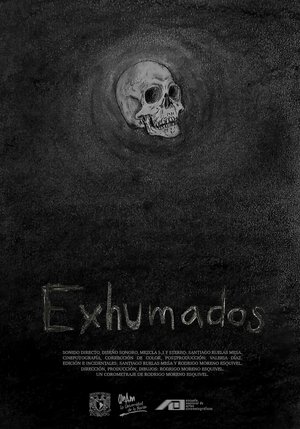
Exposition of two different processes of forensic identification in exhumed bodies with features of violence.
Fellow violinist and artist Tony Conrad, in collaboration with software engineer Tom Demeyer, made for Steina the instrument seen in this title. Conrad and the Vasulkas all taught at the University at Buffalo in the Media Study Department from 1976 to 1979.
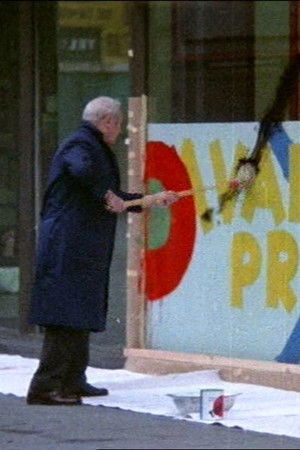
As publicity for the exhibit Miró L’altre, organized by the Colegio de Arquitectos de Catalunya in 1969, the Board commissioned Pere Portabella to film Miró painting the “poster” for the exhibit on the ground floor windows of the building. Portabella was not interested in simply filming a testimonial documentary. However, he said he would do the film if after the exhibit Joan Miró himself, with the help of the cleaning staff erased his own painting. Joan Miró accepted the idea without a doubt. The complicity between the film maker and the painter is evident in the filming.
For over a decade, ShortsTV has proudly brought the Oscar© Nominated Short Films to audiences across the globe. This exclusive release features the year’s most spectacular short films and for a limited time is available to watch on the big screen. Each nominee is released in one of three distinct feature-length compilations according to their category of nomination: Live Action, Animation or Documentary. The films go into theaters around the world shortly after nominations are announced and are not released anywhere else until a few days before the Oscars©, when they are also made available via on demand platforms, including iTunes, Amazon Instant Video, Google Play and Vimeo on Demand. The release ensures the greatest number of viewers can see all the nominees before the ceremony, while providing short filmmakers with an unprecedented opportunity to commercialise their movies.
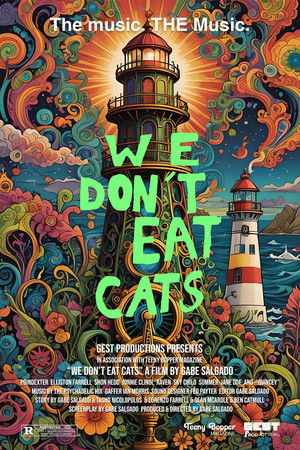
Rock and roll megastars The Psychadelic Hix are about to embark on their long anticipated world tour. However, the hype is tarnished by rumors of the group’s association with the mysterious Muncie Ball Beer Cult, which indoctrinates young Hix fans into moving to the coast of Maine and marrying lighthouse keepers.
A collective portrait in which friends and acquaintances explore the complexities of Rodrigo Lira, a pivotal poet on the national scene of the 1980s. The short film exposes diverse literary and personal facets of Lira, while simultaneously fragmenting, reiterating, and juxtaposing the speeches of the group of interviewees, making it in itself a work of audiovisual experimentation. Originally filmed months after Lira's suicide, this film was recuperated and preserved by Universidad de Chile's Film Archive, who were able to release it in 2026.
“All that which in Picture is not of the body or argument thereof is Landskip, Parergon, or By-work” (Thomas Blount, Glossographia, 1656).
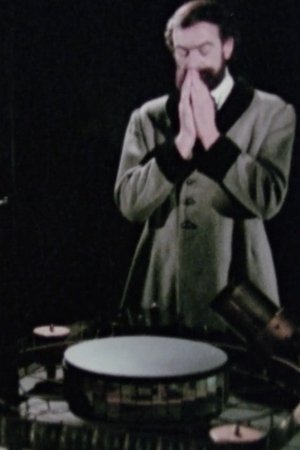
The 8th short film as part of the Magica series dealing with pre-cinema. Fictionalised documentary about Emile Reynau who invented the praxinoscope and its system of central mirrors. He then projects his paper strips into the projection praxinoscope before creating the Théâtre Optique, presented at the Musée Grévin. The perforated strips are fragile and often break. The show is cancelled. Reynaud tries to apply photography to his praxinoscope, but without success. Desperate and ruined, he throws his strips into the Seine. Only two survived.
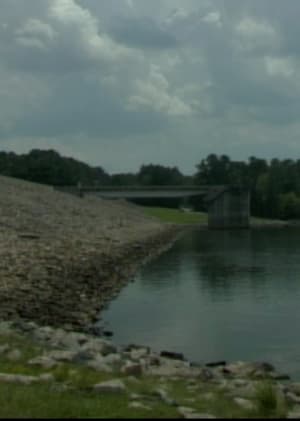
Set at an artificial reservoir in North Carolina, RESERVOIR (SEVEN FRAGMENTS) is a meditation on the unnatural histories of the American environment. The film approaches both the cinematic image and the landscape it captures as damaged, estranged things—things adrift in a world of irreparable discord.
This film without words is composed of Pamela Bone's unique photograhic transparencies. Her talent has been said to 'push photography beyond its own limits, liberating it to the status of an entirely creative art form.' Inspired by nature, and being more responsive to feeling than to thought, Miss Bone has sought to express the mystery and beauty of the inner vision through photographic means alone: landscape has the quality of a dream; children on the sea-shore have a sense of their own enchantment, trees are forboding and strange when night moves in their arms. It took Miss Bone twenty years to find the right technique and so overcome the limitations that photography would impose.
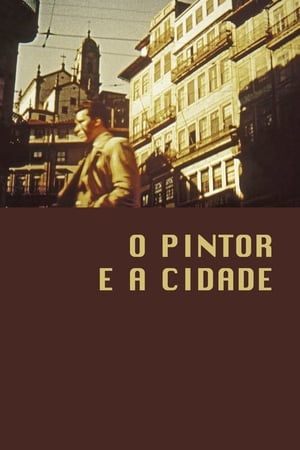
The painter António Cruz wanders around the city of Porto painting what he sees: old and modern buildings, people arriving and leaving work in the factories, children playing. The impressionist realism of Cruz’s drawings dissolves into Oliveira’s vision of Porto, which at the same time portrays the painter and his work.
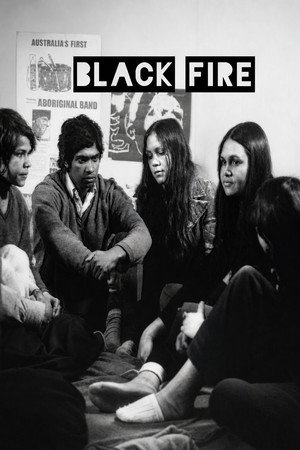
Long thought to be the first film ever made by an Indigenous filmmaker, Black Fire examines the situation of First Nations people in the early 1970s through politically charged discussions, comical vox pops, and interviews with luminaries of the time such as Pastor Doug Nicholls and Aboriginal Tent Embassy co-founder Bertie Williams.
1924, produced by Frederick Burlingham.
A new exploration of familiar places located in the region of Rhône and Isère throught an reinvention of digital nuances, a study of perceptions and fluidity around the nature of motion in landscapes and human interactions.
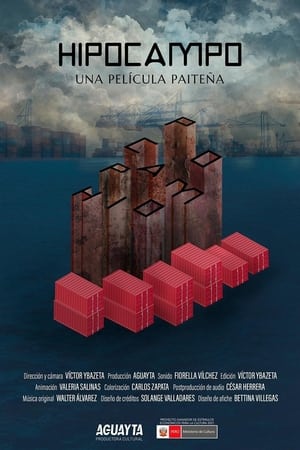
Formally eclectic, the first few seconds of the film seem to introduce us to a typical sensory documentary, but soon the flow of the narrative evolves into a much more complex portrait of the port of Paita, by concatenating recordings made by the author himself, videos generated by an AI, Google Maps views and archival images.
Twenty-four images of a camera running in the woods, a moonlight and a cemetery through improvised gestures, mechanical abstraction and saturated colors
In this tape, Ko Nakajima and Video Earth Tokyo interview a homeless man. The subject is initially angry and frustrated, but gradually opens up and shares stories about his life. Under A Bridge was later broadcast on cable television.
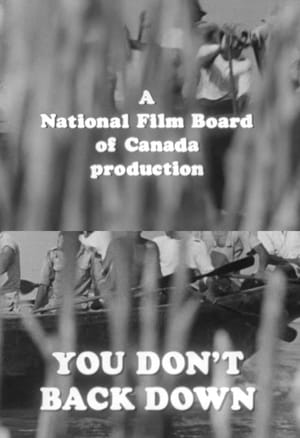
In Nigeria, a young Canadian doctor serves in a local mission hospital and learns much from the experience. Stationed abroad under the Canadian University Service Overseas Plan, Dr. Alex McMahon and his schoolteacher wife find every day a fresh challenge. An interesting study of intercultural help.
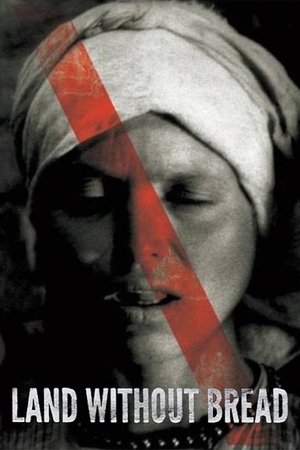
An exploration —manipulated and staged— of life in Las Hurdes, in the province of Cáceres, in Extremadura, Spain, as it was in 1932. Insalubrity, misery and lack of opportunities provoke the emigration of young people and the solitude of those who remain in the desolation of one of the poorest and least developed Spanish regions at that time.