Buenos Aires is a complex, chaotic city. It has European style and a Latin American heart. It has oscillated between dictatorship and democracy for over a century, and its citizens have faced brutal oppression and economic disaster. Throughout all this, successive generations of activists and artists have taken to the streets of this city to express themselves through art. This has given the walls a powerful and symbolic role: they have become the city’s voice. This tradition of expression in public space, of art and activism interweaving, has made the streets of Buenos Aires into a riot of colour and communication, giving the world a lesson in how to make resistance beautiful.
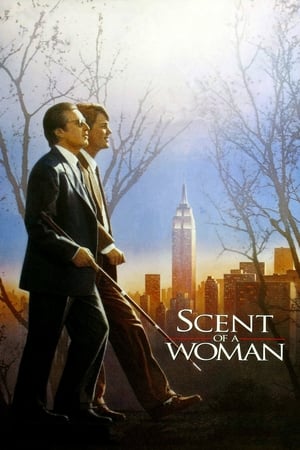
Charlie Simms is a student at a private preparatory school who comes from a poor family. To earn the money for his flight home to Gresham, Oregon for Christmas, Charlie takes a job over Thanksgiving looking after retired U.S. Army officer Lieutenant Colonel Frank Slade, a cantankerous middle-aged man who lives with his niece and her family.
John J. is a seasoned hit man sent on a job to Argentina. When the General he's sent to kill delays his return to the country, John passes the time with Manuela, a beautiful dancer who becomes his teacher and guide into Argentina's sensual world of the tango.
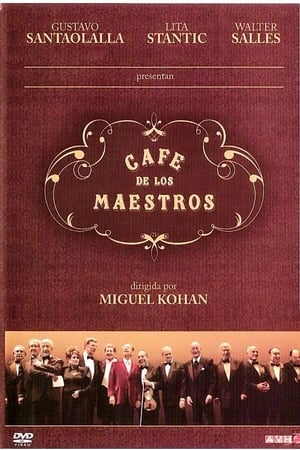
Coffee Masters is a documentary by Miguel Kohan, produced by Lita Stantic, Gustavo Santaolalla and Walter Salles. It tells the story of great tango of the old guard who, summoned by a rock musician, proposing a record to demonstrate its validity. This adventure, full of memories, humor and poignant moments, culminating with a presentation of the Masters at the Teatro Colon.
A former communist militant and a "live and let live" man form an unlikely friendship on a park bench, sharing their life stories with humor and heart.
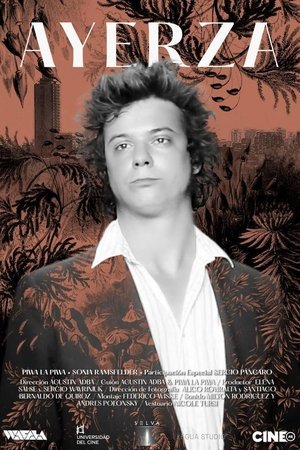
A young man from Buenos Aires, rebellious and dispossessed of the system, finds himself dragged into a conspiracy that only he can unravel. His urban odyssey explores the limits of the night, the banalities of being and an anguished emptiness that has him disturbed.
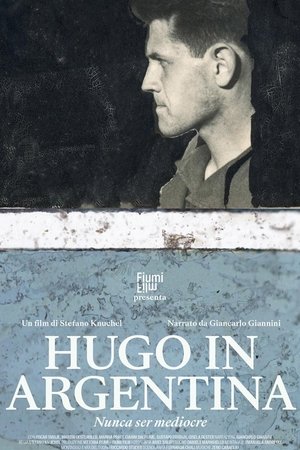
A promising Italian cartoonist lands in Buenos Aires in 1950, with the dream of reaching the United States, to discover that, for him, America will be Argentina. The country immediately overwhelms him with its massive economic boom and a cultural scene among the most vibrant in the world. We are at the dawn of Argentina's most delirious decade, and the young immigrant feels that the vast promise of this country is within his grasp. His name will indeed make itself known: Hugo Pratt.
The film follows different stages in the life of Sofía, a young girl born in Argentina of Chinese descent. From her childhood to her adulthood, she's conflicted by the clash and fusion of both her cultures, all while facing a strenuous relationship with her mother Jia, who places concerns and demands on her.
A Texas oil millionaire, after failing to secure oil lands in Argentina, seeks out a famous racehorse in Buenos Aires and orders his representative to buy the nag at any price. The representative, Tim Kelly, has a love affair with Lolita O'Shea, the beautiful daughter of the prize horse's owner.
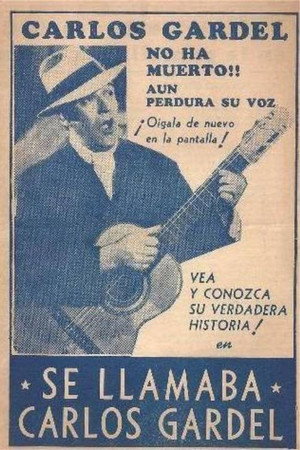
A film about Carlos Gardel's meeting with José Razzano, his love affairs, and his death.
Un Cacho de Deseo
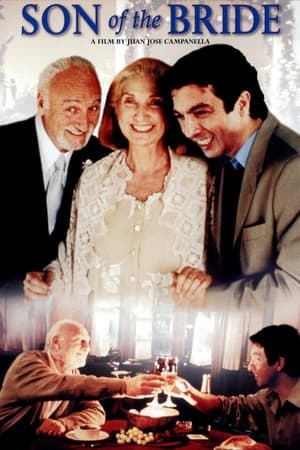
At age 42, Rafael Belvedere is having a crisis. He lives in the shadow of his father, he feels guilty about rarely visiting his aging mother, his ex-wife says he doesn't spend enough time with their daughter and he has yet to make a commitment to his girlfriend. At his lowest point, a minor heart attack reunites him with Juan Carlos, a childhood friend, who helps Rafael to reconstruct his past.
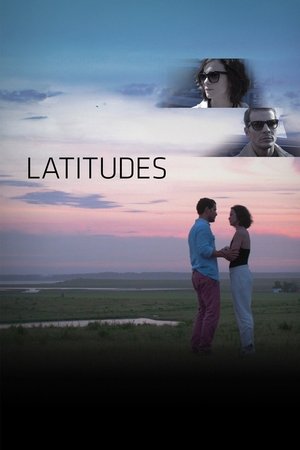
Olívia, a fashion executive, and José, a photographer, gets together in Paris, having casual sex and talking a little about relationships. And, in some days, they meet again in another city. And another one. And another... Latitudes is a trip around the world, the love and the poem of living.
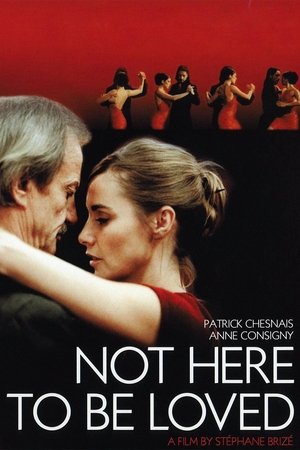
Jean-Claude Delsart, a 50 years-old bailiff, with his worn-out smile and heart, abandoned a long time ago the idea that life could give him pleasures. Until the day, he dares to push the doors of a tango lesson...
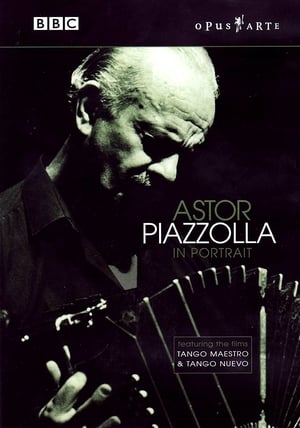
Concert and Interview with Astor Piazzolla and his sextet by the BBC-Bristol.
Teresa’s life is turned upside down when she is forced to accept a job far away. On her way, she loses her bag, causing her to cross paths with El Gringo, a traveling salesman.
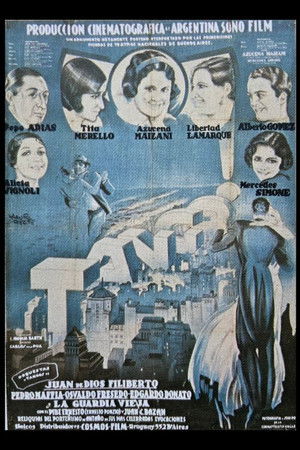
¡Tango! follows a formula established by Carlos Gardel with films such as Luces de Buenos Aires (The Lights of Buenos Aires, 1931) in which a melodramatic story is interspersed with tango songs. However, the film had less dialog and more music, making it more like a musical revue. This format would be copied by many subsequent films. The plot is derived from tango songs. Many of these songs tell of the seduction of an innocent slum girl by a rich man who promises her a glamorous life, but who abandons her when her looks fade. The stylized and sentimental plot of ¡Tango! revolves around a young man who is abandoned by his girlfriend for an older rich man and is heartbroken. The film follows his misfortunes.
Six elderly retired women, two from Buenos Aires, Argentina; two from Montevideo, Uruguay; and two from Madrid, Spain, have something in common, despite their different interests and lives: they go to the movies almost every day.
A gambler discovers an old flame while in Argentina, but she's married to his new boss.
Mr Plastimime is a funny and moving story about a man who faithfully practices a dying art, a man whose timing is a bit off, a man whose skills aren’t recognized, a man who is unlucky in love; But this is a man who keeps moving forward, faithfully believing he will one day be finally ‘seen’. That day has come…but he never expected it to be like this.