In a settlement in the northern mining country. The Marles, Bréhard and Gohelle families wake up and prepare for a new day at work. The young engineer Larzac, newly appointed to the mine, will soon oppose the authoritarian and conservative methods of his superior Dubard. Georges Gohelle would like to marry Marie Bréhard, but housing difficulties thwart their plans. Brezza, a Polish immigrant, who must return to his country, would like to hate his marriage to Louise Gohelle. Roger, Marie's little brother, has just turned 14. He does not want to go down to the mine as his elders have always done. He will however have to resign himself to it. Marles evokes for him the social struggles of 1906. Roger is injured during a landslide. In front of his family and his friend Marles, who had come to the hospital, he announced his decision to continue his profession. Larzac, invited to the Marles, reveals that he refused a quiet position at the Charbonnages de Paris. He too stays.
Four men from a nomadic Tibetan tribe undertake their annual, ritualistic pilgrimage to a sacred salt lake. Salt gathered in this traditional fashion will be sold to provide the economic livelihood of the tribe for the coming year. The journey, necessary for the group's survival, also incorporates a number of rituals necessary for their culture to survive in the modern world.
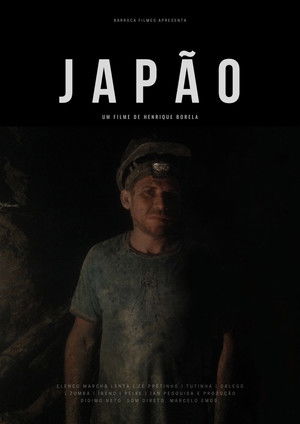
Maxime is a young Valdorian who works in a gold mine. As he experiences several difficulties as he goes through life, he will question his definition of masculinity. It's with the help of the tightly knit brotherhood of colleagues in the mine that he will find the necessary support to overcome a feeling of stubborn guilt which prevents him from achieving happiness. Until the day an explosion breaks out underground. As part of the rescue mission, Maxime descends into the mine lair with the firm intention of bringing each of his colleagues back to the surface alive.
A couple journey to a small town to visit a traditional healer for alternative conception methods, when they soon discover the dark secrets of the town's past.
In 1984, eleven miners entrenched themselves underground to protest for better working conditions in the mining village of Almaden in southern Spain. The strike, deep within the toxic mercury mine, lasted for eleven long days, during which the whole village showed its solidarity with the men protesting underground. The mine was the heart of Almaden, around which everything revolved – until it longer existed. The mercury mine was closed for good at the beginning of the 21st century. As a consequence, the area has experienced mass unemployment and slow decline.
Love story between a fisherman of the Adriatic coast and a young girl of the village.
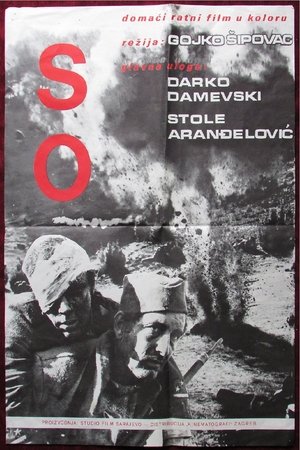
Due to fighting against the Germans and the Ustashas, the partisans in central Bosnia decide to strike the salt pans, and take the much needed salt for the people and army. After serious attacks and heavy losses, they complete their mission successfully.
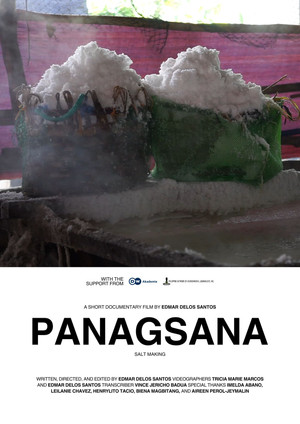
Melba, a traditional salt maker from Pasuquin, Ilocos Norte, Philippines, struggles to sustain their heirloom craft due to the effects of climate change. The salt-making process, which relies heavily on dry weather, is threatened by increasingly unpredictable weather patterns in the Philippines, putting their tradition at risk.
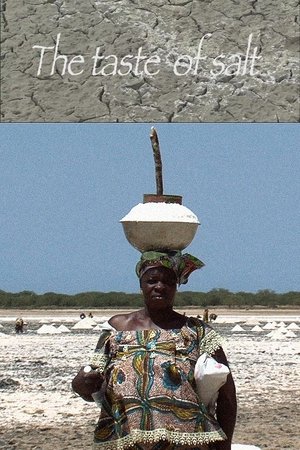
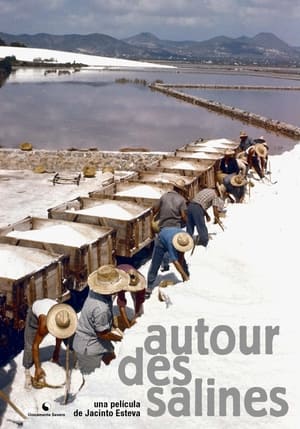
Life in a rural area in Spain where the sole source of income is the physically gruelling labour of salt mining.
Egglantine loves salt on her eggs. Eggbert prefers pepper. Who blinks first in this playful Easter ritual?
Trapped deep underground in a mine train nervous, newcomer Mark and grizzled veteran Dave must confront buried secrets before time and trust run out.
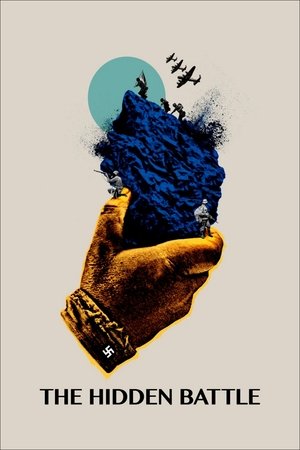
During the Second World War, the Allies threaten to attack Spain, an allegedly neutral country, if the Francoist regime keeps allowing Nazi Germany to extract Galician tungsten, a strategic mineral, paramount to the war effort.
"River of Hope" tells the story of how a former slave Mary Barnes Cabell and her children helped found the first college for African Americans in West Virginia. Based on true events.
Two elderly women bear the consequences of a crime involving their respective grandsons. One is the victim, the other is the suspect. Both weak and poor, they laboriously solicit money in the midst of a storm, one for the victim's burial, the other for the suspect's bail bond.
Explores the historical and contemporary significance of salt, detailing its extraction from the earth and oceans, its role in food preservation, livestock nutrition, and its various industrial uses. The film highlights how salt has shaped human civilization, from ancient trade routes to modern applications in healthcare and chemical production. It emphasizes salt's essential role in our daily lives, underscoring its necessity for health and well-being.
When Alice Lincoln, a woman at the turn of the century living deep in the Marshall Woods, a place long-plagued by legends of a menacing witch, is left alone at her remote cabin to keep vigil over the body of an unidentified mine worker, unsettling disturbances in the dark lead Alice to fear the corpse may not be fully at rest. The appearance of a silent woman at the edge of the forest road traps Alice in a waking nightmare between the growing evil within and the nameless terror waiting beyond her door.
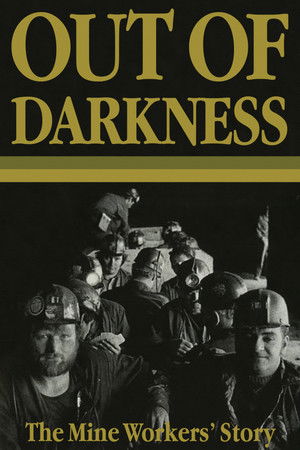
OUT OF DARKNESS: THE MINE WORKERS' STORY is a documentary by Academy Award-winning director Barbara Kopple (HARLAN COUNTY, USA). Historical film footage and photographs are integrated with first-hand accounts of UMWA history and of the Pittston strike of 1989-90.
Deep underground, a coal miner and his young assistant make a discovery that slowly unravels the course of their bond. What was buried begins to surface and nothing will ever be the same.
A documentary that focuses on the craftspeople who continue to make salt with a technique called Agehama-shiki that has been passed down since ancient times, and the lush natural environment of the northernmost tip of the Noto Peninsula in Ishikawa Prefecture. It is also the feature-length debut of director Ishii Kaori. The process of making salt by collecting sea water and boiling it in a hiragama cauldron temporarily died out during the period of Japan's rapid economic growth following World War II, but one family's efforts to keep it alive has miraculously ensured its continuation. Salt is a vital element of people's lives. The saltmaking artisans who perpetuate their traditions represent a way forward for those of us living in this modern age.
A Vietnamese immigrant mother and daughter in the US argue over how to honor the late patriarch as they shop for his second death anniversary, and inadvertently involve a handsome stranger at the local Asian supermarket.