How were the giant stone heads of Rapa Nui – also known as Easter Island – carved and raised, and why? Since Europeans arrived on this remote Pacific island over 300 years ago, controversy has swirled around the iconic ancient statues and the history of the people who created them. Now, a new generation of researchers is overturning old theories, revealing the rich history, innovation, and resilience of the Rapanui people, and uncovering intriguing new evidence about where they – and their practice of monumental stone building – came from.
Dans la peau des premiers paysans français
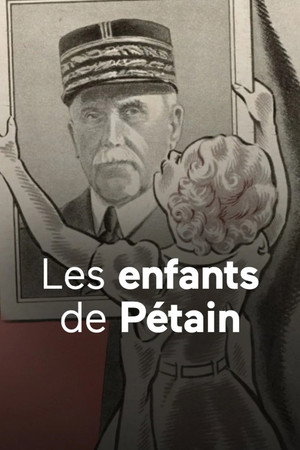
Les enfants de Pétain
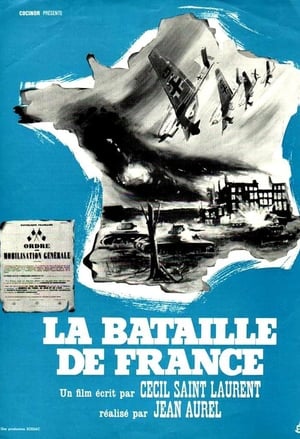
A montage of newscasts tracing the events of the "damned war" and the German invasion of 1940.
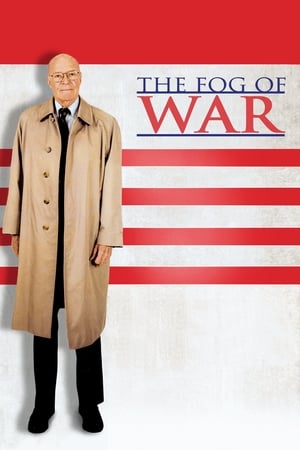
Former corporate whiz kid Robert McNamara was the controversial Secretary of Defense in the Kennedy and Johnson administrations, during the height of the Vietnam War. Augmented by archival footage and cabinet conversation recordings, Errol Morris gives the conflicted McNamara a platform on which he attempts to confront his and the U.S. government's actions in Southeast Asia in light of the horrors of modern warfare, the end of ideology and the punitive judgment of history.
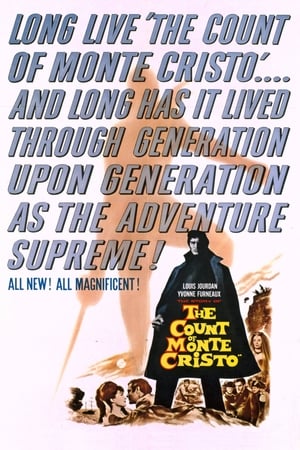
Young sailor Edmond Dantès is wrongfully imprisoned, escapes, finds treasure, and reinvents himself as the wealthy Count of Monte Cristo to exact revenge on those who betrayed him.
The story of two soldier-cameramen, Sgt Mike Lewis and Sgt Bill Lawrie, who witnessed the liberation of Belsen during the closing days of World War II.
More than 2.000 years ago, Narbonne in today's Département Aude was the capital of a huge Roman province in Southern Gaul - Gallia Narbonensis. It was the second most important Roman port in the western Mediterranean and the town was one of the most important commercial hubs between the colonies and the Roman Empire, thus the town could boast a size rivaling that of the city that had established it: Rome itself. Paradoxically, the town that distinguished itself for its impressive architecture, today shows no more signs of it: neither temples, arenas, nor theaters. Far less significant Roman towns like Nîmes or Arles are full of ancient sites. Narbonne today is a tranquil town in Occitania
De Gaulle, l'homme à abattre
The official solutions to the treasure hunt "On The Trail Of The Golden Owl" - the second longest treasure hunt ever organized - which has captivated thousands of researchers for over thirty years.
Thirty years after the release of his film JFK (1991), filmmaker Oliver Stone reviews recently declassified evidence related to the assassination of President John F. Kennedy, which took place in Dallas on November 22, 1963.
Jesse Owens et Luz Long : le temps d'une étreinte
Shortly before Christmas 1744, Vienna, the center of power in the Habsburg Empire, is the scene of a disastrous drama with repercussions for the whole of Europe. Against the spirit of enlightenment and tolerance, the very young Maria Theresa orders the expulsion of the allegedly disloyal Jews from Prague.
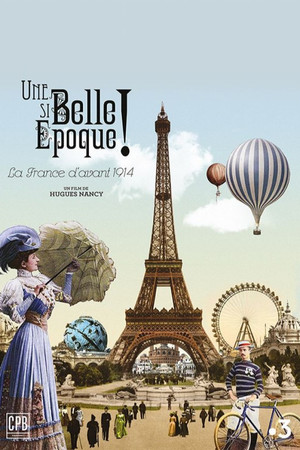
In 1900, the eyes of the whole world are on Paris. The World's Fair welcomed 50 million amazed visitors, and the city celebrated itself in a glamorous era. This period went down in history as the "Belle Époque." Elaborately restored and colorized historical photographs bring to life the exciting life in Paris between the end of the 19th century and the beginning of World War I in 1914. Bicycles, cars, airplanes, moving pictures, newly founded film studios, revolutionary composers and painters, avant-garde ballet performances, fashion houses, summer resorts on the Atlantic coast – life was intoxicating. People celebrate in the variety shows, cabarets, and revue theaters of Paris. Moulin Rouge, Folies Bergères, Bal Tabarin—in Paris, the nights are long and life is too short to sleep through. It is a dance on the volcano, given the political developments in the world.
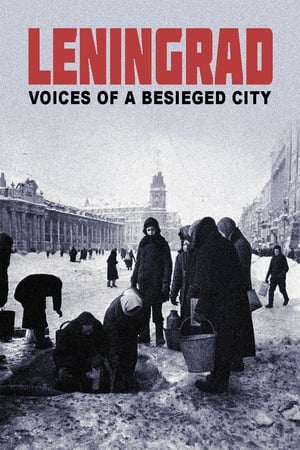
It was one of the great crimes of the Second World War: from 1941 to 1944, a total of 872 days, the siege and starvation of Leningrad by the German Wehrmacht on Hitler's orders lasted. Over a million people fell victim to the blockade, most of them dying of hunger. Countless of these starving people wrote diaries with the last of their strength, and cameramen filmed in the paralyzed city. Evidence from the hell of the siege, many of the film recordings, but above all the written memories on which this documentary on the occasion of the 80th anniversary of the liberation is based, remained under lock and key after the war. The voices of those who had suffered through this terrible time should not be heard by anyone, because they did not fit the pathos of the Leningrad heroic song that was officially sung. Most of the recordings come from women. The writers feared neither the enemy nor the Communist Party or Stalin, who often proved incompetent in providing for the population.
La vie au temps des gladiateurs
La vie au temps de Cro-Magnon
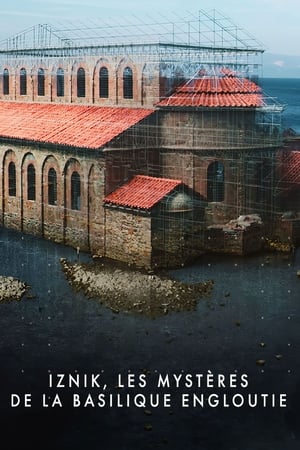
Iznik, les mystères de la basilique engloutie
Tour Eiffel : les 10 secrets de l'icône de Paris
Chine, la fabrique d'une nation