This documentary follows various migratory bird species on their long journeys from their summer homes to the equator and back, covering thousands of miles and navigating by the stars. These arduous treks are crucial for survival, seeking hospitable climates and food sources. Birds face numerous challenges, including crossing oceans and evading predators, illness, and injury. Although migrations are undertaken as a community, birds disperse into family units once they reach their destinations, and every continent is affected by these migrations, hosting migratory bird species at least part of the year.
Composed of serious and funny musical scenes, an exploration of the virtues of translation and desire for communication between humans and birds. Told by a narrator from the future, after the sixth mass extinction, an observation of the attempts made to establish a possible exchange.
The discovery of a giant crater in the floor of the Gulf of Mexico is a step closer to solving the question if an asteroid ended the age of dinosaurs.
The familiar landscapes of Cornwall take on brand new hues.
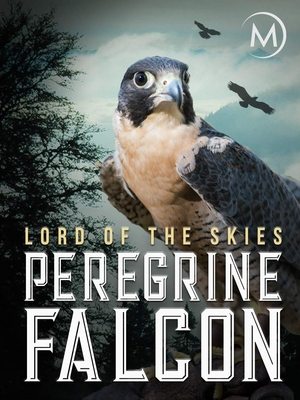
While hunting, the Peregrine Falcon can reach speeds of over 90 miles per hour. During its aerial displays, it holds the all-time speed record of 242 miles per hour. It's not surprising that this powerful bird of prey has conquered the planet and can be found on the five continents. Worshipped, dressed up and trained for prestigious hunts, this powerful and beautiful bird has long fascinated us.
They hammer, drum and construct – meet the master builders and percussionists of the bird world – and their tenants, like tits, pigeons and squirrels!
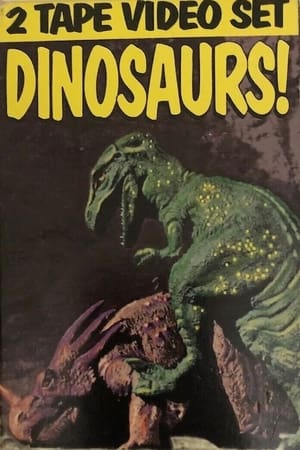
Dinosaurs Vs. Apes: DINOSAUR MOVIES and HOLLYWOOD GOES APE! have been hailed as the definitive documentaries on the prehistoric and anthropoid creatures that have appeared on the silver screen. Filled with rare movie clips, behind-the-scenes footage and interviews.
Les oiseaux de l'Est
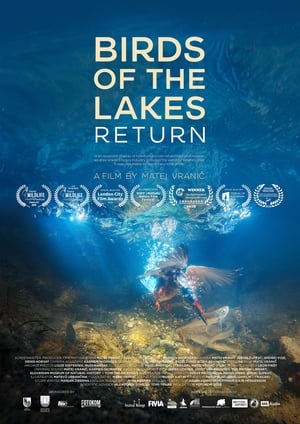
An excellent display of how humans can rehabilitate and restore an area where a heavy industry polluted the water so severely that it was unsuitable to sustain any kind of life. A a film showing how birds returned to an environment once devastated by industry. The lakes around the northern Slovenian town of Velenje, placed in the Central Europe, are geographic center of the film. They emerged as the land above the lignite mines subsided and the depressions were filled with water. The mines started operating at the end of the 19th century. In the mid 20th century a power plant was built that caused a severe pollution of the lake waters to the extent of the lakes not being fit for any kind of life. As a consequence many birds moved from these parts. After a long ecological restoration that started in the mid 1980s, life returned to the water. Gradually the birds returned as well, including some there were previously never observed in this area.
New scientific techniques are leading to startling discoveries about dinosaurs.
Documentary about the harpy eagle, which feeds on monkeys.
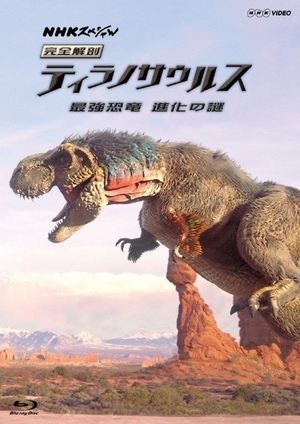
Complete Anatomy: Tyrannosaurus
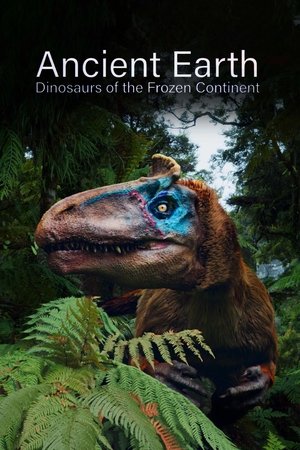
Les Dinosaures du pôle Sud
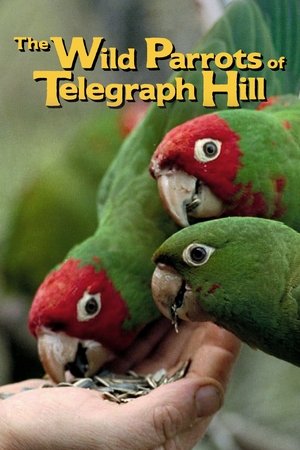
A homeless musician finds meaning in his life when he starts a friendship with dozens of parrots.
Right on the middle of the Indian Ocean, in the Seychelles archipelago, there still exists an island where the beaches are not inhabited by men but by birds : Cousin island. More than 250 000 birds live there, among giant tortoises and strange lizards.
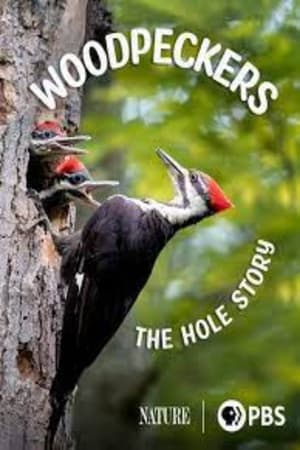
Go deep into the woods to explore the lives of a unique avian family. Woodpeckers come in 239 species and live on every continent except Antarctica and Australia, playing a powerful role in every ecosystem they inhabit. They come in all shapes and sizes, each uniquely engineered for their particular lifestyles.
A collection of trailers from various "B" dinosaur and creature movies spanning though out film history, but mostly focusing on the drive-in type films of the 1950's, 60's, 70's and early 80's.
Deep in Papua's tropical forests, the Northern Cassowary (New Guinea's largest native animal) remains an enigma—a creature rarely seen, yet vital to the ecosystem. Often regarded as dangerous, this large, flightless bird is crucial for forest regeneration through seed dispersal. With habitat loss and hunting threatening their survival, efforts to protect cassowaries are more urgent than ever.
After five years in the making, Carlo Ferraro presents this documentary on neotropical birds, with insights on flying, reproduction, and much more.
Portrait of Hermann Heinzel.