Since her debut at the age of 18, musician, civil rights campaigner and activist Joan Baez has been on stage for over 60 years. For the now 82-year-old, the personal has always been political, and her friendship with Martin Luther King and her pacifism have shaped her commitment. In this biography that opens with her farewell tour, Baez takes stock in an unsparing fashion and confronts sometimes painful memories.
Using testimonies by pioneers and witnesses of the times, delve into the feverish visual culture the media generated – with far-fetched examples of canine television games, seduction manuals, aerobics class while holding a baby, among others.
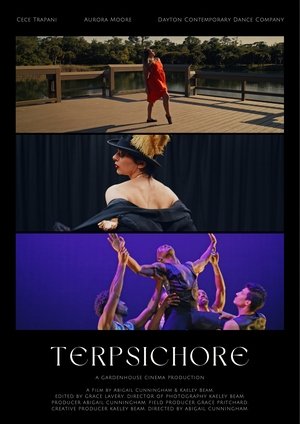
Terpsichore is a captivating exploration of dance as an art form, illuminating the passion, discipline, and vulnerability that transform movement into poetry. The documentary follows three distinct yet interconnected artists: Cece Trapani, an Irish dancer; Aurora Maur, a burlesque performer; and the Dayton Contemporary Dance Company (DCDC), a renowned contemporary dance ensemble. Through their stories, Terpsichore reveals the universal language of dance—one that transcends genre and speaks to the depths of human emotion. Intimate interviews and behind-the-scenes rehearsal footage offer a raw, unfiltered look at the artistry behind each performance, capturing the essence of dance as both personal expression and a bridge between artist and audience. More than a showcase of technique, Terpsichore delves into the soul of movement, celebrating its power to connect, inspire, and reveal the unspoken truths of the human spirit.
Marzena Sowa is a quintessential contemporary European: independent, aware of how the world works—or should work—and single. After her mother’s death, she is consumed by longing and sets off for her distant homeland, a Polish village where her beloved aunt Niuszka—an embodiment of joie de vivre and peace with herself—lived her entire life under the heavy weight of patriarchy. The film becomes a collision of social models, resolved with an open ending.
A documentary on the last remaining Blockbuster Video in Bend, Oregon.
A video store clerk showcases clips from Z-grade horror movies to curious customers.
Growing up, I heard many tales of my grandmother's life, before she was known as Mimo, and each narrative she told stuck with me and still impact my thinking to this day. I wanted to celebrate Mimo's wisdom and character, as well as capture the extraordinary within the ordinary. Hopefully I can inspire others to reflect on their own relationships with their elders and the untold stories that shaped their lives.
Four "seduction ads" placed on cable TV stations invite unexpected responses. This short film is about fantasy and desire in a mediated world.
A filmmaker embarks on a journey to his ancestral homeland, seeking to reconcile his present reality with the depths of his ancestral past.
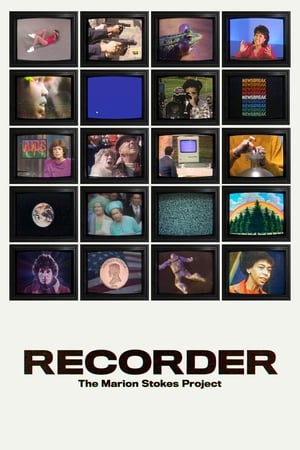
Marion Stokes secretly recorded television 24 hours a day for 30 years from 1975 until her death in 2012. For Marion taping was a form of activism to seek the truth, and she believed that a comprehensive archive of the media would be invaluable for future generations. Her visionary and maddening project nearly tore her family apart, but now her 70,000 VHS tapes are being digitized and they'll be searchable online.
Through letters, diaries and personal testimonies, an account of the complexity and variety of experiences of LGBT Italians during the Fascist dictatorship of Benito Mussolini (1922-43); intimate words that contrast with the lyrics of popular songs and the propaganda of the time, obsessed with extolling the myths of virility, femininity and motherhood and constrained by sexual repression.
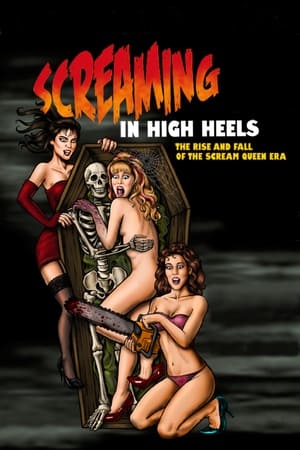
Three girls living in Los Angeles, CA in the 1980s found cult fame when they "accidentally" transitioned from models to B-movie actresses, coinciding with the major direct-to-video horror film boom of the era. Known as "The Terrifying Trio," Linnea Quigley (The Return of the Living Dead), Brinke Stevens (The Slumber Party Massacre) and Michelle Bauer (The Tomb), headlined upwards of ten films per year, fending off men in rubber monster suits, pubescent teenage boys, and deadly showers. They joined together in campy cult films like Sorority Babes in the Slimeball Bowl-a-Rama (1988) and Nightmare Sisters (1987). They traveled all over the world, met President Reagan, and built mini-empires of trading cards, comic books, and model kits. Then it all came crashing down. This documentary remembers these actresses - and their most common collaborators - on how smart they were to play stupid
An insightful documentary that offers a comprehensive exploration of the lesser-known facets of Donald J. Trump. "The Man You Don’t Know" features interviews with prominent figures, including Donald Jr., Kimberly Guilfoyle, Eric and Lara, and granddaughter Kai. Their candid reflections, combined with perspectives from long-time friends, business partners, and notable personalities such as Hulk Hogan and Kyle Forgeard of the Nelk Boys, provide an intimate glimpse into Trump’s character. The documentary will also highlight stories from everyday Americans who have felt the impact of Trump's generosity.
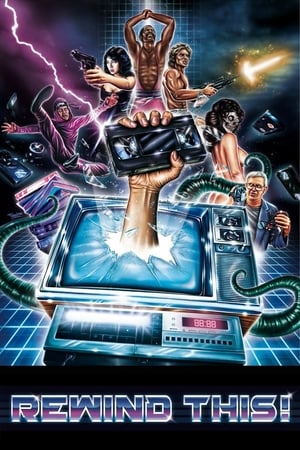
Home video changed the world. The cultural and historical impact of the VHS tape was enormous. This film traces the ripples of that impact by examining the myriad aspects of society that were altered by the creation of videotape.
Boire
An atypical portrait of singer, songwriter, poet Georges Brassens.
The highly anticipated follow-up to their critically acclaimed VIDEO NASTIES: MORAL PANIC, CENSORSHIP & VIDEOTAPE documentary, director Jake West and producer Marc Morris continue uncovering the shocking story of home entertainment post the 1984 Video Recordings Act. A time when Britain plunged into a new Dark Age of the most restrictive censorship, where the horror movie became the bloody eviscerated victim of continuing dread created by self-aggrandizing moral guardians. With passionate and entertaining interviews from the people who lived through it and more jaw dropping archive footage, get ready to reflect and rejoice the passing of a landmark era.
In the sixties, Swedish filmmaker Ingmar Bergman (1918-2007) built a house on the remote island of Fårö, located in the Baltic Sea, and left Stockholm to live there. When he died, the house was preserved. A group of very special film buffs, came from all over the world, travel to Fårö in search of the genius and his legacy. (An abridged version of Bergman's Video, 2012.)
Con Traje y Sin Zapatos
A mother wants to tell her daughter her opinion via video, but because she is untrained in using the new technology, she returns to the familiar letter form.