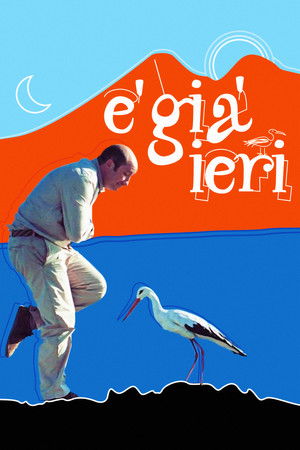
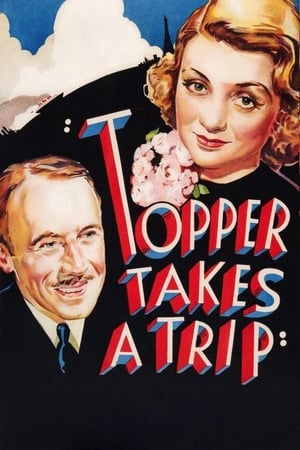
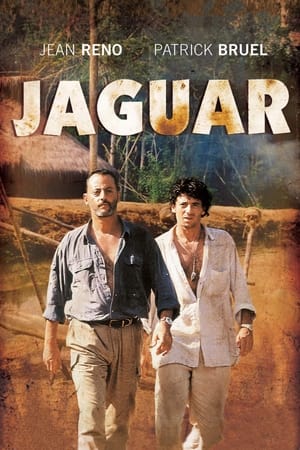
An unexpected visit from an old friend and a protracted tea party disrupt the amateur musician's plans to take his life.
Ловец жемчуга
After losing their parents, the brother and sister are trapped in a space where each day repeats the pain. Oresya keeps Lukyan under control, fearing losing him just like everything else. The arrival of Katya, a stranger who awakens physical desire in him, disrupts the fragile balance. Lukyan finds himself facing a choice he neither expected nor sought.
Я призналась в любви взрослой женщине. Самый тяжелый разговор в моей жизни
Херня
Как Глупый Фермер Застрелил Головореза
A young Nigerian student and poet, abused and neglected by his cruel stepmother, finds solace in friendship. His wrongful arrest tests his resilience. A story of survival and redemption.
Bobbing around on Mediterranean waters aboard the Ocean Viking, aid workers from the French relief service SOS Méditerranée gaze at the horizon. Is that a rubber dinghy in the distance, or is it garbage? The organization sails up and down the Libyan coast looking to pick up refugees in boats. On board is a 30-strong team ready to offer help and support refugees with their asylum applications.
32 contestant hunt down a single targert in a manhunt across Glasgow.
In a journey from the mountains of southeastern Mexico to the northern border with the United States, Subcommander Marcos and the people of Mexico trace the forgotten face of a country. A celebration of the struggle for land and dignity.
Camelamos naquerar (We Want to Speak) is an adaptation of the theatre play of the same name which was born out of a collaboration between Romani poet and university professor José Heredia Maya and Romani flamenco dancer and choreographer Mario Maya; the latter also performs in the piece, along with other artists. The title in Caló, the language used by Gitanos, translates as ‘we want to speak’, a revolutionary message that illustrates the efforts to reclaim a place in Spanish history for the Roma people and denounce the institutional injustice suffered by the community. It takes as its starting point the Pragmatic decrees signed by the Catholic Monarchs at the end of the fifteenth century, which heralded the long persecution of the Roma people, and continues right up to the twentieth-century Francoist laws.