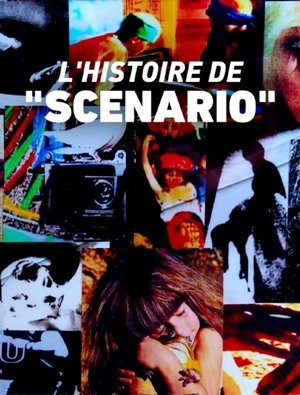
A final meeting with Jean-Luc Godard. This documentary shows the filmmaker preparing Scénario, his unfinished testamentary film, before closing with a moving scene: the final appearance of a genius driven to the very end by a love of cinema. Consists of Exposé du film annonce du film “Scénario” and Scenarios combined together for TV.
Emancipação e Primeiras Eleições - Historiando em Novo Barreiro
Impassivity and silence are Mads Mikkelsen's trademarks, and roles without reply his specialty. His sculptural allure is such that his mere presence takes on a dramatic dimension. For him, everything starts with the body. It's his main working tool, which he shapes and engages for each film. For the majority of world audiences, the Danish actor remains associated with his "villain" characters in Hollywood blockbusters - Casino Royale, Doctor Strange, Hannibal, Fantastic Beasts... Yet he finds with uncommon ease a balance between major American film franchises and more modest, confidential independent films. If the actor manages to move from one universe to another without being stereotyped, it's because he has a very physical - thanks to his former career as a gymnast - and pragmatic approach to his art.
Sardou, autoportrait
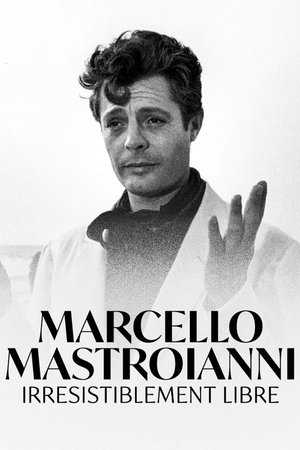
The 1960s opened with La Dolce Vita by Federico Fellini and its unforgettable lead: Marcello Mastroianni. The actor seemed to glide effortlessly through his roles — and through life — as if to say that life is not all that serious, or perhaps that it is far too serious not to be laughed at. But what kind of man was hiding behind the actor with the handsome, boyish looks, who appeared so gentle and nonchalant?
Documentary on Antoine de Caunes, a French television presenter, comedian, actor, journalist, writer and film director.
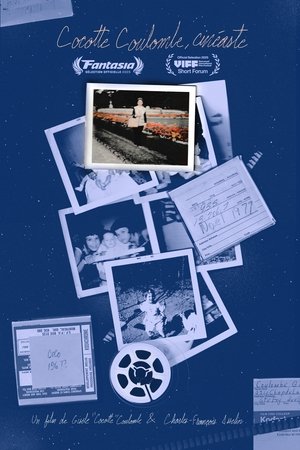
One hundred years of the cinematic memory of a small country told through motion graphics. A brief tour of previously unseen images and forgotten fragments of Costa Rican cinema, which, amid state efforts and industrial ambitions, prevailed throughout the 20th century.
Jean-Pierre Bacri was never happy about anything. But beyond the caricature of the grumpy man, from his apprenticeship years to his death in January 2021, this film tells the story of this quintessential Frenchman: a man turned towards others, an actor by accident, a moralist by vocation, who was left unaffected by flattery and false honors by success, and ready for all kinds of anger when it was necessary to speak out against injustice and stupidity. The film tells the story of how Jean-Pierre Bacri's life changed several times: from Algeria to France when he was eleven years old in 1962; from bank clerk to apprentice theater actor; from Pieds-noirs film star to screenwriter for Alain Resnais; and from Cannes playboy to Agnès Jaoui's mad lover, the most decisive encounter for his life as well as for his work
Bandits, Bandits, Brazil, Munchausen, Twelve Monkeys, not to mention the crazy Monty Python saga... With their visual extravagance and ever-fresh originality, amplifying his vision of a humanity that is as disturbing as it is comical, his films have made history. In the same baroque, zany, but also tragic vein, Terry Gilliam's work and life merge into an adventure that borders on the epic.
The antithesis of the virile heroes of his era, James Dean shook up the representation of adolescence and masculinity in three films shot in 1955, the same year he died in a car accident at the age of 24—exactly seventy years ago: Rebel Without a Cause, East of Eden, and Giant. This meteoric rise made him an instant icon, frozen in eternal, rebellious youth, which still resonates strongly today.
In his second international bestseller, "Arc de Triomphe," author Erich Maria Remarque explores his own experience of exile and his decisive encounter with Marlene Dietrich. From Paris and Antibes to Los Angeles and New York, the documentary traces the moving genesis of this highly autobiographical novel, now considered a major work of European exile literature, and the literary legacy of the long-standing passion between two global stars.
At his cinema in Rome, the Nuovo Sacher, Nanni Moretti anxiously oversees preparations for the premiere of the film Close-up, by Iranian director Abbas Kiarostami. Meanwhile Disney's The Lion King is taking Italy by storm.
Singer, dancer, and actress, Liza, daughter of Vincente Minnelli and Judy Garland, with whom she had a close relationship, made a name for herself on Broadway and in Hollywood with her unique voice and flamboyant style. A sensitive portrait of the unforgettable Sally Bowles from Cabaret.
Divas
In the summer of 1975, the young director Steven Spielberg set new standards for cinema worldwide with an oversized shark bite, a plastic shark fin and an unmistakable two-note main theme composed by John Williams. With the horror from the deep, a man-eating, gigantic great white shark, the film of the same name became a similarly traumatic reference as Alfred Hitchcock's "Psycho": it triggered lasting primal fears across generations. On the beaches of the world, there was clearly a "before" and an "after". Steven Spielberg, who was only 28 at the time, not only set new standards for the thriller genre, but also hid his biting criticism of US capitalism in the 1970s behind it.
For millions of viewers, Peter Falk is Columbo. Despite playing the quintessential blue-collar TV detective of the '70s and '80s, his early career is rarely explored. Using archive footage, interviews and extracts from his films and the TV show, the documentary pays tribute to the immortal character of Columbo, while shedding light on the actor’s life, one full of twists and turns, ups and downs.
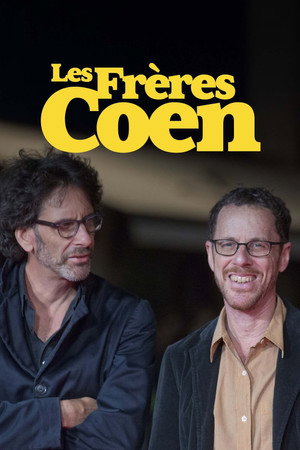
Tracing the careers of these two cinema enthusiasts, this documentary reveals the secrets behind the work of Ethan and Joel Coen, screenwriters and directors who are interchangeable within the same two-headed entity. It features fascinating, previously unseen interviews with some of the most iconic actors from their filmography.
A documentary exploring Saudi Arabia's hidden film culture, following movie lovers who grew up without theaters in the 1980s and uncovering the nation's pre-1979 cinematic history through pioneers who kept their passion alive.
This documentary looks back on a career of a woman who, very early on, refused to accept the roles assigned to her. In the 1980s, while others were trying to please, she wrote "Les hommes préfèrent les grosses" (Men Prefer Fat Women), a manifesto ahead of its time, funny, feminist, and blunt. Later, with "Gazon maudit" (Damned Grass), she tackled homosexuality with a freedom that is still shocking today.
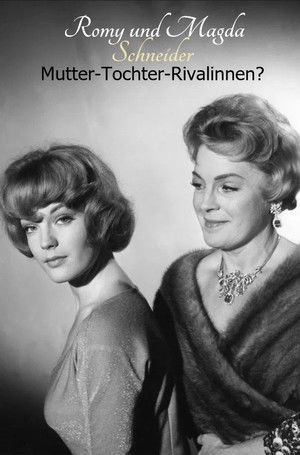
New light is shed on the complex relationship between Romy Schneider and her mother Magda, a German film star of the 1930s admired by Hitler - who welcomed her and her daughter to his chalet in Berchtesgaden.