Those who do not know the Sahara think there is only sand in the desert. But in the desert there are children who play and draw and make movies, and who would like to not have to think about the war. In the desert there's a European colony, an occupied country called Western Sahara, where there are thousands of Sahrawi refugees living a hard life in exile. "Little Sahara" tells their story, the story of a supportive, resilient people who try to thrive and grow in the Hamada, where everything has a hard time growing.
A film about the Tibetan Freedom Concert in San Francisco in 1996.
Angdu is no ordinary boy. Indeed, in a past life he was a venerated Buddhist master. His village already treats him like a saint as a result. The village doctor, who has taken the boy under his wing, prepares him to be able to pass on his wisdom. Alas, Tibet, Angdu’s former homeland and the centre of his faith, lies far away from his current home in the highlands of Northern India. On top of that, the conflict between China and Tibet makes the prospect of a trip there even more daunting. Undeterred by these harsh facts, the duo set off for their destination on foot, accompanied by questions of friendship and the nature of life. With its narrative approach steeped in a serene sense of concentration, this documentary film, composed over a period of eight years, stands as a fundamental experience in its own right.
The documentary focuses on the annual Mani Rimdu festival of Tibet and Nepal, an event which encapsulates the Himalayan Buddhist experience.
The documentary film "There is no turning back" by Stéphane Kleeb tells the story of the Tibetan siblings Losang and Dechen Barshee, who came to Switzerland as refugee children in 1964. After a difficult childhood in various foster families, they return to Tibet with their mother 40 years later. This journey confronts them with the alienation from their mother and their changed homeland. The film addresses homelessness, uprooting and lost dreams.
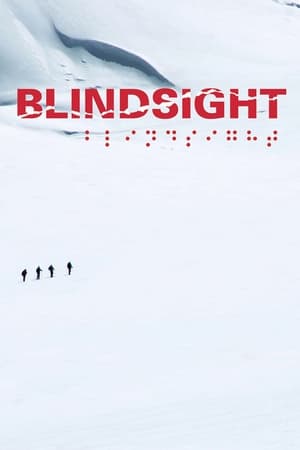
Six blind Tibetan teenagers climb the Lhakpa-Ri peak of Mount Everest, led by seven-summit blind mountain-climber Erik Weihenmayer.
‘Under the Weight of a Waking Dream’ is Zefier's debut swan song to the ending year. Comprised of poetry and endless enumerations is a diaristic film chronicling the lessons and contradictions found throughout the human experience.
Traditional games, dancing and music among the people of Sikkim - in vivid colour.
Four men from a nomadic Tibetan tribe undertake their annual, ritualistic pilgrimage to a sacred salt lake. Salt gathered in this traditional fashion will be sold to provide the economic livelihood of the tribe for the coming year. The journey, necessary for the group's survival, also incorporates a number of rituals necessary for their culture to survive in the modern world.
A documentary film about Tibetan traditional medicine.
Cat experts dive into the mind of the feline to reveal the true capabilities of the pouncing pet in this captivating and cuddly documentary.
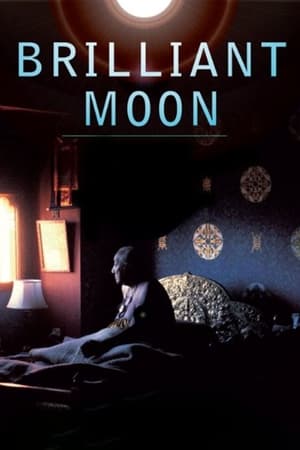
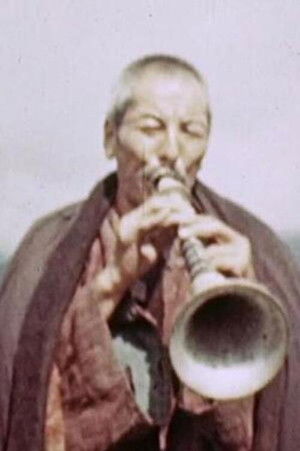
Brilliant Moon chronicles the life of the writer, poet, and meditation master Khyentse Rinpoche, one of Tibet's most revered 20th-century Buddhist teachers. Spiritual guide to His Holiness the Dalai Lama and the Royal Family of Bhutan, his life and teachings were an inspiration to all who encountered him. Richard Gere and Lou Reed provide the narration for his dangerous journey out of China, the subsequent spread of his influence and the search for his reincarnation after his death.
In their vehicle, Laurie, Kristy and Linda live alone on the American roads. Like thousands of modern American nomads who can no longer afford to pay for their housing. With no money to spare, these three sixty-year old women are fleeing, in their own way, a part of their history that has left a deep mark on them. Driving away, they try to regain some form of peace. But as the miles and seasons pass, despite their impressive temerity and resilience, their quest for a better future is challenged by unexpected events that hit a country in crisis. Will they nevertheless manage, at the end of the road, to find the serenity they are looking for, in order to become someone again?
Artem loves Yulia, Yulia loves Artem. They recently graduated from school, moved to Moscow and began an independent life. In search of part-time jobs, Artem comes up with the idea of creating another image from Yulia - Eva Elfie - and making an amateur video for Pornhub. Suddenly, the video becomes popular, Eva gets more and more job offers, and Artem becomes the boyfriend and producer of a world celebrity. The heroes seem to fall into the "American dream", but in their personal lives there are more and more problems and doubts.
Filmed over twenty years, Tibetan Buddhist Master Choogyal Namkhai Norbu watches as his western-born son, Yeshi, who was recognized at birth as the reincarnation of a famous spiritual master, considers departing from tradition to embrace the modern world.
CRAZY WISDOM explores the arrival of Tibetan Buddhism in America through the story of Chögyam Trungpa, who landed in the U.S. in 1970. Trungpa became renowned for translating ancient Buddhist concepts into language and ideas that Westerners could understand and shattered preconceived notions about how an enlightened teacher should behave. Initially rejected, his teachings are now recognized by western philosophers and spiritual leaders as authentic and profound.
In the Darhat valley in northern Mongolia, the horses of nomadic tribes are stolen by bandits who then sell them to Russian slaughterhouses. Shukhert, a brave horseman, relentlessly pursues them through the Mongolian taiga, bordering Siberia.
In a leafy forest, a Galician sovereign who longs to attain wisdom meets a sorcerer, who tells him: “Go back to your country and study the Earth and the Stars in the sky; anywhere in the world reflects an image of it. You will ride on this arrow, which you must keep for a hundred years and a day. After this time, stick it in the widest valley of all those you possess, with the tip facing the sky. Then the Moon will come and, just as it exerts its action on the waters of the sea, it will act on the arrow, turning it into a holy mountain." - Legend about the Pico Sacro Inspired by Hokusai's views of Mount Fuji and Cézanne's paintings of Mont Sainte-Victoire, "Pico Sacro [The Holy Mountain]" aims to reveal the mystery and the magic that underlie reality.
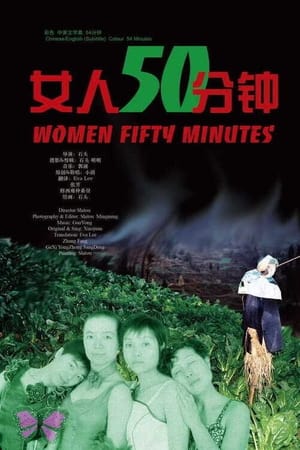
A representation of queer and feminist imagery that was mainly shot in the Qinghai-Tibetan Plateau, remote and developing areas in southwest China, and metropolitan cities like Beijing from 2000 to 2004 to document the social changes in contemporary China. The director sympathetically and erotically represents a variety of women, including women as laborers, women as prayers, women in the ground, women in marriage, and women who lie on the funeral pyre with their dead husbands. Her camera juxtaposes the mountains and rivers in old times, the commercialized handicrafts as exposition, the capital exploitation of the elders’ living space, and the erotic freedom of the young people in a changing city.
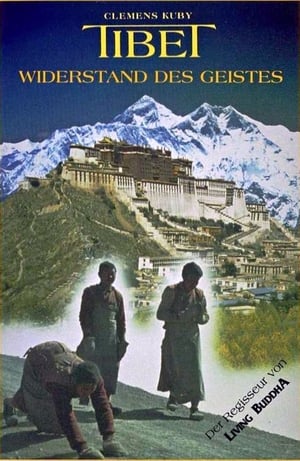
Eleven Tibetans prostrate themselves every few steps during a 1,200-mile pilgrimage that lasts for seven months.