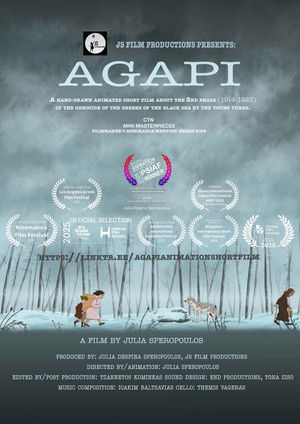
1914-1923 marked the 2nd phase of the Genocide of the Greeks of the Black Sea by the Young Turks. Agapi, her family, and the whole village’s Greek population are forced out of their homes and into a march in the snowy forest for 40 days. Will they survive the ordeal? A hand drawn animated film with over 10,000 drawings that took more than 3 years to make by Julia Speropoulos.
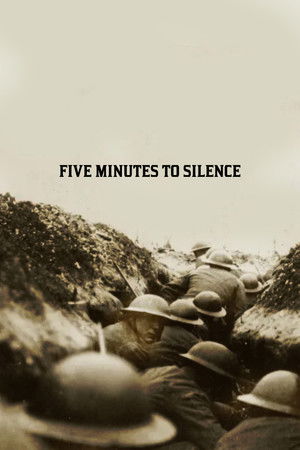
Before the Armistice of WW1, a weary veteran reluctantly takes it upon himself to stop a young recruit from jumping the trench to enemy lines.
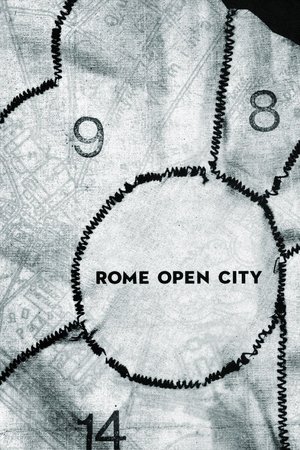
During the Nazi occupation of 1944 Rome, Resistance leader Giorgio Manfredi is pursued by the Nazis as he seeks refuge and a means of escape.
A German submarine hunts allied ships during the Second World War, but it soon becomes the hunted. The crew tries to survive below the surface, while stretching both the boat and themselves to their limits.
Secret Courage: The Walter Suskind Story
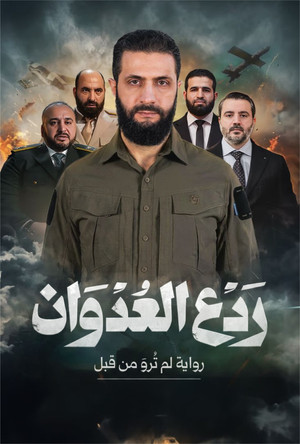
Untold stories from the frontlines of the 'Deterring Aggression' battle. This documentary chronicles the ten decisive days preceding the operation, casting light on a political milestone that catalyzed the liberation of Syrian lands and signaled the dawn of a new era of hope.
2-channel film installation 'Die Last meines Namens', wherein Heydt deals with an unpleasant part of his own family history. Heydt’s great-grandfather was a member of the NSDAP and mayor of the small town of Haselünne in Emsland for almost 10 years during the Third Reich. Based on interviews with his grandfather and research in various archives, Heydt develops a personal perspective on the subject. The film deals with how we construct identity from oral retellings, how we process family histories, and how we can find current and personal points of access to German remembrance culture. At the heart of the work are two conversations with his grandfather Heinrich Heydt, recorded at different points in the research process. In them, the grandfather describes his memories of his father, the time, and the two reflect on the subject and the results of the research.
A WW1 soldier has to watch over another soldier whom he falsely accused of desertion and whom will executed at dawn for cowardice.
During the Nazi occupation of Poland, an acting troupe becomes embroiled in a Polish soldier's efforts to track down a German spy.
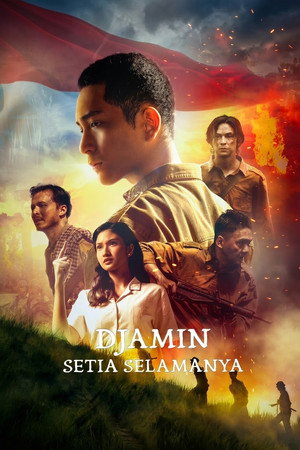
Educated under colonial rule, a determined young man from Tanah Karo enlists in a paramilitary unit under the false promise of liberation, ultimately rising to become a pivotal military strategist in North Sumatra's guerrilla defense while balancing acute domestic sacrifices with absolute duty to the nascent Indonesian Republic.
An alchemist musician. A couple in a war trench. In an apocalyptic future, these three characters will be meet to discover the origins of hatred and the art.
102 Years in the Heart of Europe: A Portrait of Ernst Jünger (Swedish: 102 år i hjärtat av Europa) is a Swedish documentary film from 1998 directed by Jesper Wachtmeister. It consists of an interview by the journalist Björn Cederberg with the German writer, philosopher and war veteran Ernst Jünger (1895-1998). Jünger talks about his life, his authorship, his interests and ideas. The actor Mikael Persbrandt reads passages from some of Jünger's works, such as Storm of Steel, The Worker, On the Marble Cliffs and The Glass Bees.
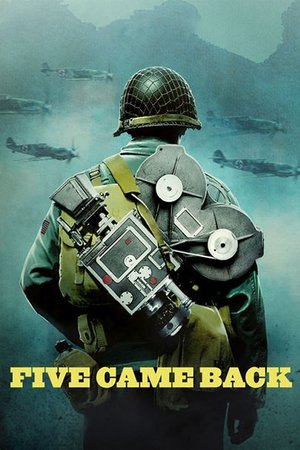
The extraordinary story of how Hollywood changed World War II – and how World War II changed Hollywood, through the interwoven experiences of five legendary filmmakers who went to war to serve their country and bring the truth to the American people: John Ford, William Wyler, John Huston, Frank Capra, and George Stevens. Based on Mark Harris’ best-selling book, “Five Came Back: A Story of Hollywood and the Second World War.”
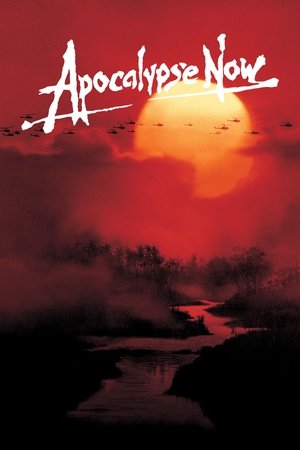
At the height of the Vietnam war, Captain Benjamin Willard is sent on a dangerous mission that, officially, "does not exist, nor will it ever exist." His goal is to locate - and eliminate - a mysterious Green Beret Colonel named Walter Kurtz, who has been leading his personal army on illegal guerrilla missions into enemy territory.
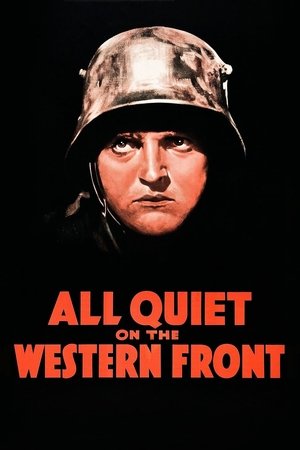
When a group of idealistic young men join the German Army during the Great War, they are assigned to the Western Front, where their patriotism is destroyed by the harsh realities of combat.
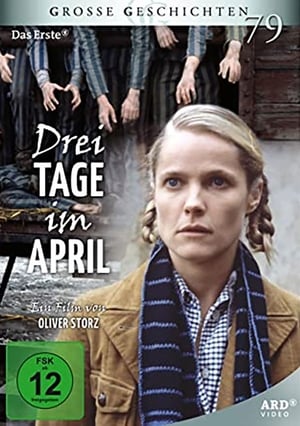
Shortly before the end of the war in 1945, the Allies can already be heard in Nesselbühl in Swabia when three freight cars are uncoupled at the station. The screams of the starving concentration camp prisoners inside can be heard throughout the village, but nobody dares to help them. Only the innkeeper's daughter Anna takes heart...
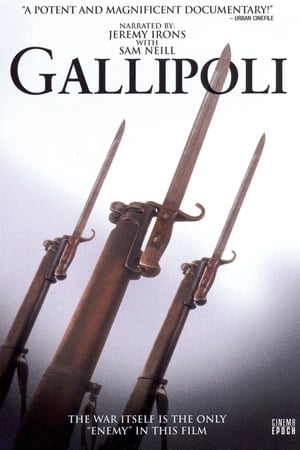
This program provides, through 1st hand accounts & contemporary films & photographs, a rare insight into what really happened. Together with meticulously researched stories, it provides a unique analysis of the Gallipoli campaign, including never-seen before interviews with the last 10 Gallipoli Anzacs, rare film footage showing the beach & trenches at Gallipoli.
The Gallipoli campaign of World War I was so controversial & devastating, it changed the face of battle forever. Using diaries, letters, photographs and memoirs, acclaimed director, Tolga Ornek, traces the personal journeys of Australian, New Zealand, British and Turkish soldiers, from innocence and patriotism to hardship and heartbreak.
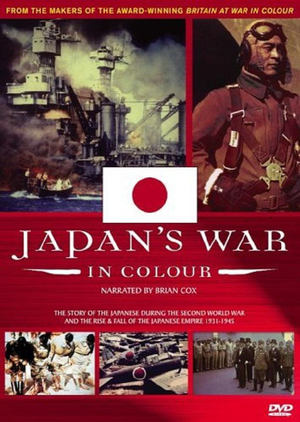
Using never-before-seen footage, Japan's War In Colour tells a previously untold story. It recounts the history of the Second World War from a Japanese perspective, combining original colour film with letters and diaries written by Japanese people. It tells the story of a nation at war from the diverse perspectives of those who lived through it: the leaders and the ordinary people, the oppressors and the victims, the guilty and the innocent. Until recently, it was believed that no colour film of Japan existed prior to 1945. But specialist research has now unearthed a remarkable colour record from as early as the 1930s. For eight years the Japanese fought what they believed was a Holy War that became a fight to the death. Japan's War In Colour shows how militarism took hold of the Japanese people; describes why Japan felt compelled to attack the West; explains what drove the Japanese to resist the Allies for so long; and, finally, reveals how they dealt with the shame of defeat.
As curfew approaches, an everyday heroine risks it all in a smuggling operation from Nazi-occupied Poland.