National Center for Lesbian Rights, winner of the San Francisco Foundation 2009 Community Leadership Awards (the John R. May Award), for its pioneering spirit and unwavering commitment to advancing the civil and human rights of LGBT people. Its precedent-setting case victories have rewritten laws to change the legal landscape for all LGBT people and families across the nation. Through litigation, public policy advocacy, and public education, NCLR advocates on behalf of LGBT people and their families nationwide. For 30 years, NCLR has been at the forefront of pursuing justice, fairness, and legal protections for all LGBT people.
Michael Franti, winner of the San Francisco Foundation 2009 Community Leadership Awards (the Helen Crocker Russell Award) - artist, activist, founder of Spearhead, for embodying a social movement of justice and activism and being a voice for the vulnerable. By founding the music groups Spearhead and the Disposable Heroes of Hiphoprisy, as well as the Power to the Peaceful festival, Michael built an underground movement to spread a message of social justice and advocated for underrepresented people. His recent film, I Know I'm Not Alone, highlights the human cost of war and empowers people to utilize their vote and recognize their collective power to impact American foreign policy.
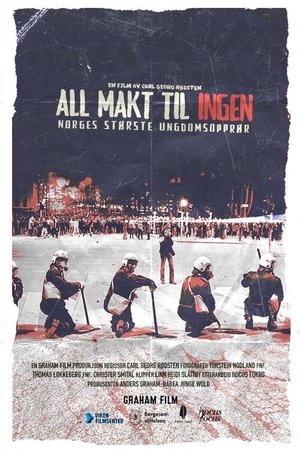
A documentary about political activism, rebellion, squatting, and the do-it-yourself attitude among young people on the eve of the 70s. This is the story of how Blitzhuset came to be. We interviewed those active during the uprising; the young people who were at the forefront, the politicians and the police who were supposed to keep the city clean of the excrements. This is an exciting documentary about an era that has been mystified and lived in the shadows for far too long.
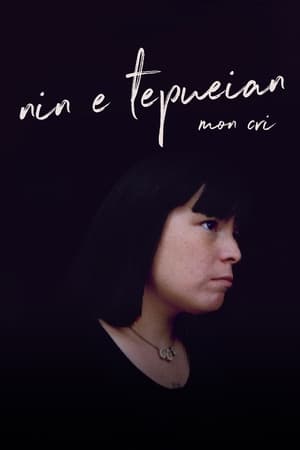
NIN E TEPUEIAN - MY CRY is a documentary tracks the journey of Innu poet, actress and activist, Natasha Kanapé Fontaine, at a pivotal time in her career as a committed artist. Santiago Bertolino's camera follows a young Innu poet over the course of a year. A voice rises, inspiration builds; another star finds its place amongst the constellation of contemporary Indigenous literature. A voice of prominent magnitude illuminates the road towards healing and renewal: Natasha Kanapé Fontaine.
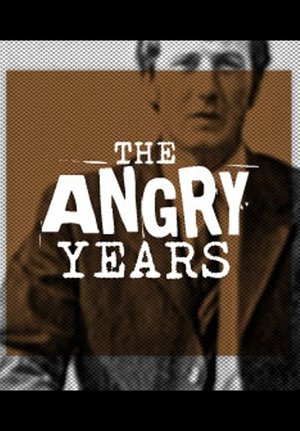
1970 marked the start of a bombing campaign by British urban guerrilla revolutionaries The Angry Brigade. Their targets, a bizarre mix, included the Miss World contest, Ford’s motor factory, the home of a conservative cabinet minister and the Biba department store. Following a two year hunt by the newly formed Special Branch, eight suspects were arrested, and following the longest trial in British criminal history, four young graduates were convicted of the bombings. The Angry Years tells the little known story of the Angry Brigade - contributors include Jake Prescott, ex Angry Brigade member, the journalist Paul Foot and the Special Branch detective credited with tracking the Angry Brigade down.
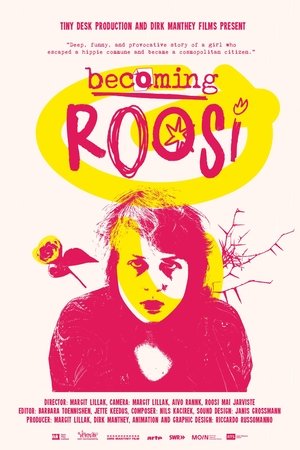
The filmmaker follows a girl, Roosi, for 10 years from age 8-18. She grew up as the child of an activist. She struggles to cope with climate grief and guilt. Roosi is torn between the path of activism and that of creativity and teenage ecstasy, while her complex and often tense relationship with her parents unravels. Struggling to find her place in the world, she navigates uncharted landscapes, revealing unlikely facets of contemporary cosmopolitanism through the eyes of a generation coming of age in an increasingly fluid reality.
In October 1995, Forbach witnessed one of the most violent strikes in the history of contemporary France. A thousand or so miners took to the streets for a merciless struggle against a reform in their rights. Twenty years after the mines shut down, people’s will to fight is still alive, just hidden away somewhere.
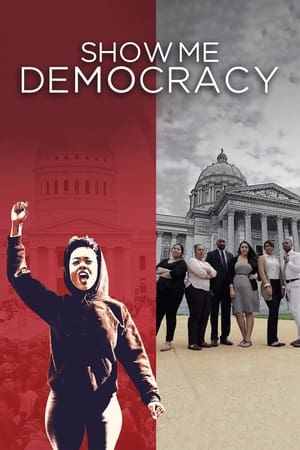
Amidst the storm of Ferguson, 7 St. Louis college students evolve into advocates and activists as they demand change through policy and protest
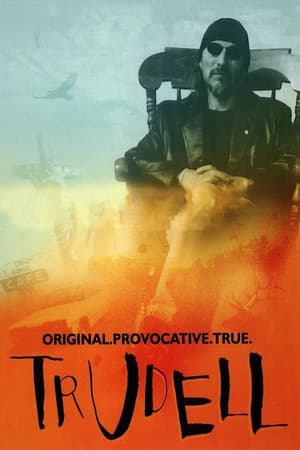
A chronicle of legendary Native American poet/activist John Trudell's travels, spoken word performances, and politics.
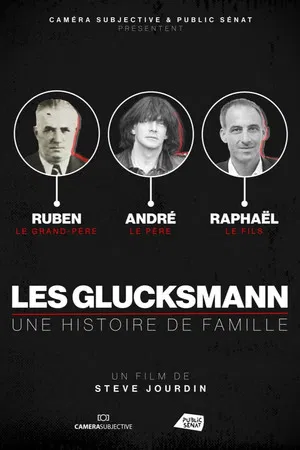
Les Glucksmann, une histoire de famille
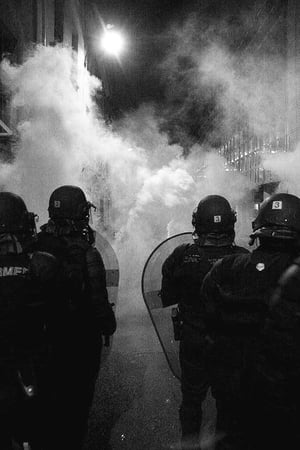
The left-leaning anti-fascist movement—or Antifa—has been around for decades, popping up in North America and Europe in response to rising white nationalist or fascist sentiments. Now, Antifa has made a resurgence in the US, where members clad in masks and nondescript black clothing physically confront groups of white supremacists and neo-Nazis who've started organizing in cities around the country.
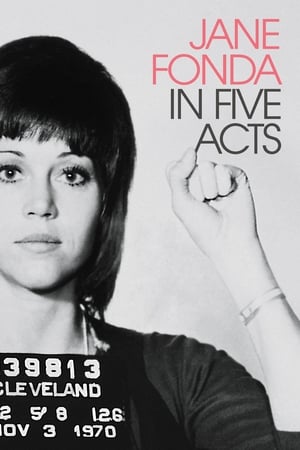
Girl next door, activist, so-called traitor, fitness tycoon, Oscar winner: Jane Fonda has lived a life of controversy, tragedy and transformation – and she’s done it all in the public eye. An intimate look at one woman’s singular journey.
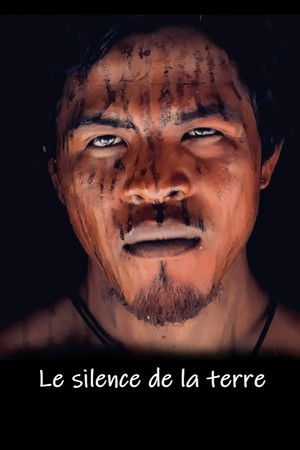
Le silence de la terre
In a refugee camp in the Sahara desert lives a deaf boy who wants to learn to write. Welcome to the silent world of Kori and his best friend the camel Caramelo.
This documentary film follows farmers and activists fighting together to stop the Indiana Enterprise Center, a mega-sized industrial park planned west of South Bend, Indiana
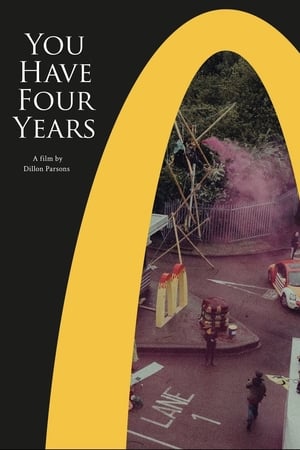
On the 22nd of May 2021, around 100 Animal Rebels shut-down all four McDonald's distribution centers across the UK. Shutting down their factories for a total of 96 hours and disrupting over 1300 of McDonald's restaurants across the country.
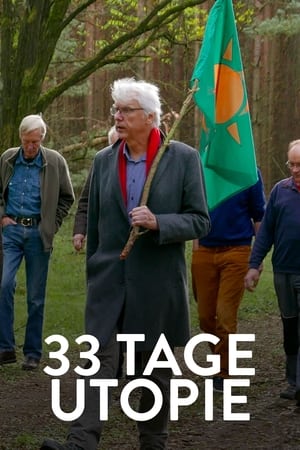
In May 1980, more than 800 people lived for 33 days near Gorleben in the protest camp ‚Free Republic of Wendland‘ and thus prevented for a short time drilling for the planned nuclear waste repository in the nearby salt dome.
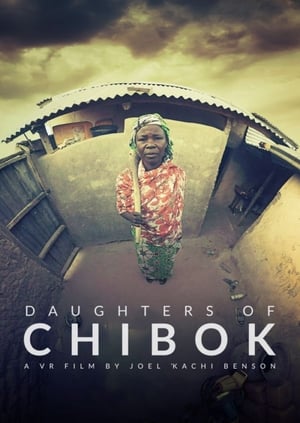
On April 14, 2014, the sleepy agrarian town of Chibok, in the North East zone of Nigeria, was thrust into the global spotlight when the terrorist group Boko Haram stormed the community at night and abducted 276 teenage schoolgirls from their dormitories. Daughters of Chibok deals with the aftermath of the kidnappings, and explores topical global issues of gender rights and the right to education.
El Centinela Insomne
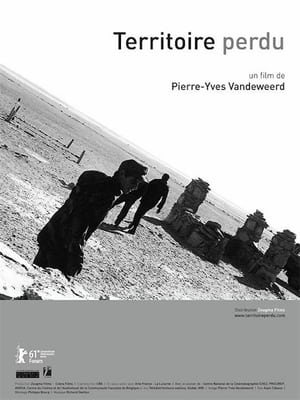
Straddling a 2,400-kilometer-long wall constructed by the Moroccan army, the Western Sahara is today divided into two sections — one occupied by Morocco, the other under the control of the Sahrawi National Liberation Movement’s Polisario Front. Drawing from stories of flight, exile, interminable waiting and the arrested, persecuted lives on both sides of that wall, this film bears witness to the Sahrawi people, their land, their entrapment in other people’s dreams. In an esthetic that sublimates the real, Lost Land resonates like a score that juxtaposes sonorous landscapes, black-and-white portraits and nomadic poetics.