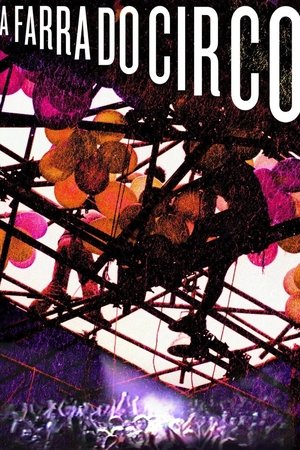
This documentary highlights the evolution of Brazil's Circo Voador venue from homespun artists' performance space to national cultural institution.
The film documents the old Rio de Janeiro and its great focus of diseases. Stresses the decisive importance of Oswaldo Cruz who creates Experimental Medicine in Brazil, believing that without sanitation, no undertaking could succeed. Rodrigues Alves then started the urbanization of Rio, against great interests.
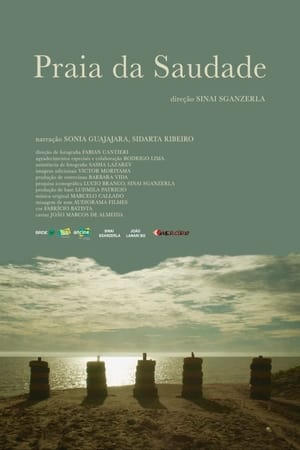
A documentary about climate change in Brazil, especially at Atafona Beach (in the Campos de Goytacazes region), which is being swallowed up by the sea. Narrated by Sonia Guajajara and Sidarta Ribeiro, the film deals with the genocide of the native people of Goytacazes.
From the 60's, the neighborhood of Pedra de Guaratiba, in Rio de Janeiro, was invaded by a varied artistic community.
Francisco lives alone in an apartment in Rio de Janeiro. A collector of antique wooden furniture – for which he has a great fondness – he brings with him great stories, from his childhood and youth to a brief journey into the past, gifting us with accounts and historical recollections of a life full of struggle and resilience.
How Do You See Me? is a Brazilian documentary feature that entwines both experienced actors and beginners to explore the hardships and the happiness that are inherent to the job when detached from the glam and glitz of the gossip industry, creating a diverse and comprehensive mosaic of what it means to be an actor in Brazil, a country so full of contradictions. The film brings forward a reality that the masses usually don't get to know: the men and women moved by a deep passion for acting and touching people. With Julio Adrião, Matheus Nachtergaele, José Celso Martinez, Cássia Kis, Nanda Costa, Babu Santana, Luciano Vidigal and Letícia Sabatella, among others.
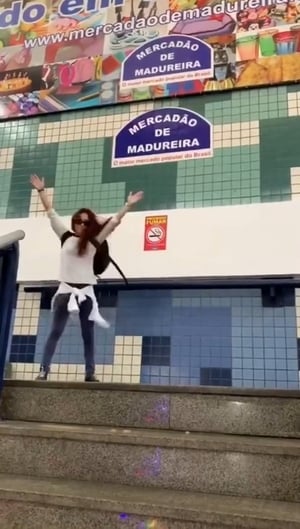
An livid and comic presentation of Madureira in Rio de Janeiro.
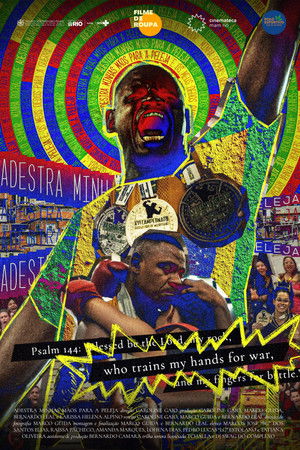
Founding a social Muay Thai project in the North Zone of Rio de Janeiro, Mestre BG and his competitors face the adversities of an underfunded project and fight to win their place on the podium. The challenges intensify when one of the students, Raíssa Pacheco, secures a spot to compete in a South American championship in Uruguay.
Video presentation of the Vito Giannotti Occupation, located in the port area of Rio de Janeiro. This video was produced as part of the Luta Pela Moradia No Centro Da Cidade project, a 4-year ethnographic research project comparing different models of social housing in the central region of Rio de Janeiro. It involves a team of 8 international researchers from 3 universities: Syracuse University (New York), King's College (London) and Universidade Federal Fluminense (Rio de Janeiro).
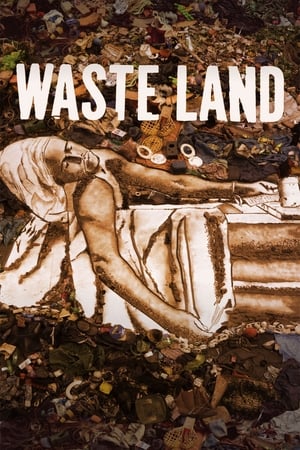
An uplifting feature documentary highlighting the transformative power of art and the beauty of the human spirit. Top-selling contemporary artist Vik Muniz takes us on an emotional journey from Jardim Gramacho, the world's largest landfill on the outskirts of Rio de Janeiro, to the heights of international art stardom. Vik collaborates with the brilliant catadores, pickers of recyclable materials, true Shakespearean characters who live and work in the garbage quoting Machiavelli and showing us how to recycle ourselves.
Legendary rock band Rush plays the Maracana Stadium in Rio de Janeiro, Brazil, on the final night of the band's 2002 Vapor Trails tour, in front of 40,000 fans.
O Grande Reset - Fatos Ocultos
Fenda
The Mangueira slum is the scenario where Tantinho and the old samba composers remember stories about the slums and samba.
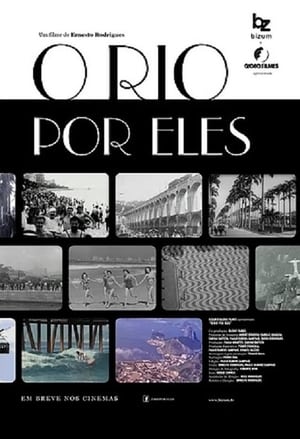
An unprecedented collection of pictures, characters and historical facts about the city of Rio de Janeiro, rescued by tv networks, documentary filmmakers and foreign journalists over the course of the 20th Century. The film reveals how Rio, its inhabitants and its cultural and natural attributes have been seen by foreigners. This is an opportunity to relive, through the eyes of a foreigner, social, political, technological and mundane events which Brazilians either did not manage to document audiovisually or whose works were lost.
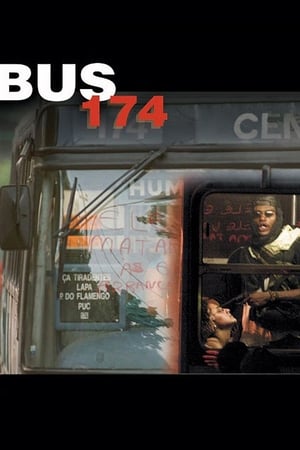
On 12 June 2000, in Rio de Janeiro, Ônibus 174 was taken by an armed young man, threatening to kill all the passengers. Transmitted live on all national networks, this shocking and tragic event became one of violence's most shocking portraits, and one of the most terrifying examples of police incompetence and abuse in recent years.
Esse curta não é sobre cinema
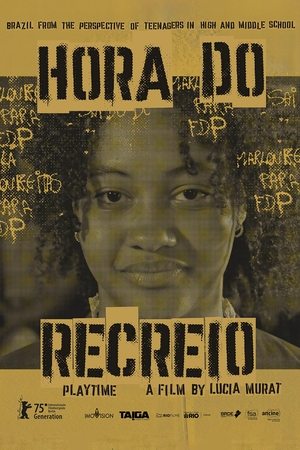
Brazil from the perspective of school pupils aged 14 to 19. Combining a documentary with a fictional approach, Hora do recreio addresses topics including violence, racism and drug dealing.
Joseph Wilson meets the dance teacher fighting transphobic violence through voguing in Rio’s favelas.
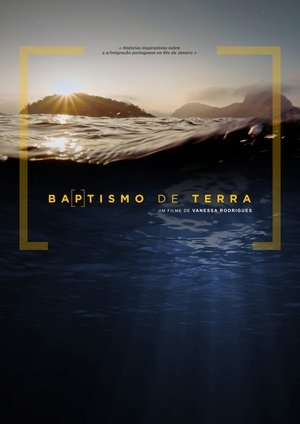
Baptismo de Terra