"Once you demand any rights...you are immediately arrested", Ahmed, a graduate says. As elsewhere, the Internet has become a key tool for getting information out of the country, with films and news posted to the web, bypassing the Moroccan state's censorship. Many believe Morocco must react quickly if it is too avoid a serious split and potential civil war. The Kingdom has indicated it is ready to change. Whether that will include independence for Western Sahara is yet to be seen.
This report was carried out clandestinely in the occupied territories of Western Sahara. In it testimonies are heard concerning the plunder of natural resources, the repression and the camp of Gdeim Izik. The report ends with the expulsion of the journalists by the Moroccan police.
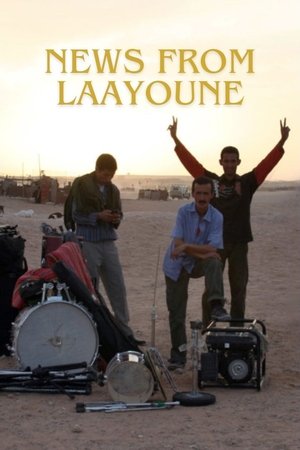
The film follows a couple of young boys in the Saharian refugee camp „February 27“ located in the bleak desert area of southwestern Algiers. One by one, they ran away from the occupied part of Western Sahara. Music is their only weapon in the everlasting struggle for freedom and independence of their own country – Western Sahara.
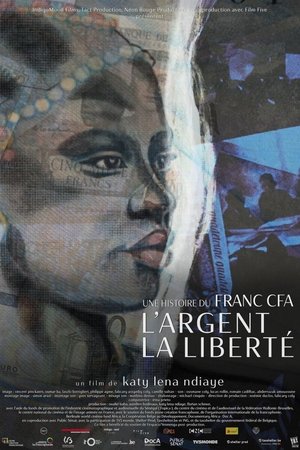
The former French colonies in Central and West Africa have been independent since 1960, but most of these countries still use the currency of the former oppressor: the CFA franc. It was linked to the French franc when it was introduced, so the national bank in Paris controlled monetary policy. Now the currency has a fixed exchange rate with the euro. The link with the European currency strongly influences the monetary policy of CFA countries. And that means the value of the CFA franc is defined by political decisions taken elsewhere, rather than by the domestic economy.
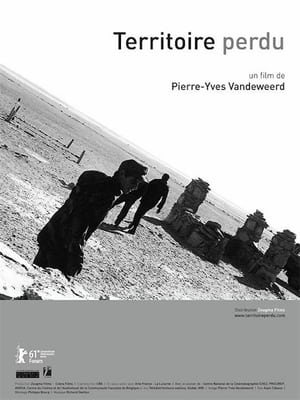
Straddling a 2,400-kilometer-long wall constructed by the Moroccan army, the Western Sahara is today divided into two sections — one occupied by Morocco, the other under the control of the Sahrawi National Liberation Movement’s Polisario Front. Drawing from stories of flight, exile, interminable waiting and the arrested, persecuted lives on both sides of that wall, this film bears witness to the Sahrawi people, their land, their entrapment in other people’s dreams. In an esthetic that sublimates the real, Lost Land resonates like a score that juxtaposes sonorous landscapes, black-and-white portraits and nomadic poetics.
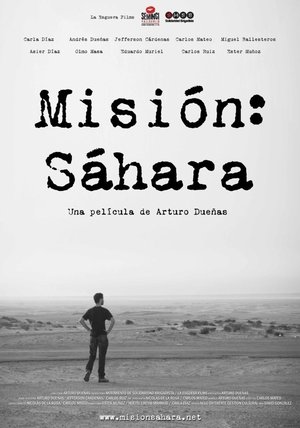
On 1976 twenty thousand Spaniards left the last European colony in Africa, and thousands of Saharawi’s are abandoned to their fate. Forty years have gone by and Western Sahara has become a forgotten conflict. This film offers an original point of view: the version of the conflict from the opposition to the regime within the occupying power, Morocco, and the odyssey of a group of young people to achieve these testimonies, while trying to reach the capital of the Occupied Territories, El-Aaiun.
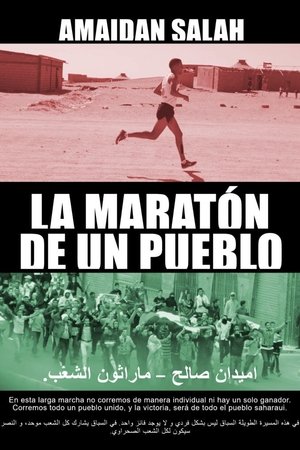
A documentary about the situation of the saharawi people in the refugee camps of Tindouf through the life and participation in the 2019 Sahara Marathon of the saharawi athlete and political refugee Amaidan Salah. An amateur documentary made using only a cellphone.
Tebraa is the song of the women of the Sahara desert. Songs of love or lamentation that they sing when they are alone. This collective documentary made by a group of Andalusian women tells the life and injustices that Sahrawi women experience in the adverse conditions of exile and in the occupied territories of Western Sahara.
The film, shot in the Saharawi refugee population camps, tells the story of a group of students from a film school who, for their final year project, decide to shoot on the Wall of Shame erected and mined by Morocco, in the middle of the current war that is being waged after the breaking of the ceasefire by the Alawite regime in November 2020.
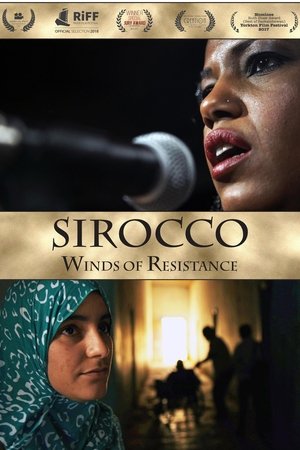
Drawing from the inspiration of their grandmothers, singer Aziza Brahim and activist Senia Abderhaman wrestle for the independence of their people from a brutal and corporate backed Moroccan regime using culturally derived methods of music, poetry, and nonviolent resistance.
This is the reality of women of the same nation who live divided by the wall that has separated them for 35 years now. Exiled Sahrawi women who live in the refugee camps in Tindouf (Algeria) have a 88% representation rate in teaching and in healthcare, and 9% in government, evidence that they are the fundamental pillar of society. The ones who remained in the occupied territories of Western Sahara are part of every aspect of the struggle and activism against Moroccan occupation. They protest at the intifadas, they research the plunder of their natural resources, they paint flags, write pamphlets and they belong to the organisations that defend Sahrawi human rights in Western Sahara. These women: former prisoners, formerly missing, activists, today are tortured, harassed, followed, surveilled and violated simply for defending their legitimate right to freely express themselves in favour of Western Sahara’s independence.
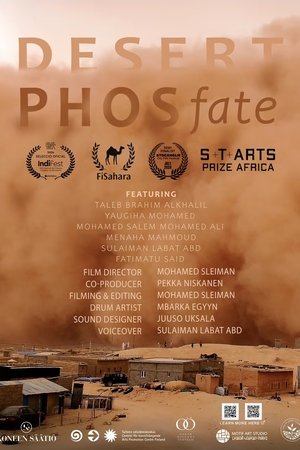
DESERT PHOSfate is an artist film that tells about the impact of phosphate on the Sahrawi community and its fate, including the surprising emergence of family gardens and their knowledge of how to farm in the desert without the processed phosphorus that had caused the dislocation of the Sahrawi nomads from their homeland of Western Sahara.
In May 2005, after 30 years of Moroccan occupation, Saharawi students initiated a series of peaceful demonstrations demanding their right to the United Nations-mandated referendum on Western Saharan independence. The Moroccan authorities responded with a brutal campaign of repression, detaining and torturing human rights activists as well as Saharawi students and children as young as eight years old.
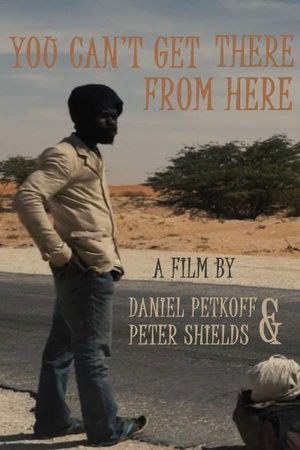
An international team of 4 friends undertake the Plymouth to Dakar Challenge a ‘banger rally’ which annually shadows the route of the Paris Dakar Rally. They acquire two old Mercedes vans and take a 3 week route through Spain, Morocco, Western Sahara, Mauritania, Senegal and Gambia. They arrange to transport prosthetic limbs for a Bristol based charity to a clinic in Gambia providing help to amputees. Interviewing a number of experts on the 30 year conflict between Morocco and the Saharawi natives, they arrange to meet with Saharawi ‘dissidents’ in the Western Sahara to expose their oppression by Moroccan authorities who they claim are occupying their land and profiting from their national resources.
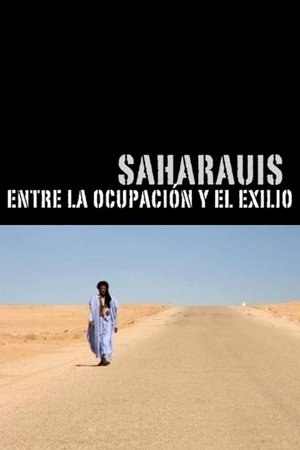
From a chronological perspective, “Saharauis, entre la ocupación y el exilio” (2010) explains the origins and key points of the Western Sahara conflict, especially since Spain handed over the territory to Morocco and Mauritania. Based on the interviews with the main people affected by the conflict, among others, this documentary shows the Sahrawi fight for survival in a society and a culture that have been able to prevail in occupied territory as well as in the refugee camps of Tindouf (Algeria).
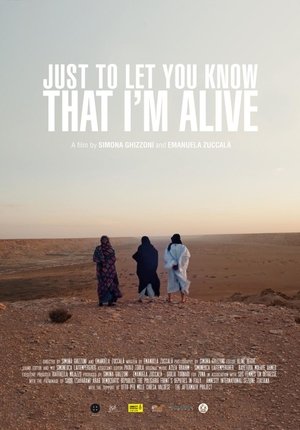
Enforced disappearances, torture, secret prisons, mass graves, no trial and no justice. The history of Western Sahara, the area south of Morocco with an as yet undefined political status, is marked by a dark sequence of human rights violations. And it’s still forgotten. The documentary tells the story of Sahrawi people through the voices of special women who’ve been victims of violence, both in Western Sahara and in the refugee camps in Algeria. Through their testimonies, diaries and old photographs, the movie reconstructs the history of Western Sahara from a female and intimate point of view.
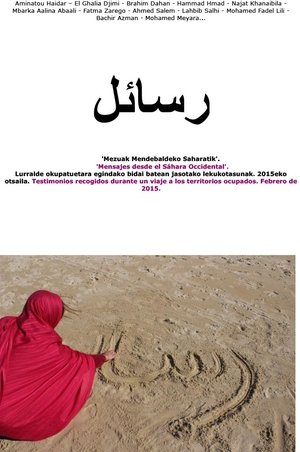
Stories of resistance, words of pain and suffering, tales of life and death, and in particular of dignity, that show the reality that the Sahrawi people experience in Western Sahara. This documentary gathers the testimonies collected during a journey to the occupied territories by an international delegation headed by the mayor of Donostia/San Sebastián, Juan Karlos Izagirre. Over the course of five days they held over twenty secret meetings with human rights activists, from home to home, constantly under watch by the Moroccan police. Despite living under an occupation that has lasted for almost 40 years, the Sahrawi people maintain their identity and culture. A revolutionary act, a struggle to defend their right to exist as a people.
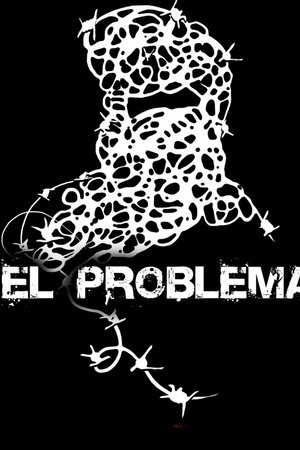
Morocco doesn’t want you to know what’s happening in the occupied territories of the Western Sahara. The Saharawi people live under constant threat. They can’t mention either the Western Sahara or “referendum”. The situation is known as “The Problem”. Foreign journalists who attempt to take pictures or shoot with a video camera in the Western Sahara are immediately expelled from this former Spanish colony. For Saharawis it means harsh repression from the Moroccan police, who intend to silence the Saharawi population. Welcome to the last colony in Africa. We visited this place. We spent four years compiling material and gathering testimonies from journalists and other professionals who know what’s really happening in the Western Sahara. All of it undocumented until now.
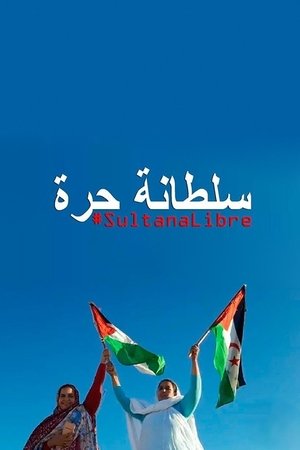
The documentary #FreeSultana, tells the story of a Sahrawi activist who has been under house arrest for a year with her entire family, without a court order. During this time, the Moroccan paramilitaries have destroyed her house, stoned, assaulted, raped, poisoned the Jaya sisters.
Siya, Dumaha, Mata and Aziz are Saharawi refugees that live in camps in Tindouf (Algeria). They show us the daily extreme harshness of an exile that lasts for 40 years. We can discover the unknown reality of torture, mines and maimed people, child malnutrition or mental illnesses that plague the Saharawi people, who are condemned to live away from their homeland.