A documentary that explores AIDS activism in Frankfurt, focusing on activists, affected individuals, and organizations fighting the epidemic, raising awareness, and advocating for policy changes. Directors Lou Deinhart, Evi Rohde, and Zoë Struif incorporate 1980s/90s theatre productions, news footage, and protest recordings into their research. Alternating between present-day encounters and historical media, they interview numerous witnesses, constructing a collage of diverse memories rather than a single narrative, highlighting grassroots movements' struggles, solidarity, and impact.
Jeunes, Militants et Sarkozystes
Positive Gymnastik
ALISON
Reveals an alternate history of the post-war world. This is a version of history where, in contrast to what we are all told, fascist ideology prevailed. The story of Klaus Barbie, Nazi torturer, American spy, tool of repressive right-wing regimes, is symbolic of the real relationship that the "Western" governments had with fascism and makes us see the world as it is today - and the politicians that inhabit it - in a different way.
Mark Patton sets the records straight about the controversial 1985 sequel to A Nightmare on Elm Street, which ended his acting career, just as it was about to begin.
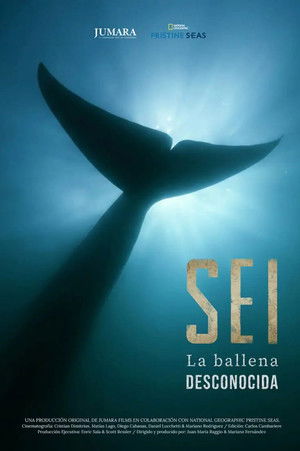
Sei La Ballena Desconocida
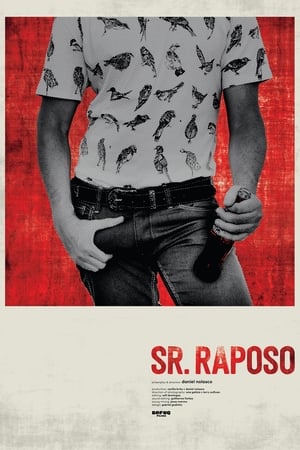
Sr. Raposo is a staged documentary about the daily life of Acácio, who found out he was HIV+ in 1995.
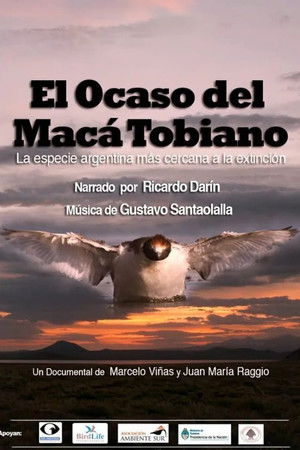
El Ocaso del Macá Tobiano
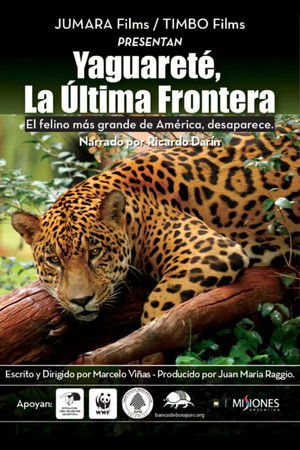
Yaguareté, la última frontera
Península Valdés: La Cuna de la Patagonia
Indigenous chief Juma Xipaia fights to protect tribal lands despite assassination attempts. Her struggle intensifies after learning she's pregnant, while her husband, Special Forces ranger Hugo Loss, stands by her side.
A night in Buenos Aires. Young people between sunset and sunrise, in search of trash, love, justice, a future. Four life lines cross but never touch each other. A portrait of a society in crisis.
Bachar à la ZAD
Bikes vs Cars depicts a global crisis that we all deep down know we need to talk about: Climate, earth's resources, cities where the entire surface is consumed by the car. An ever-growing, dirty, noisy traffic chaos. The bike is a great tool for change, but the powerful interests who gain from the private car invest billions each year on lobbying and advertising to protect their business. In the film we meet activists and thinkers who are fighting for better cities, who refuse to stop riding despite the increasing number killed in traffic.
In December 2001, in Buenos Aires, great crowds of people are heading towards the historic square Plaza de Mayo. Argentina, once amongst the richest economies in the world, has gone bankrupt. The government has resigned and Argentina’s president, Fernando de la Rua, flees from the presidential residency in a helicopter, amidst a storm of enraged people clashing with the police, breaking banks, looting super markets and shouting “Out with the lot of them!” The 2001 social explosion marked the end of a neoliberal economic model which lasted 10 years and left a toll of 35 deaths (murdered by the police and the private guards of the banks), 30,000 collateral damages (suicides, heart and brain attacks) and approximately 20,000,000 (over half the population) submerged in poverty and misery.
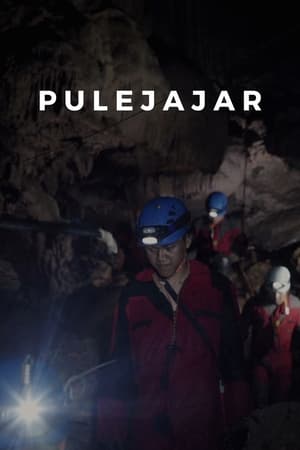
A villager of Desa Jepitu named Rubiyanto conducted a water extraction project from Gua Pulejajar with a group of volunteers. Echa, a student of cultural anthropology, involved herself in the project for her research. The water reserve in Gua Pulejajar does not only give hope to Rubiyanto and the other villagers of Desa Jepitu, but also reignites spiritual relations between Echa and her late father, who was a former activist of Gua Pulejajar.
A film about orphaned children in Kenya who lost their parents to AIDS.
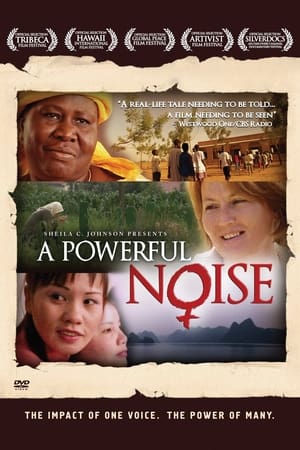
Bookended by call-to-action quotes from Margaret Mead and Mahatma Gandhi, this inspiring documentary follows three extraordinary women -- in Bosnia-Herzegovina, Mali, and Vietnam -- as they lead day-to-day battles against ignorance, poverty, oppression, and ethnic strife.
Hur kunde hon leva som om det inte fanns