A man confronts his past during an experiment that attempts to find a solution to the problems of a post-apocalyptic world caused by a world war.
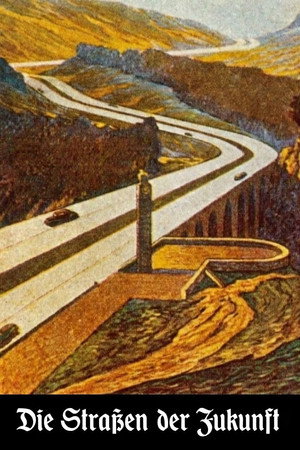
From different perspectives, the viewer sees the appearance of the newly built Reichsautobahnen: Pictures from the lowlands, the Swabian Alb and many other places.
In the everyday life of the bus, the world still hopes to find warmth.
A down on his luck Brooklyn native parlays his Yale education into a job as a professional poker player.
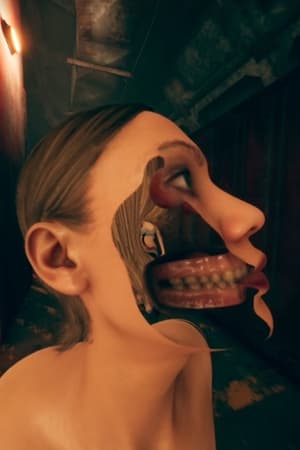
Since the Russian invasion of Ukraine, many Russians have started having dreams about their president and sharing them on social media. More than a thousand dreams about Putin have now been recorded and posted on public platforms. In Dreams About Putin, a selection of these dreams have been brought to life using Unreal Engine, a 3D graphics program for creating scenes for computer games. In this exciting experiment with form, the animations are complemented by rare archival footage of the Russian president. The dreams are related by a narrator, and their “translation” into 3D scenes is not literal; likewise, the archival footage has been lightly edited. The result is sometimes dryly comic, sometimes absurdist, sometimes disturbing, and sometimes even hopeful. A series of bizarre but therefore oddly familiar nightmares as a vision of Putin’s Russia.
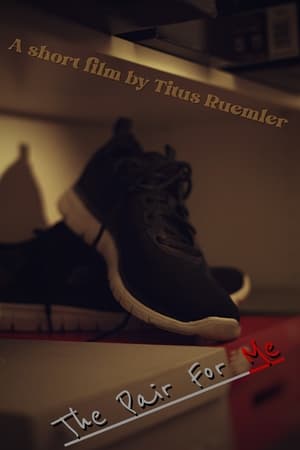
The story of a simple pair of shoes, and their owner.
A documentary film which portrays the dramatic chain of events leading to the invasion of the Arab armies to Israel after the Israeli declaration of independence. The film includes original pictures from the war filmed by both sides, and documentation of the leaders of the Arab forces and the Yishuv in the crucial moments of Israel's "War of Independence".
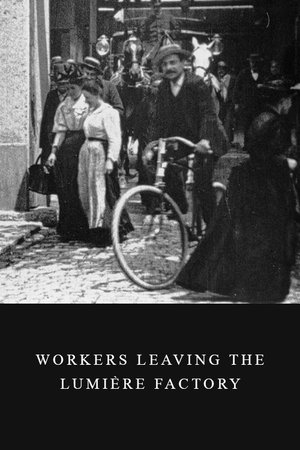
Working men and women leave through the main gate of the Lumière factory in Lyon, France. Filmed on 22 March 1895, it is often referred to as the first real motion picture ever made, although Louis Le Prince's 1888 Roundhay Garden Scene pre-dated it by seven years. Three separate versions of this film exist, which differ from one another in numerous ways. The first version features a carriage drawn by one horse, while in the second version the carriage is drawn by two horses, and there is no carriage at all in the third version. The clothing style is also different between the three versions, demonstrating the different seasons in which each was filmed. This film was made in the 35 mm format with an aspect ratio of 1.33:1, and at a speed of 16 frames per second. At that rate, the 17 meters of film length provided a duration of 46 seconds, holding a total of 800 frames.
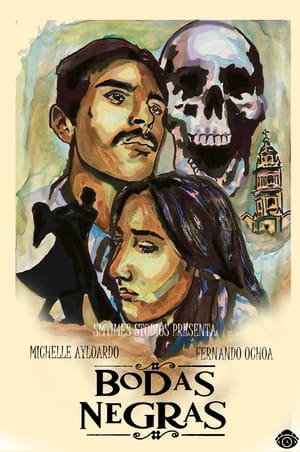
A young couple is struck with tragedy when Catalina suddenly dies of tuberculosis, leading a depressed Rosauro to commit a disturbing act. Based on the song by Julio Jaramillo.
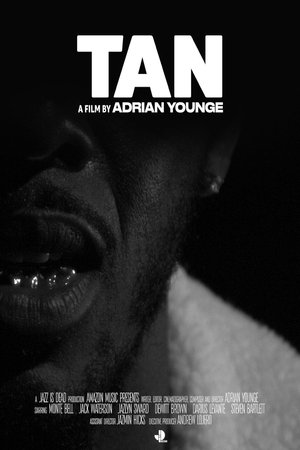
A story about a dysfunctional father and son who are still coping with a loss, the other with a highly-stigmatized illness who are compelled to talk to one another to make ends meet and heal the wounds of their relationship.
Confused, in a haze of consciousness and intolerance, five fragile souls enter an eerie dimension. This journey forces an artist, junkie, an unapologetic queer, a racist cop and a forged reverend to confront their own demons. In the waiting room, a trickster deity illuminates the shadows hiding within each subject. Piece by piece, each person realizes the darkness they've left behind.
Moody, edgy and unrelieved: the duplicity of desiring one’s double.
A critique of several aesthetically unpleasant architectural elements in American cities and suburbs of the 20th century.
A day in the life of the truck driver Tom.
An American family visits a concentration camp in Germany. At the museum, the father makes the acquaintance of an older man who questions his prejudices.
Unemployment at an early age and the problems that arise from it.
Two gay-straight best friends find their close relationship upended when one gets a new girlfriend.
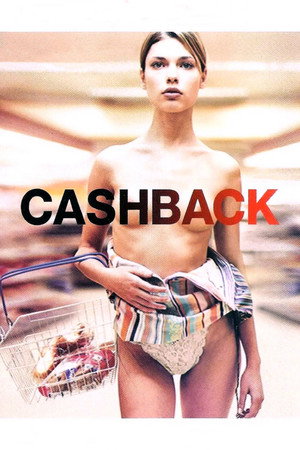
Ben is an art college student in London, whose imagination runs wild as he works the late-night shift at the local supermarket. What do he and his colleagues do to pass the long, endless hours of the night?
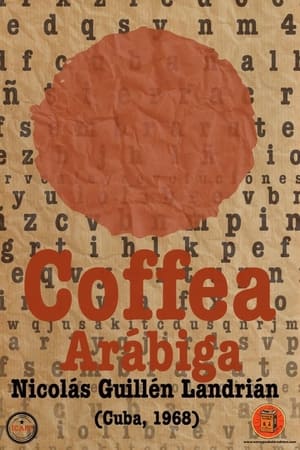
'Coffea arábiga' was sponsored as a propaganda documentary to show how to sow coffee around Havana. In fact, Guillén Landrián made a film critical of Castro, exhibited but banned as soon as the coffee plan collapsed.
A rookie filmmaker on a TV production set tries to survive a constraining environment where people don't respect her boundaries. During the wrap party, she begins to process what she experienced.