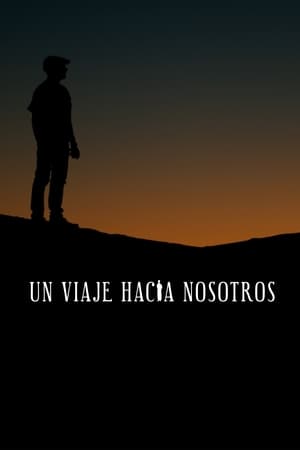
The nephew of a Republican exiled during the Spanish Civil War is pushed to discover the fate of his uncle by a forgotten letter. Meanwhile, a researcher tries to discover what happened to another deportee after reading the novel "El impostor" by Javier Cercas. When the two coincide, they discover that the lives of their two ancestors are intertwined and end up unearthing the story of František Suchý and his son, who risked their lives and defied the Nazi regime from the Prague crematorium to save the ashes of more than 2,000 victims.
De haldes / De montagnes
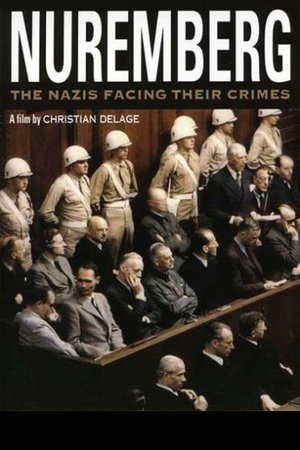
The documentary of the Nuremberg War Trials of 21 Nazi dignitaries held after World War II.
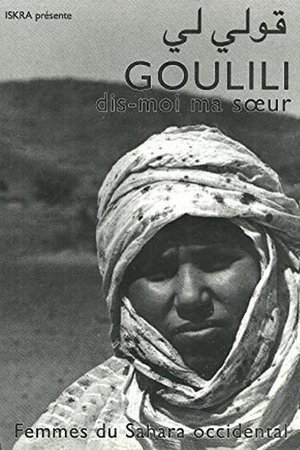
Documentary about the arduous early years of the Sahrawi cause (1977)
The Sahrawi women relate their exil, the tortures, their memories and the difficulties of life as refugees. They are beautiful, touching... Educated by the Polisario Front and attached to the values of islam, they are widows, divorcede or married to fighting men. Owing to the force of circumstances, they have built a society of independant muslim women...
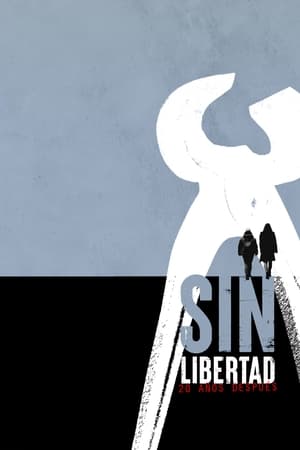
This documentary updates the life experiences of victims of ETA terrorist activity, twenty years after the multi-award-winning documentary Sin libertad (Without Freedom, 2001). With an experimental intent, it seeks to link the present and the future through five young journalism students in their twenties who have not experienced ETA terrorism and are responsible for interviewing the victims.
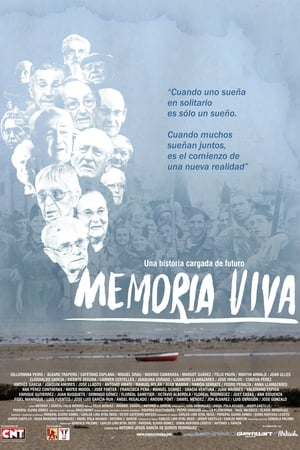
The Living Memory Project began back in 2009 on the 70th anniversary of the end of the Spanish Civil War with the recording of the event, organized in Paris to the Spanish Exiles and the victims of the Nazi extermination camp of Mauthausen. Our goal thereafter focused on collecting the greatest possible number of testimonies related to the history of Spanish anarcho-syndicalism. As part of the celebrations of 100 years of CNT we set up the project, the union decided to fund it and we set off . We travelled 12,000 km visiting three countries relying on the logistical support of CNT and selfless work of their members as well as partners Malicious Films GuerrillART. This is the result: 80 hours worth of records, 300 hours worth of testimony in timing and transcription meant for reference purposes at the Anselmo Lorenzo Foundation and 0 actors. Written by Antonio J. García de Quirós Rodríguez
This comedic retrospective mixes archival footage and scripted sketches as it revisits all the dread — and occasional delight — that 2021 had to offer.
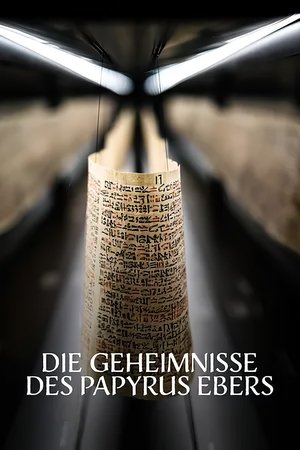
At around 3,500 years old, the Ebers Papyrus is the oldest completely preserved medical manual in the world. Recipes were written down here on 18.6 meters in ancient Egypt. When Georg Ebers set out in search of the scroll in 1872, its existence was questionable and its sensational condition only a rumor.
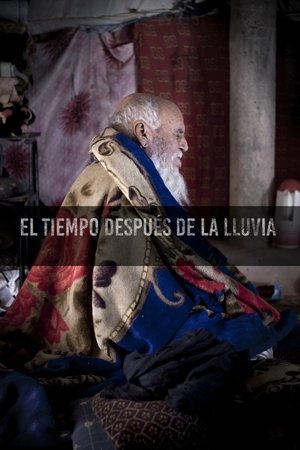
Young Mohamed Dih, who in Seville, returns to his birthplace – a refugee camp in Western Sahara. Time flows differently here: the times of the day are marked by calls to prayer and the seasons – by the rainfall. When a torrential downpour destroys his family’s home, the protagonist stays in the camp for longer to help to rebuild it.
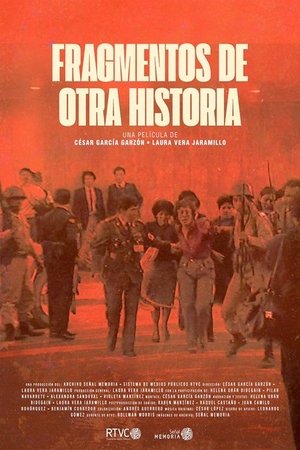
Fragmentos de otra historia
Yo sí te quise
Agustina González. La zapatera que miraba a las estrellas
Afranio
Spanish actor Pepe Viyuela embarks on a personal journey on the trail of his grandfather Gervasio, a soldier in the Republican Army during the Spanish Civil War.
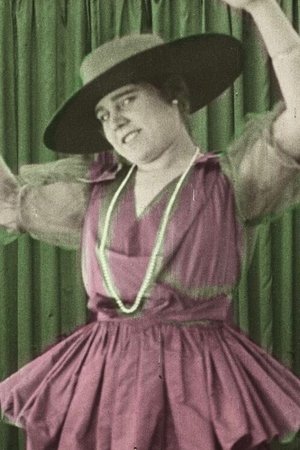
Moda antigua
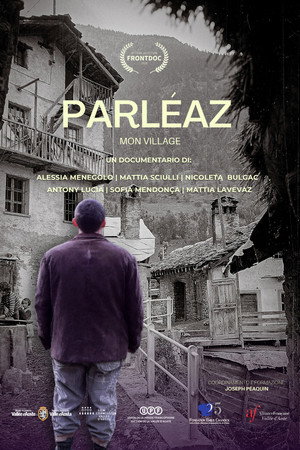
Maurice, who emigrated in the early 20th century to France from Parléaz, a small village in the Aosta Valley, returns as a spirit to his mountains, recounting his life and his connection to the land. Meanwhile, the stories and experiences of the local community, from the older to the younger generations, become intertwined.
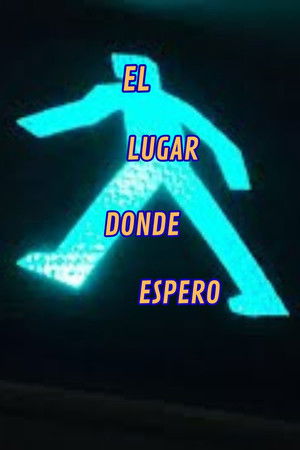
Sometimes we get hooked on a place, a moment, or a person who’s gone. This film is about coming back, waiting, and asking yourself if you truly want something to happen—or if you're just in love with the memory of it.
An experimental home documentary where you step inside the director's lens. A journey through his childhood via his own early recordings, exploring the origins of his craft and how that child’s gaze is still there, captured in time.
David Riondino, an Italian film director, is coming to Spain to document the Atocha massacre of 1977, to make a film on its 50th anniversary. He will be helped by Alejandra, a young documentary filmmaker who urges him to contextualise the past with the current rise of the far right. By investigating the Atocha attack, David will recover a part of that recent past and at the same time will witness a reality that encourages reflection on some burning issues such as the advance of the far right, problems of access to housing and job insecurity.