Stop for Bud is Jørgen Leth's first film and the first in his long collaboration with Ole John. […] they wanted to "blow up cinematic conventions and invent cinematic language from scratch". The jazz pianist Bud Powell moves around Copenhagen -- through King's Garden, along the quay at Kalkbrænderihavnen, across a waste dump. […] Bud is alone, accompanied only by his music. […] Image and sound are two different things -- that's Leth's and John's principle. Dexter Gordon, the narrator, tells stories about Powell's famous left hand. In an obituary for Powell, dated 3 August 1966, Leth wrote: "He quite willingly, or better still, unresistingly, mechanically, let himself be directed. The film attempts to depict his strange duality about his surroundings. His touch on the keys was like he was burning his fingers -- that's what it looked like, and that's how it sounded. But outside his playing, and often right in the middle of it, too, he was simply gone, not there."
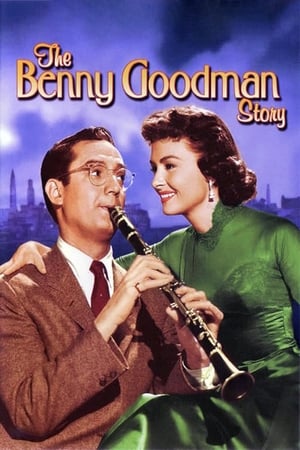
The history of American popular music runs parallel with the history of a Russian Jewish immigrant family, with each male descendant possessing different musical abilities.
Tenor saxophone master Sonny Rollins has long been hailed as one of the most important artists in jazz history, and still, today, he is viewed as the greatest living jazz improviser. In 1986, filmmaker Robert Mugge produced Saxophone Colossus, a feature-length portrait of Rollins, named after one of his most celebrated albums.
Everyone mentions her when asked who the 1st generation of jazz musicians is in Korea, adding that jazz wouldn't have been continued in Korea if not for her. It's Park Seong-yeon, the musician who ran Korea's first jazz club - Club Janus - and she provided it for other musicians to perform. Diva Janus follows the late Park's footsteps through her past and interviews by her peer musicians.
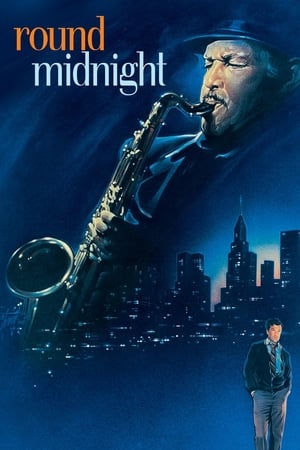
Inside the Blue Note nightclub one night in 1959 Paris, an aged, ailing jazzman coaxes an eloquent wail from his tenor sax. Outside, a young Parisian too broke to buy a glass of wine strains to hear those notes. Soon they will form a friendship that sparks a final burst of genius.
"What would the world be like without Beethoven?" That’s the provocative question posed by this music documentary from Deutsche Welle. To answer it, the film explores how Ludwig van Beethoven's innovations continue to have an impact far beyond the boundaries of classical music, 250 years after his birth.
Tracklist: 1. Route 66 2. Medley: - Save Me - My Old Friend - Trouble In Paradise 3. Distracted 4. Wait For The Magic 5. Mornin' 6. Take Five 7. Lost And Found 8. Midnight Sun 9. Medley: - Step By Step - Breakin' Away - I Will Be Here For You (Nitakungodea Milele) 10. Boogie Down
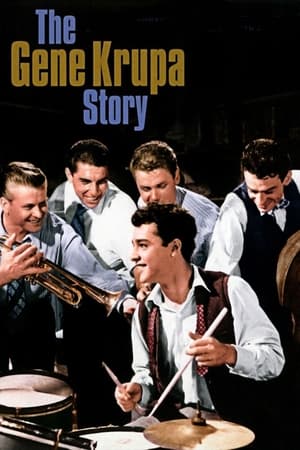
An egotistical saxophone player and a young singer meet on V-J Day and embark upon a strained and rocky romance, even as their careers begin a long uphill climb.
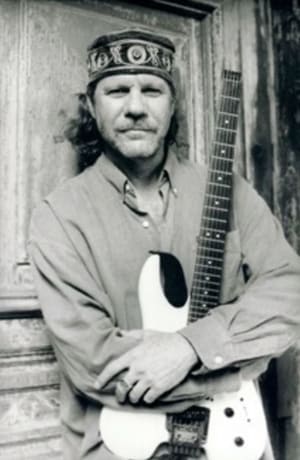
Crazy is the story of a legendary guitar player who emerged from Nashville in the 1950s. Blessed with incomparable, natural talent, Hank Garland quickly established his reputation as the finest sessions player in Nashville.
Boundary-pushing Russian dancer and actress Ida Rubinstein selects renowned French composer Maurice Ravel to compose the music for her next ballet. Ravel ends up creating his greatest success ever: Boléro.
The musical short features a romantic story that ties in with the music of Stan Kenton and his Orchestra with June Christy and the Pastels.
A vibrant tribute to one of America's legendary bandleaders, charting Glenn Miller's rise from obscurity and poverty to fame and wealth in the early 1940s.
Dizzy Gillespie is one of the major figures of the 20th Century's music scene. Everything was once said or written about this genius musician, founder of the Bebop. Whereas his public life is known from most, many ignore about the modest side of his character and the story of his long and deep friendship with a man rather unknown from the general public, the Swiss engineer Jacques Muyal. Through previously unrevealed archives as well as musical extracts, this documentary explores the story of the friendship between a genius trumpeter and a man crazy about Jazz.
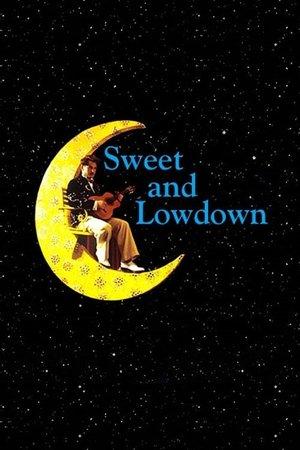
In the 1930s, jazz guitarist Emmet Ray idolizes Django Reinhardt, faces gangsters and falls in love with a mute woman.
Sun Ra and his Solar Myth Arkestra return to Earth after several years in space. Ra proclaims himself "the alter-destiny", meets with inner-city youths and battles with the devil himself to save the black race.
During a decade rife with paranoia, in the middle of the McCarthy era, Music Inn was a bold experiment. Halfway between the Second World War and The Civil Rights Movement, Phil and Stephanie Barber created an oasis in the Berkshire Hills in Western Massachusetts where aspiring musicians came to learn from the very best. Students and faculty, young and old, rich and poor, white, black, and brown convened together and learned from each other. Defying the surrounding environment, Music Inn harbored a racial and cultural harmony where music was all that mattered.
Saxophone player Charlie ‘Bird’ Parker comes to New York in 1940 and is quickly noticed for his remarkable way of playing. He becomes a drug addict but his loving wife Chan tries to help him.
In 1960s France, a jazz musician becomes the subject of an impromptu documentary.
Jake Blues, just released from prison, puts his old band back together to save the Catholic home where he and his brother Elwood were raised.
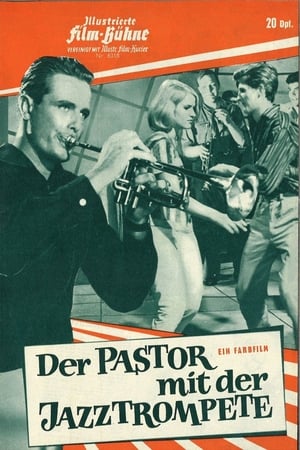
When the Lutheran pastor Roland retires, the young priest Roll shall replace him. He plays the trumpet, loves Jazz and his methods are unconventional: From the first day on he offends the village's notables, but he doesn't care so much since he especially targets the youths, wants them to get back to the church again. However the mayor agitates against him, manages to endanger Roll's success. The conflict leads to vandalism and open violence against Roll.