A lo Mejor Algún Día
BRIDAL SHOWER
A dance symbolizes the inner struggle of a teenager in a war-torn Ukraine.
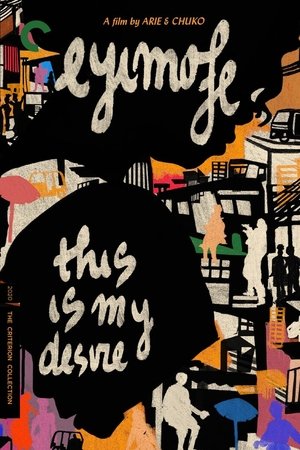
The film tells the story of Imri, who at 19 goes to live in Tel Aviv, but dreams of moving to Japan. Through his relationships and encounters and in diverse cinematic tools, we are introduced to the young person’s life. An exploration of living in the exotic city of Tel Aviv is presented through a hero who are themselves in the midst of exploring his own choice of an exotic place. A unique correlation is formed between the hero’s misconception of Japan and ours of them. The movie was constructed by both improvised and pre-scripted scenes, as required by the nature of each scene. (Taken from the Filmmaker's Website:
Ekun Omi follows the experiences of Agboogun as he goes through a series of epiphanies and past times, riddled with sorrow and heartbreak. Two apparitions come to his aid but can he escape his existential neurosis?
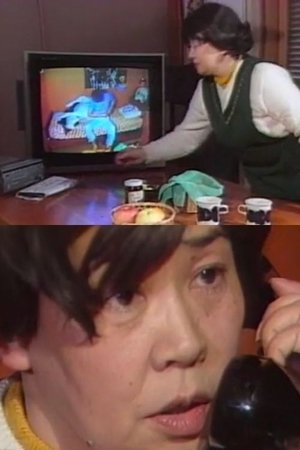
While you wait to hear if they'll pay your claim, there is almost nothing like the silent buzz at the other end of the line. Or when you say something that requires a response and the world says back, "no worries". There's an art to miscommunication, unthinking, the void, and the customer service call. Phoning it in might just be a necessary part of life. This rough-edged sketch mixing performance art living and film is a study of the phone call, American doofiness, and blank minds under the reign of the corporate call script. Everyone is impotent in the institutional setting.
"Outside the Aquarium" is the new exhibition of protagonist Jonas. In his paintings he portrays his experiences as a black immigrant and part of the LGBT Community expressing his fears, loneliness and dreams for the future.
Somewhere in the dreary zones of Mumbai's film industry, stuck between star-cult, superstition and the daily gridlock, Camera Threat explores the ambivalent, and sometimes paranoid relationship that this film city has with the moving image itself. Seated on a casting couch, two actors are getting trapped in their impromptu conversations on the unwanted side effects of a world that no longer bothers to tell facts from fiction. An expanded multi-genre film within the constraints of the so-called Masala Formula popularly known from Indian cinema.
A little boy walks alone through a toy store, past people who speak a strange and, for him, incomprehensible language. A young mother finds a way to communicate with him without language. But she is not prepared for what he then tells her.
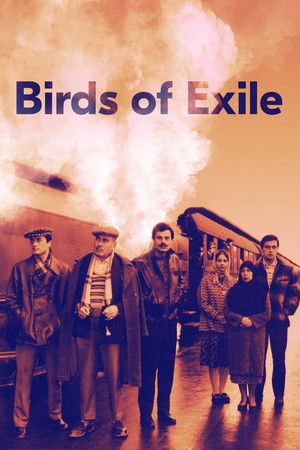
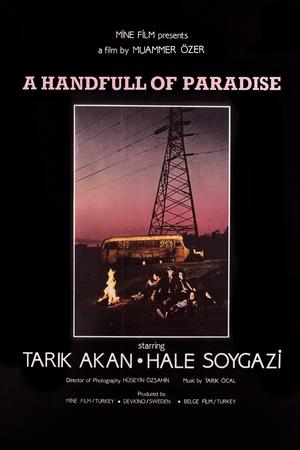
The story of a family who moved from a village to Istanbul with two children in order to live a better life, but ended up living in an abandoned bus due to poverty and lack of accommodation.
A man and a woman in Lagos want to escape their everyday lives, but extricating themselves is no easy task. Two stories narrated with tenderness and restraint that only fleetingly touch, the dream of migrating to Europe floating above them all the while.
Sira, a former refugee, works as a translator for OFPRA (the French Office for the Protection of Stateless Persons and Migrants). She unscrupulously fleeces her clients, selling them fictions she creates to convince the authorities.
ADRIFT- People of a Lesser God is the story of an incredible odyssey made by several-times Pulitzer Prize-nominated undercover reporter Dominique C. Mollard. In this gripping story, Mollard sails with 38 African migrants, among them a five-month-old baby, out of West Africa on a quest to reach the golden shores of Europe. All aboard are packed together like sardines in a leaky fishing canoe as they set off under full moon on their harrowing journey. ADRIFT-People of a Lesser God captures the struggle of these desperate migrants as they brave their way across the cold Atlantic, risking their lives in search for a better future. —Ziad H. Hamzeh
"All Five Millions of Us" is a hybrid of documentary and fiction feature film about father absence, based on data released by the National Council of Justice: there are 5.5 million children without paternal recognition in Brazil.
LEI and WONG clandestinely arrive to Ecuador, on their way to the port city of Guayaquil. From here LEI plans to continue her journey to New York, but CHANG, a bipolar mobster will decide her fate. WONG unwillingly gets entangled in the web of corruption that operates the encroachment of Chinese immigrants. His only objective is to bring his twelve-year-old son from China.
It’s Karla’s first birthday away from home. And music will be her way back.
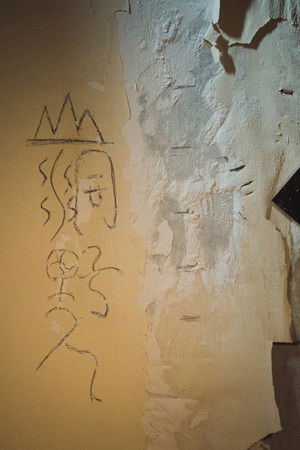
When Pak Tin Estate is going to be demolished, the residents will move to a new place, but how about the dead residents? Where could they go? Ho Ying-kuen who majors in Myth and Poetry, and Playwriting, leads us to a time and space of a demolishing public estate. We will come across the residents of the estate, a mother with her two sons selling incenses, and two monkeys having conversation about their mother. A mixture of fiction, experimental and documentary images, Lost Cemeteries studies about filial piety and death with a strange and interesting approach.
Shin-ae moves to her recently late husband’s hometown. Despite her efforts to settle in this unfamiliar and too-normal place, she finds that she can’t fit in. After a sudden tragedy, Shin-ae turns to Christianity to relieve her pain, but when even this is not permitted, she wages a war against God.
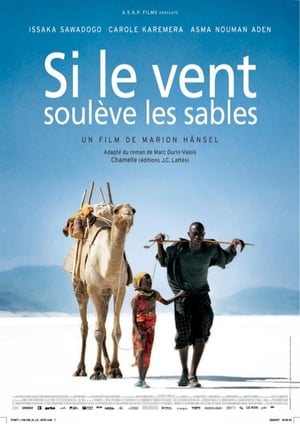
On the one hand, there’s the desert eating away at the land. The endless dry season, the lack of water. On the other there’s the threat of war. The village well has run dry. The livestock is dying. Trusting their instinct, most of the villagers leave and head south. Rahne, the only literate one, decides to head east with his three children and Mouna, his wife. A few sheep, some goats, and Chamelle, a dromedary, are their only riches. A tale of exodus, quest, hope and fatality.
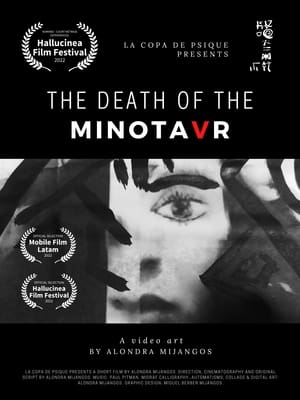
The death of the minotavr talks about the concept of the heroine's journey. Suffering, horror and exhaustion lead the protagonist to a process of transformation, abyss and expiation, because only murdering to minotaur and everything he represents is possible to return to life. From the female gaze, it shows the depth of the emotional wounds caused by domestic violence; the same one that the surrealist Dora Maar lived and that ask why, as a society, instead of killing the minotaur, we blindly continue to send him women only to be devoured and ask them why they simply did not fight, why they did not try get out of the labyrinth.