Cinema da nossa gente
The film documents the old Rio de Janeiro and its great focus of diseases. Stresses the decisive importance of Oswaldo Cruz who creates Experimental Medicine in Brazil, believing that without sanitation, no undertaking could succeed. Rodrigues Alves then started the urbanization of Rio, against great interests.
Michel Blanc, sur un malentendu
Rap de Saia is a documentary that reports, through the voices and rhymes of the protagonists themselves, part of the historical trajectory of Female Rap in the State of Rio de Janeiro. In addition to its historical trajectory, Rap de Saia brings a collection of themes that leads us to reflect on women in today's society.
Legendary rock band Rush plays the Maracana Stadium in Rio de Janeiro, Brazil, on the final night of the band's 2002 Vapor Trails tour, in front of 40,000 fans.
Sepetiba | Um Mar de Lembranças
Claude Lelouch was a Jewish child in occupied France. In this documentary, he talks about the trauma he still feels from that experience, but also how it inspired him to become a filmmaker. The 1940s appear to be a formative period, key to understanding the work and career of this famous director, whose films and life have always been inseparable.
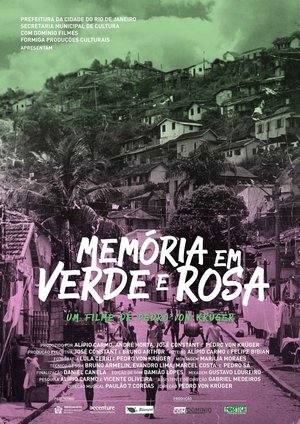
The Mangueira slum is the scenario where Tantinho and the old samba composers remember stories about the slums and samba.
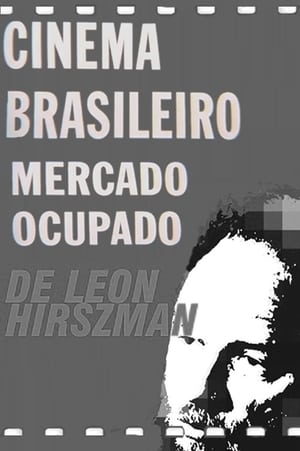
Documentary by Leon Hirszman about the economic conditions of film production in Brazil, produced in 1975 with sponsorship from Embrafilme and kept unreleased since then.
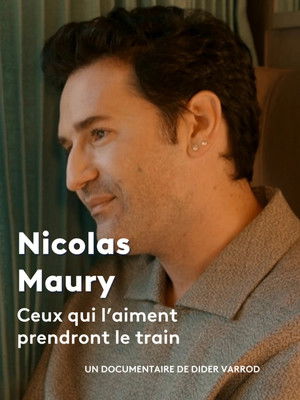
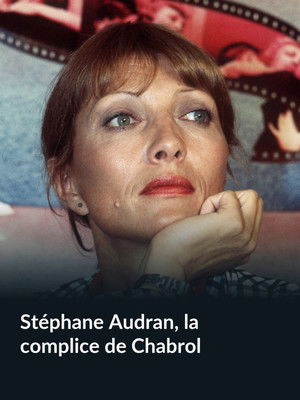
This documentary looks back on a career of a woman who, very early on, refused to accept the roles assigned to her. In the 1980s, while others were trying to please, she wrote "Les hommes préfèrent les grosses" (Men Prefer Fat Women), a manifesto ahead of its time, funny, feminist, and blunt. Later, with "Gazon maudit" (Damned Grass), she tackled homosexuality with a freedom that is still shocking today.
The Vatican media documentary about the roots of Robert Francis Prevost in his native United States. It follows an itinerary that begins with his childhood in Dolton, through the memories of his brothers Louis and John, and continues among schools and universities, communities and parishes, featuring the voices of confreres, teachers, classmates, and longtime friends. A production of the Vatican Dicastery for Communication, in collaboration with the Archdiocese of Chicago and the Apostolate El Sembrador Nueva Evangelización (ESNE), broadcast on the official channels of Vatican Radio – Vatican News.
É Pra Mudar, Muleke - Uma Vida no DEGASE
Fenda
A documentary exploring Saudi Arabia's hidden film culture, following movie lovers who grew up without theaters in the 1980s and uncovering the nation's pre-1979 cinematic history through pioneers who kept their passion alive.
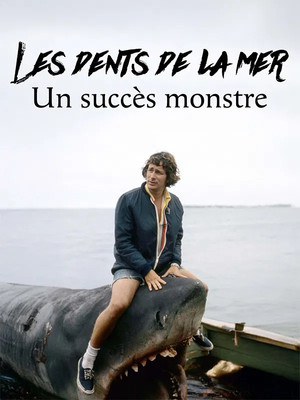
In the summer of 1975, the young director Steven Spielberg set new standards for cinema worldwide with an oversized shark bite, a plastic shark fin and an unmistakable two-note main theme composed by John Williams. With the horror from the deep, a man-eating, gigantic great white shark, the film of the same name became a similarly traumatic reference as Alfred Hitchcock's "Psycho": it triggered lasting primal fears across generations. On the beaches of the world, there was clearly a "before" and an "after". Steven Spielberg, who was only 28 at the time, not only set new standards for the thriller genre, but also hid his biting criticism of US capitalism in the 1970s behind it.
A documentary film that capture the moment of an old man in the dilapidated oldest cinema in Yangon reflecting his old day working in this cinema and missing the time with his beloved wife who has passed away.
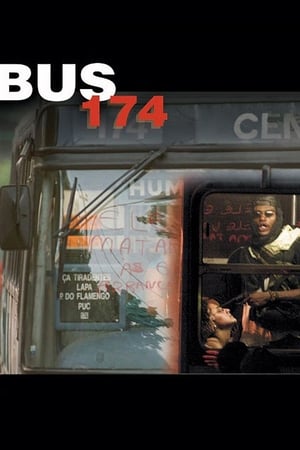
Documentary depicts what happened in Rio de Janeiro on June 12th 2000, when bus 174 was taken by an armed young man, threatening to shoot all the passengers. Transmitted live on all Brazilian TV networks, this shocking and tragic-ending event became one of violence's most shocking portraits, and one of the scariest examples of police incompetence and abuse in recent years.
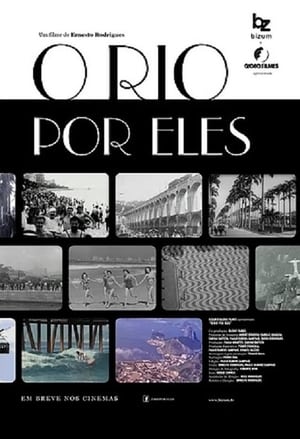
An unprecedented collection of pictures, characters and historical facts about the city of Rio de Janeiro, rescued by tv networks, documentary filmmakers and foreign journalists over the course of the 20th Century. The film reveals how Rio, its inhabitants and its cultural and natural attributes have been seen by foreigners. This is an opportunity to relive, through the eyes of a foreigner, social, political, technological and mundane events which Brazilians either did not manage to document audiovisually or whose works were lost.
Tradição e Herança Ancestral - A história dos Mestres de Folias de Reis de Nova Iguaçu
An audiovisual essay constructed from Super 8 footage filmed during camera tests for the short film ‘La Trampa’. Through gestures, light, and silences, it reflects on what the image reveals and what it leaves unsaid.