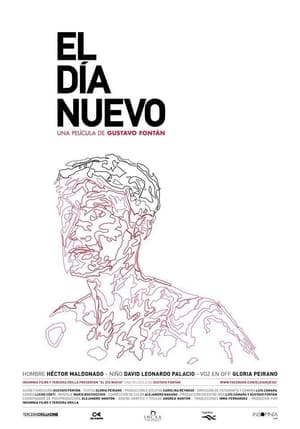
A mixture of documentary and fiction as seen through the eyes of a non-participant observer, this drama presents the life of the fisherman Maldonado. After his wife Celia leaves him, we watch his lonely life in a series of cyclical everyday activities as we listen to Celia's voiceover. Although it tends to repeat itself, it reveals something new every day. We always observe a different part of the daily work of a fisherman, or see it from a different angle. This sense of conflict is heightened by contradictory motifs on-screen and in the voiceover. Words clash with images, the everyday with the extraordinary, space with time.
A woman narrates the thoughts of a world traveler, meditations on time and memory expressed in words and images from places as far-flung as Japan, Guinea-Bissau, Iceland, and San Francisco.
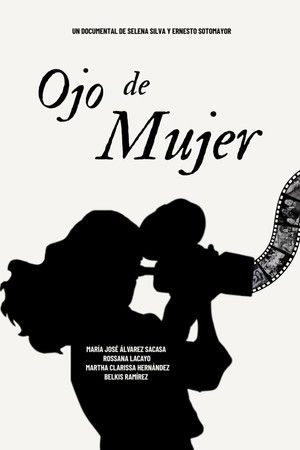
Ojo de Mujer is a documentary that features four Nicaraguan women filmmakers, whose testimonies allows us to learn about their begginings and how they have contributed to building a collective memory within their communities, leaving lasting roots for future generations of filmmakers in the country.
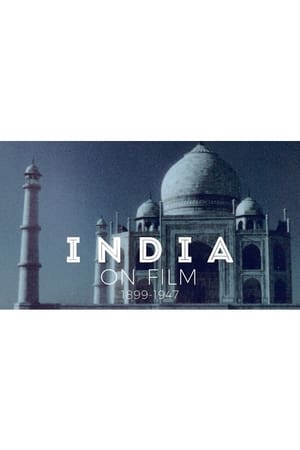
As part of the 2017 UK-India Year of Culture, the British Council and British Film Institute share a unique collection of films documenting the sights and culture of a bygone India. Filmed between 1899-1947, and preserved in the BFI National Archive since then, these rare films capture many glimpses of life in India, from dances and markets, to hunts and pageantry.
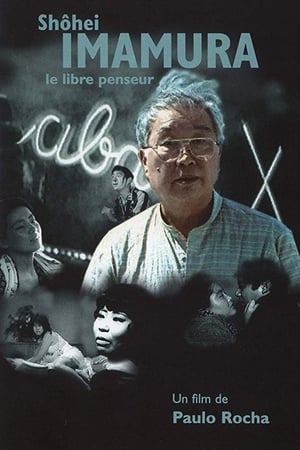
Documentary about Japanese film director Shohei Imamura.
'Do you feel cheaper?' We are filming young Lithuanian men working in Sweden. They do not want to be caught on camera, they do not want to participate in creating yet another media image of guilt and pity. They film us. We empty a bottle of moonshine, we dance on their porch. They might let us film them tomorrow. Second Class is a time document about class, respect, the value of work and human being.
The Executive Empress explores the entrepreneurial lives of several Florida women, who have turned their unique passions into successful businesses.
Documentary covering the current state of both the theoretical and practical development of the various scientific basic principles that served, as per Gene Roddenberry's dictum, as a believable basis at the time for The Original Series. Several real-world scientists are interviewed, not a few of them unabashedly admitting they went into their chosen field of profession because of Star Trek: The Original Series.
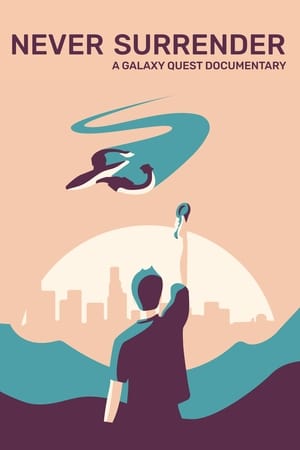
A feature-length documentary about the film Galaxy Quest and its legacy, celebrating its milestone 20th anniversary.
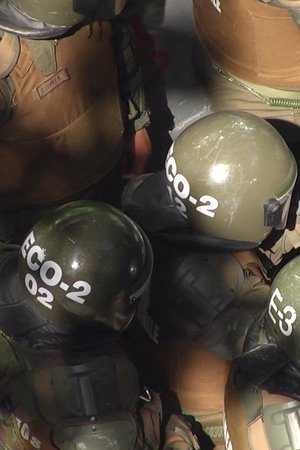
A poetic short film showing a day in the 2019 protests in Santiago, Chile through documentary images.
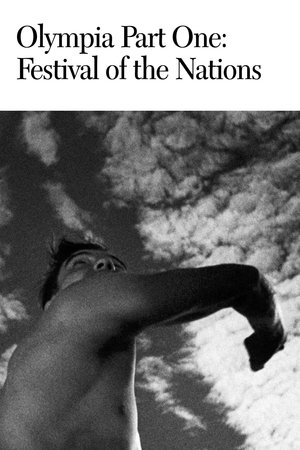
Starting with a long and lyrical overture, evoking the origins of the Olympic Games in ancient Greece, Riefenstahl covers twenty-one athletic events in the first half of this two-part love letter to the human body and spirit, culminating with the marathon, where Jesse Owens became the first track and field athlete to win four gold medals in a single Olympics.
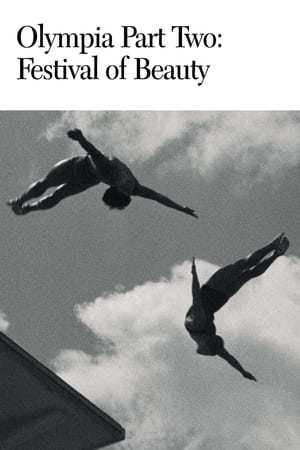
Part two of Leni Riefenstahl's monumental examination of the 1938 Olympic Games, the cameras leave the main stadium and venture into the many halls and fields deployed for such sports as fencing, polo, cycling, and the modern pentathlon, which was won by American Glenn Morris.
2012 French documentary where the interviewer gets 6 seemingly random women to empty their handbags and then asks probing questions to get to their "soul". Simone 33, a model. Ilhem 36, a sports coach. Caroline 33, a curator. Anne-Sophie 29, a press attache. Catherine 43, a teacher. Valentina 23, a student. French with English sub-titles.
Amidst the paralysis of downtown São Paulo, the film follows the journey of 5 characters to the same place - a common meeting point. The voices and experiences of each reveal something greater: a new perspective on life, movement and art.
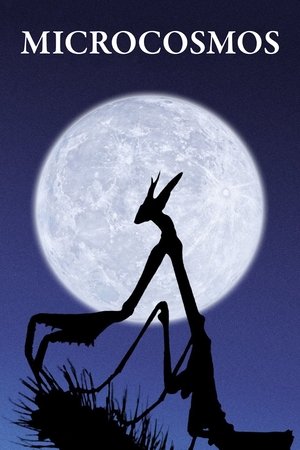
A documentary of insect life in meadows and ponds, using incredible close-ups, slow motion, and time-lapse photography. It includes bees collecting nectar, ladybugs eating mites, snails mating, spiders wrapping their catch, a scarab beetle relentlessly pushing its ball of dung uphill, endless lines of caterpillars, an underwater spider creating an air bubble to live in, and a mosquito hatching.
Guy Debord's analysis of a consumer society.
The raft man Manuel Jacaré was swallowed by the sea when Orson Welles was filming It's All True in 1942. The fact evokes memories of the dictatorship of the Estado Novo, of World War II, of Ceará fishermen's struggle for labor rights and housing in their traditional space - target of real estate speculation.
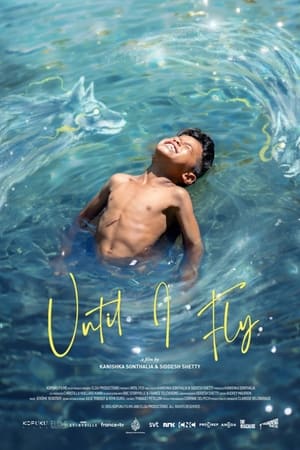
A charismatic Indian-Nepali boy, lives a bohemian life in a remote Himalayan village. As he transitions from childhood to teenagehood, his poetic journey of perseverance echoes issues that span across ages and communities.
Mariam Shahin has been making films about Gaza for over thirty years. When she moved to Gaza in 2005, she felt a powerful sense of optimism following the Israeli withdrawal. But by 2009, war had badly damaged its infrastructure, neighbourhoods, businesses and communities – and that optimism had evaporated. Now, in the wake of the even more destructive war that began on 7th October 2023, Mariam seeks out the people she has met in Gaza over the years – and reflects on the wasted potential and devastated lives after sixteen years of blockade and a year of one of the most destructive wars in Middle East history.
Overknee boots that triggered a fashion wave, a legendary shopping spree to the iconic theme song - the 1990 romantic comedy "Pretty Woman" by Garry Marshall starring Julia Roberts and Richard Gere is still the genre's biggest box office hit. The modern fairytale about a rich man who falls in love with a prostitute and rescues her made millions dream and made 22-year-old Julia Roberts famous overnight.