Ripley is now an ordained minister and owner of the Chapel of Love. He's on a search for the prize that will bring him untold riches - the Jules Rimet trophy. But when glamorous Kitty De-Luxe is jilted at his altar, Ripley falls hopelessly in love.
Against the backdrop of a turbulent era in Brazil, this documentary captures Pelé's extraordinary path from breakthrough talent to national hero. Mixing rare archival footage and exclusive interviews, this documentary celebrates the legendary Brazilian footballer who personified football as art.
This documentary follows the French soccer team on their way to victory in the 1998 World Cup in France. Stéphane Meunier spent the whole time filming the players, the coach and some other important characters of this victory, giving us a very intimate and nice view of them, as if we were with them.
The true story of boxer Jim Braddock who, following his retirement in the 1930s, makes a surprise comeback in order to lift his family out of poverty.
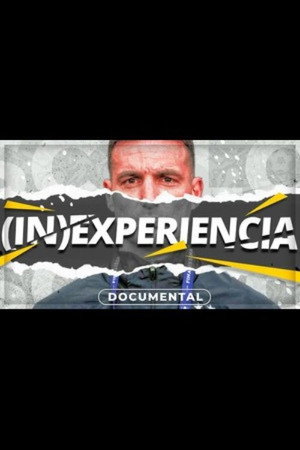
A portrait of Argentine libertarian politician Javier Milei.
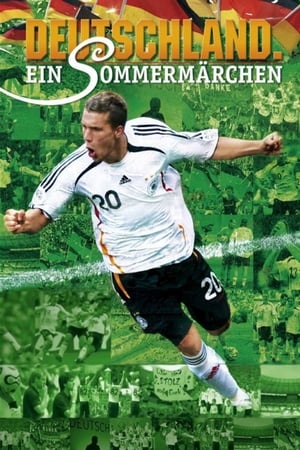
A documentary of the German national soccer team’s 2006 World Cup experience that changed the face of modern Germany.
In the early 1980s, at the beginning of what would become a 12-year-long civil war, El Salvador's talented football team was one national institution upon which both the left and the right could agree. When the team pulled off a stunning 1-0 upset against Mexico and qualified to compete in the 1982 World Cup, it was a high point for the tiny country's national pride. Unfortunately, the team's Cinderella story devolved into a nightmarish farce.
The hit musical based on the life of Evita Duarte, an Argentinian actress who eventually became the wife of Argentinian president Juan Perón, and the most beloved and hated woman in Argentina.
After the fall of the military dictatorship in 1983, successive democratic governments launched a series of reforms purporting to turn Argentina into the world's most liberal and prosperous economy. Less than twenty years later, the Argentinians have lost literally everything: major national companies have been sold well below value to foreign corporations; the proceeds of privatizations have been diverted into the pockets of corrupt officials; revised labour laws have taken away all rights from employees; in a country that is traditionally an important exporter of foodstuffs, malnutrition is widespread; millions of people are unemployed and sinking into poverty; and their savings have disappeared in a final banking collapse. The film highlights numerous political, financial, social and judicial aspects that mark out Argentina's road to ruin.
A documentary following the day life of fans in Brazil on July 13, 2014: the day when Germany and Argentina met up in the finals of FIFA World Cup.
This is the official FIFA film of the 1982 World Cup Finals in Spain. Runs 96 minutes and includes commentary by Sean Connery with a special score composed by Rick Wakeman. Not your average footie film, this is a stunning record of the 1982 tournament finals which included England and Northern Ireland and culminated in Italy's thrilling victory against West Germany.
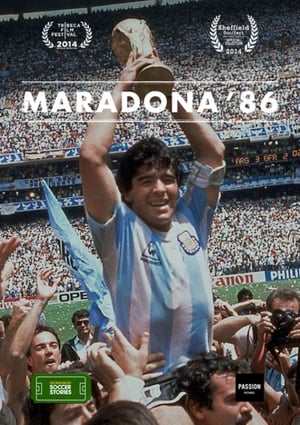
1986 FIFA World Cup Official Film. Mexico had just recovered from a devastating earthquake, but the nation put on a great tournament and Argentina, inspired by Maradona, justified "favourite" status. Eighty-six minutes of football magic from numerous world stars, including Diego Maradona, Gary Lineker, Michel Platini, Socrates, Rummenigge, Sanchez, Laudrup and many others. Michael Caine narrates this, the official FIFA coverage.
Reveals an alternate history of the post-war world. This is a version of history where, in contrast to what we are all told, fascist ideology prevailed. The story of Klaus Barbie, Nazi torturer, American spy, tool of repressive right-wing regimes, is symbolic of the real relationship that the "Western" governments had with fascism and makes us see the world as it is today - and the politicians that inhabit it - in a different way.
A unique and historically valuable addition to the Official Films Collection, these 14 minutes of material predate television and provides both black and white and colour coverage of the first ever FIFA World Cup™. There are five minutes of material from the final in colour, providing a record of Uruguay’s victory in 1930.
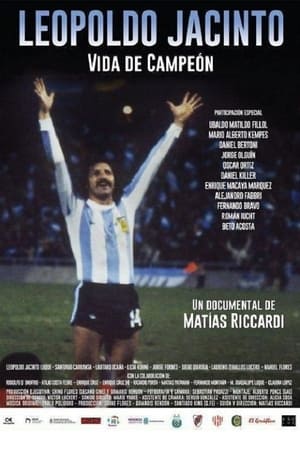
Documentary about the life story of one of Argentina's sports idols. One of the forty-three soccer players who won a World Cup, a fight. Filmed in Mendoza, Santa Fé, Rosario and Buenos Aires.
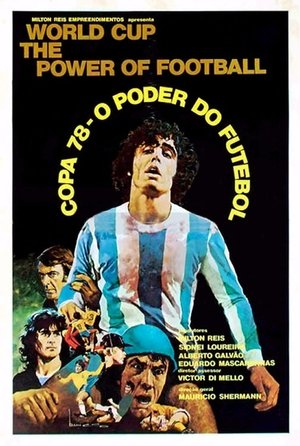
Documentary about the Football World Cup held in Argentina in 1978, focusing on the competition and behind the scenes of the most important soccer competition in the world. Two versions of the 1978 official film exist, the first "Copa 78 - O Poder do Futebol" was made by Brazilian directors Maurício Sherman and Victor di Mello in 1979 but was later withdrawn by FIFA because of its controversial content. The film includes an interview with Rodolfo Galimberti, one of the leaders of the Montoneros guerrilla group and also made accusations that the Argentinian competition organisation committee had deliberately hindered Brazilian chances of success by tampering with the pitch at Mar del Plata.
His teachers, coaches, childhood friends and Barça teammates, together with journalists, writers and prominent figures from the history of football, come together in a restaurant to analyze and pick apart Messi's personality both on and off the field, and to look back at some of the most significant moments in his life. Viewed from Álex de la Iglesia's unique perspective, Messi recreates the player's childhood and teenage years, from his very first steps, with a football always at his feet, through to the decision to leave Rosario for Barcelona, the separation from his family, and the role played in his career by individuals such as Ronaldinho, Rijkaard, Rexach and Guardiola.
Santiago Maldonado disappeared in the midst of repression against a Mapuche community that claimed to Luciano Benetton for his land. His body was found 78 days later. The need for truth and justice continues
Pablo Escobar was the richest, most powerful drug kingpin in the world, ruling the Medellin Cartel with an iron fist. Andres Escobar was the biggest soccer star in Colombia. The two were not related, but their fates were inextricably-and fatally-intertwined. Pablo's drug money had turned Andres' national team into South American champions, favored to win the 1994 World Cup in Los Angeles. It was there, in a game against the U.S., that Andres committed one of the most shocking mistakes in soccer history, scoring an "own goal" that eliminated his team from the competition and ultimately cost him his life. The Two Escobars is a riveting examination of the intersection of sports, crime, and politics.
It narrates the epic title obtained by the Argentine National Team in the World Cup Qatar 2022 with testimonies of the protagonists, told from the intimacy and in first person.