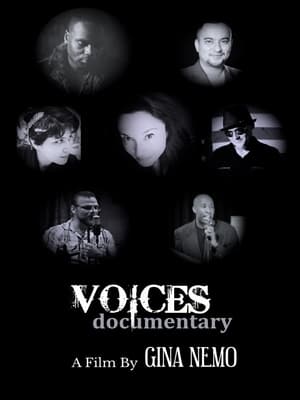
Poets from all walks of life speak their truth through their poetry. A film about poetry by award-winning Gina Nemo, Poet, Writer, Filmmaker, Award-Winning Singer & Actress.
This was a labour of love combining the work of some incredible artists to bring Máire Mhac an tSaoi’s poetry into the medium of film. Deargdhúil: Anatomy of Passion explores the life, work and sensual poetic imagination of the revolutionary Irish poet Máire Mhac an tSaoi. Born in 1922, her story is set against a backdrop of a tumultuous century in Irish history in which she and her family were centrally involved. At a time when women's voices were being silenced, the native tradition in the Irish language was her stage to explore the depths of female sexuality and experience without shame. Featuring the movement poetry of performance artist Maureen Fleming, interview by Louis de Paor, poetry voiced by Máire Mhac an tSaoi, Ailbhe Ní Ghearbhuigh and Nuala Ní Dhomhnaill, autobiography script voiced by Olwen Fouéré.
This short documentary features poet N Rengarajan, a migrant worker from Pudukkottai, India who sustains a practice of poetry as a way of life while working in the construction sector in Singapore. The film, structured around three of his poems, seeks to visually mirror the rhythm and tone of his writing. Together, verse and visuals strive to draw attention to the poet's acute illuminations of the realities of migrant life.
About the poet C.A.Conrad, an eccentric Elvis worshiping poet and tarot card reader, who confronts his violent past and the suspicious death of his boyfriend, Earth. The film attempts to unravel the mystery of Earth's death, while Conrad wrestles with his inner demons through a series of unconventional rituals and a tour of the deep South.
Ján Smrek menej známy
In 1791, in Haiti, Dutty Boukman presided over a Vodou ritual in Bois-Caïman that led to the creation of the first Black republic. Since then, rituals of transformation and artistic expression have been at the core of a thriving culture as the country faces oppression, poverty, and natural disasters. "Kite Zo A” (Leave the Bones) is a sensorial film about rituals in Haiti, from ancient to modern, made in collaboration with poets, dancers, musicians, fishermen, daredevil rollerbladers, and Vodou priests, set to poetry by Haitian author Wood-Jerry Gabriel.
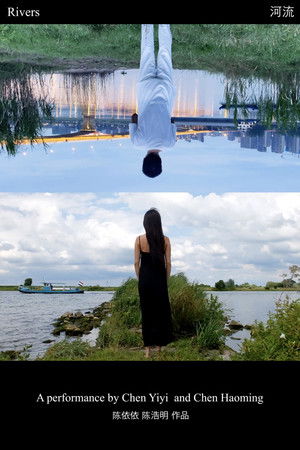
"The river Lek reminded me of the river Xiang in my hometown Changsha. I had not been home for 3 years and one of the connections with home was the poems my dad wrote me every day via WeChat. The rivers seemed equally significant for the people in the Netherlands and in Changsha. They are both a romantic connection and an important symbol of daily trade and industry. In a Wechat session my father and I simultaneously read three pairs of poems we wrote for this occasion, he by the Xiang and I by the Lek. Giving the words to the waters that ultimately will meet somewhere in the ocean. The video shows fragments of the performance which took place at the same time in Changsha and Culemborg in June. The full-length documentation is presented as a dual-screen video installation. The three poems written by me can be found on the page "Writing"."
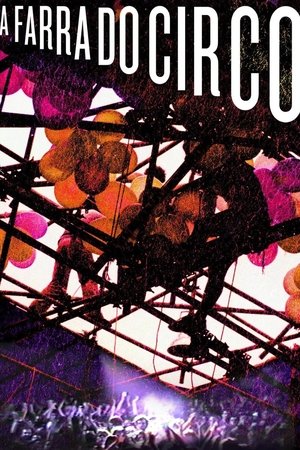
This documentary highlights the evolution of Brazil's Circo Voador venue from homespun artists' performance space to national cultural institution.
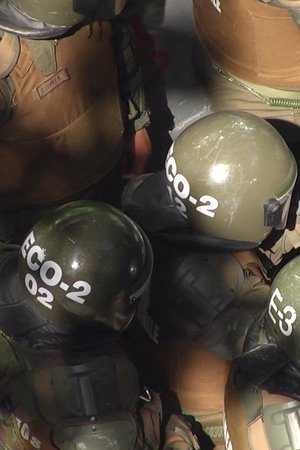
A poetic short film showing a day in the 2019 protests in Santiago, Chile through documentary images.
An experiment and a dialogue about recording, the act of filming and the colors available to whoever points the camera somewhere.
Milan Rúfus
Conversations with four people — an artist, a woman struggling with her identity as a high achiever, an actor, and a priest — exploring their inner worlds, their self-image and how they feel they fit into society. Are all of them acting, or only Sam Neill? The film features readings from Ash Wednesday, the poem written by TS Eliot after converting to anglicanism.
In the 1980s, writer, poet, radio personality and football enthusiast Franck Venaille is diagnosed with Parkinson's disease. He decides to travel the length of the Scheldt river, to dip his hands in its source, and brings back the long epic poem La Descente de l'Escaut. Today, the disease has progressed, but Venaille still spends much of his time working in the study where he wrote the text. Je me suis en marche is both a road movie weaving together the poem, Venaille now and during his journey, and a documentary adaptation of the epic odyssey of a sick man retracing a river across 450 kilometres.
Poetic stroll in the work of Jean Genet.
A film that immerses its audience in subjective states of consciousness they might experience when they die, imagining what they can see and think and hear in a seamless but fragmentary flow of poetic images, words and music. The viewer undertakes a journey into their own interior world of dreams and projections in which time and space, and cause and effect logic, are turned on their heads. Text Messages from the Universe is inspired by The Tibetan Book of the Dead, a text which guides souls on their journey of 49 days through the 'Bardo', or intermediate state, between dying and rebirth.
Cacaso, a Brazilian poet, lived in Rio de Janeiro. Born Antonio Carlos de Brito (1944-1987) he was one of the leaders of the marginal poetry movement. Cacaso filled notebooks not only with poems but reflections, drawings and collages. He also became a lyricist and partner of celebrated songwriters such as Tom Jobim, Edu Lobo, Toninho Horta, João Donato and Sivuca.
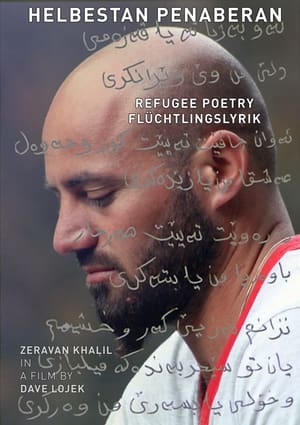
The Kurdish Iraqi poet and actor Zeravan Khalil travels with his dog through an Alpine gorge after fleeing from IS war and genocide. As he remembers the abomination, he writes a poem with the title “You drive me mad” in Kurmanji Kurdish. In his home country, Yazidic Kurds are forbidden to work in his profession. Then he eats his apple and wanders through Europe’s middle with more hope.
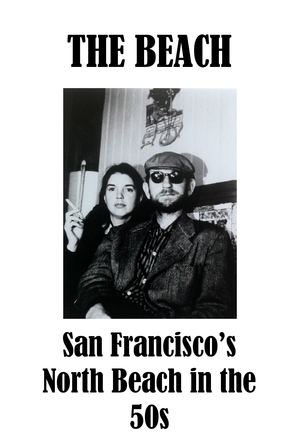
San Francisco's North Beach in the 50's - A mix of jazz, poetry and art - The Beach recreates the atmosphere that prevailed through first-hand accounts from the actual "players" along with photographs and artwork from that vibrant time.
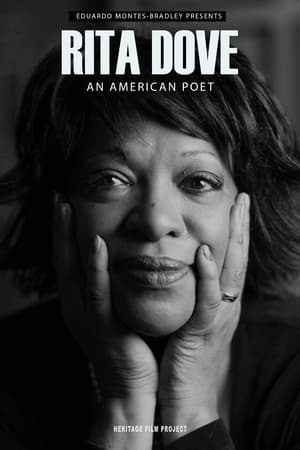
A series of in-depth conversations with Poet Laureate Rita Dove—conducted and recorded by Eduardo Montes-Bradley between September 2012, and October 2013. The film explores the poet's life, exposing fundamental facts of Dove's childhood and formative years growing up in Akron, Ohio in the 1950s and during the turbulent 1960s, supplemented by selections from hundreds of still images and several hours of home movies from the Dove family's collection.
Filmed entirely from the air, Upstream follows the course of the River Dee in Scotland, all the way to its source in the Cairngorm mountains, the highest of any river in Britain. With a prose poem written especially for the film by Robert Macfarlane and an original score by the Oscar-nominated composer Hauschka.