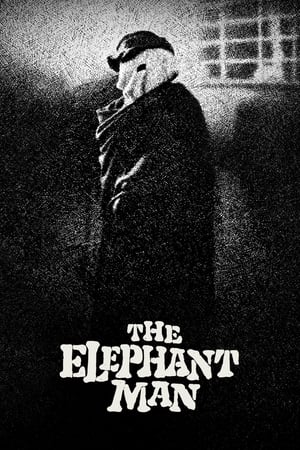
A Victorian surgeon rescues a heavily disfigured man being mistreated by his "owner" as a side-show freak. Behind his monstrous façade, there is revealed a person of great intelligence and sensitivity. Based on the true story of Joseph Merrick (called John Merrick in the film), a severely deformed man in 19th century London.
Amour et Pissenlit
Cinnamon Swirl follows Annie, a young woman in a long term relationship. When she meets Alvy, at a party, she realizes that she might have outgrown her partner. How can these feelings can be conveyed? Stability or experiences? Past or future?
Melvin, a teenager, returns to his past in an attempt to remember who he truly was after feeling he left himself behind. He confronts his teenage and childhood selves to reflect on the pains and changes of growing up, realizing that "growing up means losing and leaving behind versions of ourselves." A nostalgic and reflective journey about time, childhood, and accepting the constantly changing self.
Dismissed by those around her, a young woman begins performing as a living statue, finding strange power in stillness, until she reclaims the spotlight on her own terms.
A young painter battling depression finds solace in her art and alcohol, but her inner thoughts eventually surface, forcing her to confront them. Through this introspection, she undergoes a transformative journey.
A movie that portrays a reflection about sense of being self, to love and to be loved.
Crépuscule d'Été
The Metaphor That Became a Room is a psychological drama exploring identity, communication, and the struggle for self-understanding. Divided into two parts, the film first delves into the protagonist’s frustration with the urge to persuade others, realizing that over-explaining only distorts meaning. A note from the past echoes a hard truth: “Someone’s unwillingness to understand will always outweigh your effort.” In A Symphony of Unfinished Selves, the narrative shifts inward, revealing the protagonist’s fractured identity. Trapped in a metaphorical room built from illusions and contradictions, he reflects on his dual persona—the social facade and the hidden, lost self. The film questions how we see ourselves versus how others see us and whether true self-recognition is possible. Through minimalist dialogue and layered symbolism, the film captures the silent tension between who we are, who we appear to be, and who we long to become.
Upon settling in the countryside village of La Escapa, Nat accepts a disturbing sexual proposal by neighbour Andreas, paving the way for a self-consuming passion.
An aging artist confronts his traumatic past as he paints a portrait of the beachside home he grew up in.
A Lenda do Homem Pássaro
Manuel, a young Dominican chef, has the opportunity to fulfill his dream when a businesswoman asks him for a dish that will impress her. But, he has to deal with his inner voice that torments him in order to make it.
Los Colores Pardos
A man who spends his nights offering emotional support struggles to confront his own inner life by day. Aspiring to be a writer, he drifts through routines of procrastination and self-neglect, unable to return to the page. As time slips away, failed attempts at reinvention force a reckoning with the version of himself he has been avoiding.
After an agonizing school year bruises his relationship with his well-liked older brother Jonah, socially awkward Teddy meets Cole—a disarming boy—by chance on the street. As their friendship deepens, actions begin to speak louder than words, unraveling the fragile balance between brotherhood, belonging, and yearning during a blistering summer break.
Coming to Nothing follows a disgruntled young man trapped between guilt and survival, shaped by an alcoholic father and the unforgivable weight of abandoning his younger brother. Every attempt to cope—through love, indulgence, or isolation—only deepens the damage, turning connection into betrayal and self-protection into ruin. Whether he chooses responsibility or escape, the outcome is the same: loss. The film confronts the brutal truth that sometimes living through the wreckage hurts more than almost not living at all.
Leni and Paul are „all good!“, as Paul likes to emphasise. But on this evening even he realises that this is not true at all. Their new neighbours, Mariam and Ayla, who come over for dinner embody exactly what Leni and Paul have not been for one another as a couple for years. While finishing up dessert, the relationship of the perfect couple, centered on their fluffy dog Amor, unfolds.
Kanae's husband disappeared without a trace while on a union trip. Though usually headstrong and independent, the woman becomes plagued with worry over what happened to him, and is unable to move on with her life. Thus, Kanae decides to hire a private investigator, and keeps running the public bathhouse to the best of her abilities. As he tries to figure out the truth about her husband, Kanae must deal with the stress from a work-intensive job, meddlesome neighbors, and recurring nightmares in which she is drowning.
Director and actor D.C. Stoy explores the nuanced nature of a character's non-linear timeline, which pits the mundaneness of stability against his internal desire for more out of his life, where risk is the reward.