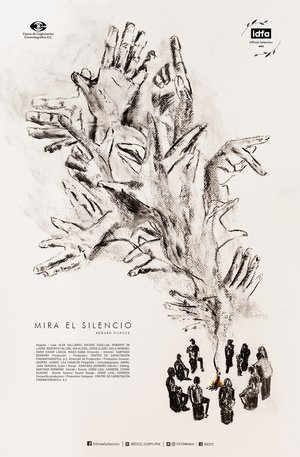
“I love poetry because it makes me feel like my mind expands.” In Regard Silence, that's the very first sentence expressed—in sign language of course. Watching the poems signed by deaf people in this film has a similarly mind-expanding effect. That’s because sign language—the Mexican version in this case—is a very different means of communication than written or spoken language.
Mi nostalgia no define la persona que queiro llegar a ser
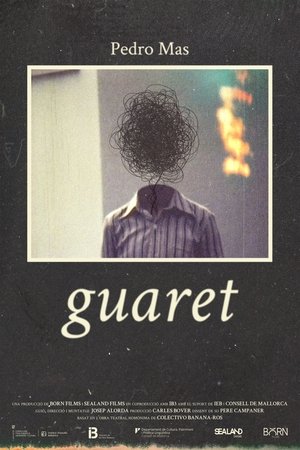
Pedro is Mallorcan, born to a mother from Burgos and a father from Mallorca. Due to his distant relationship with his father, Pedro doesn't fully master Mallorcan as a language. He turns to the works of Damià Huguet to remember his father, as only his poems can fill the void left by his death. The poet's words transport Pedro to his childhood and his roots, even though many of the words are unknown to him, despite them belonging to his language. This becomes the driving force behind the protagonist's search for his own identity, his origins, what it means to be a man, father-son relationships, collective identity, and "mallorquinness". Pedro constantly questions the emotions stirred by Huguet's poetry, and, most importantly, who he is and where he belongs.
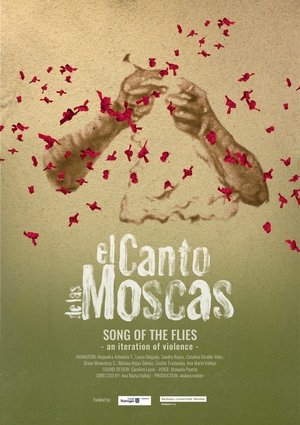
The experimental animated film Song of the Flies (El Canto de las Moscas), translates the desolation caused by the violence of the Colombian armed conflict through the poetic voice of Maria Mercedes Carranza (1945–2003) and the audiovisual dialogue between 9 Colombian women. In 24 places, as a transit over the course of a day (Morning, Day, Night) a map of terror is drawn where massacres took place in Colombia in the 1990s. Archival images, the artists’ personal memories and the use of loops and analogue materials bring to life the landscapes ravaged by violence and build a polyphony of memory and mourning, a universal song of pain.
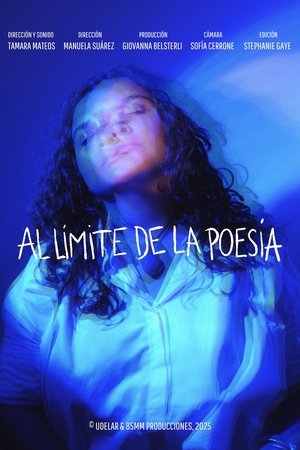
Valentina seeks refuge from the incessant waves of her mind in the pages of her upcoming poetry book Lapislazuli, trying to keep her life from slipping away like sand through her fingers. With words from her poem Citrino, we journey through a range of emotions and feel the ups and downs of her Borderline Personality Disorder.
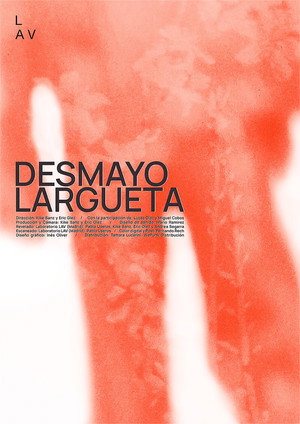
Desmayo Largueta
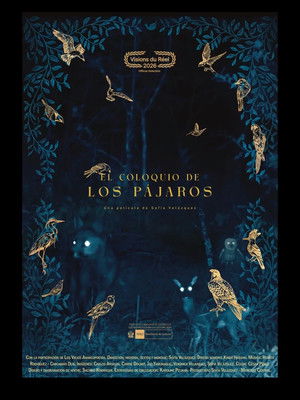
There was once a group of Peruvian anarchist poets forced into hiding who, during their secret meetings, sought to assume a non-human identity. Drawing on the famous Persian fable of the same name, the filmmaker translates the power of poetry and friendship into images and sound, serving as def iant stances against the established order.
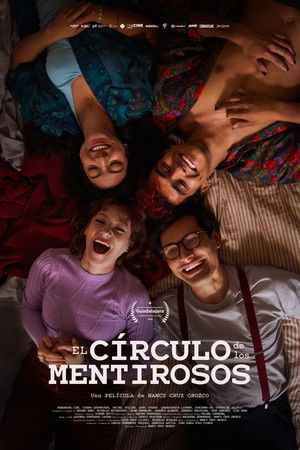
Cecilia arrives in Guadalajara for the first time to study at the Faculty of Literature and become a writer. There she meets Nicolás and Aristeo, young men who claim to be the founders—though in reality the only members—of the Underground Ultraism, a literary movement that aims to change Mexican literature. Through them, she meets Pita, an irreverent and openly bisexual poet with whom she forms a genuine bond. Cecilia finds a new sense of belonging in this group, until the friendship holding it together begins to fracture under the weight of envy.
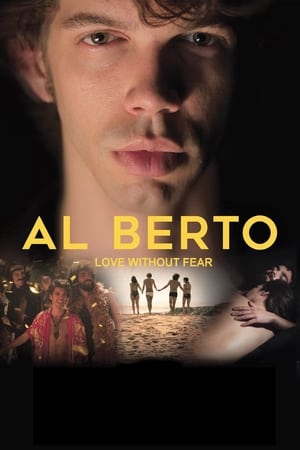
Portugal, 1975. A time of rough changes. A young gay artist trapped in a small seaside town ran by communist winds. Al Berto, the writer, embodies an entire moving generation. He and his friends exude youth, eccentricity and hope for the future - but right after the fall of Portugal's dictatorship system, the country is not yet ready for his love story.
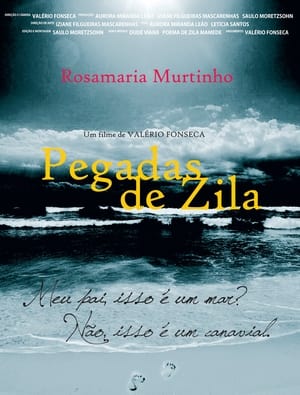
Pegadas de zila
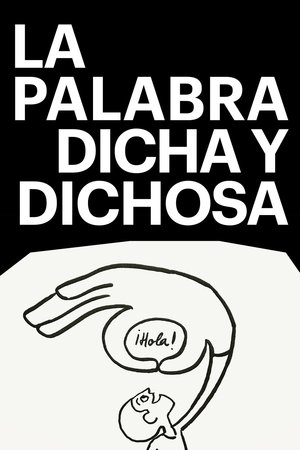
La palabra dicha y dichosa
This underground classic is considered by many to be Absinthe Films' greatest work to date. Transcendence marks the beginning of new kind of snowboarding film.
The creative processes of avant-garde composer Philip Glass and progressive director/designer Robert Wilson are examined in this film. It documents their collaboration on this tradition breaking opera.
A journey in the footsteps of the most famous initiate of Italian Trecento, the author of the celebrated "Divine Comedy". A poet who has inspired some of the most outstanding minds in History.
A documentary on Dizzy Gillespie's landmark visit to Cuba and his performance at the Fifth International Jazz Festival in Havana, Cuba. Filmed in 1985 with Arturo Sandoval and Sayyd Abdul Al Khabyyr.
Young members of 3 New Orleans school marching bands grow up in America's most musical city, and one of its most dangerous. Their band directors get them ready to perform in the Mardi Gras parades, and teach them to succeed and to survive.
The filmmaker Albert Serra and producer Àngel Martin present their last work on the web dedicated to the club Atlètic Club Banyoles and authentic football.
Eu Maior (Higher Self) is a Brazilian feature-length documentary presenting a fresh look at self-knowledge and the pursuit of happiness. The filmmakers interviewed thirty individuals with distinct backgrounds, including spiritual leaders, intellectuals, artists and professional athletes. Their touching personal stories, combined with the film's beautiful images and music, are certain to appeal to any audience's intelligence and artistic sensibility. - Anonymous
Anton Spielmann (18) and his two younger friends Basti Muxfeldt and Jonas Hinnerkort are living in their family homes with their parents in an idyllic village close to Hamburg. The three of them founded the band 1000 Robota. The band has an ambitious aim: „We want to cause creation not to remind of it”, and they want to live up to their ideals. In a society affected by economic pressure 1000 Robota are questioning themselves and others and they don‘t want to meet other people‘s expectations. In a world of excessive supply they are looking for significance and want to unite with others to create a new way of youth culture. But soon they have to face some serious difficulties.
A short documentary about the filming of Alfred Hitchcock's 'Rope'. Interviews with screenwriter Arthur Laurents delve into the troubles of secretly making a movie about gay murderers in the 1940s.