While everyone wants to die "at home" without suffering and surrounded by loved ones, in reality almost everyone dies in hospital. What healthcare provisions enable people to die at home? Are we all equal in terms of the support we receive, regardless of where we live? Young caregivers in a home hospitalization unit drive day and night along the Alabaster Coast. From house to house, from dying person to dying person. Accompanying a dying person at home also means accompanying their loved ones, immersing oneself for a few days or weeks in the intimacy of a family history. Thanks to them, the end of life returns to the home, to the family, and is rehumanized.
Has the time of women finally come? Have their everyday lives truly changed over the past sixty years? Guided by Agnès Jaoui, women—famous and unknown—share their stories across generations. From childhood to retirement, the documentary traces shared experiences shaped by prejudice, but also by hope, strength, and humor. Blending personal archives, historic moments, and social media footage, the film places women at the center of their own story. Welcome to the Time of Women.
A cheerful documentary about the daily life of a community of Franciscan sisters. “Hasta mañana, si Dios quiere” (See you tomorrow, God willing) is a film born from the desire to understand that mysterious feminine universe that gives up its life and leaves behind family, home, lovers, disobedience, and physical love.
Rafaela, an 80-year-old woman, has a long conversation with her grandson, going over his path from childhood to old age. Now that she has been diagnosed with chronic breast cancer, faith is more present in her life than ever, which coexists with Rafaela's fear of death, and her grandson's fear of dying.
Asilo
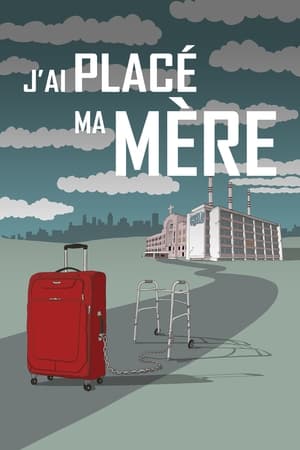
With an empathetic and intimate lens, veteran filmmaker Denys Desjardins captures his elderly mother's experience of neglect in Quebec's healthcare system and his sister's fight to secure her an acceptable long-term care solution.
Just after midnight on 10 March 1945, the US launched an air-based attack on eastern Tokyo; continuing until morning, the raid left more than 100,000 people dead and a quarter of the city eradicated. Unlike their loved ones, Hiroshi Hoshino, Michiko Kiyooka and Minoru Tsukiyama managed to emerge from the bombings. Now in their twilight years, they wish for nothing more than recognition and reparations for those who, like them, had been indelibly harmed by the war – but the Japanese government and even their fellow citizens seem disinclined to acknowledge the past.
The director's mother is 90 years old—and is beginning to forget herself. Not only herself, but everything else as well. She has dementia. Only her faith and her tireless knitting of exclusively blue socks keep her alive. The director, whose relationship with his mother has been very tense throughout his life, approaches the dissolution of his mother's ego in this experimental and essayistic film with the support of Didier Eribon, Simone de Beauvoir, Norbert Elias, Jean Améry, and others. In addition to this very personal story, he also tells a universal story about the process of aging, about repression, but also about rebellion in dealing with and interacting with aging people.
One of society’s last taboos is elderly desire, which remains strong for many: half of older adults remain sexual. Advances in medicine and lifestyle mean people in their 70s, 80s, or 90s can still explore and enjoy intimacy. Yet society often ignores this—aged bodies are deemed unattractive, and sexual desire beyond tenderness is stigmatized, sometimes leading to mistreatment in care homes where couples are separated. The documentary Vieillir et jouir sans entraves confronts this taboo. Featuring celebrities and real-life couples—including Francine and Marc (60 years together) and gay couple Jean-Marc and Alain (34 years together)—it explores aging bodies, love, sexuality, and the challenges of libido and illness. The film highlights initiatives supporting sexual expression for older adults, including LGBT-friendly housing and sex-positive care, urging society to rethink its view of aging intimacy.
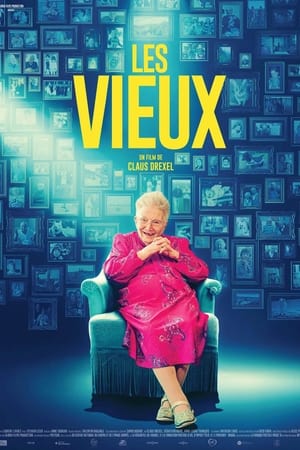
They come from all walks of life and have lived for almost a century. They have lived through the upheavals of history. They are funny, moving and rebellious. They surprise and amaze us. Yet we rarely hear their voices. This film is an invitation to travel across France and meet them: the Old People.
Les Joyeux Compagnons
Destroying your own artwork. For many artists it is unmentionable, but Loes Heebink from Kolderveen irreparably destroyed her artwork "Fluisteraars" herself and came up with the idea for a documentary of the same name, directed by Saskia Jeulink.
Za oknem...
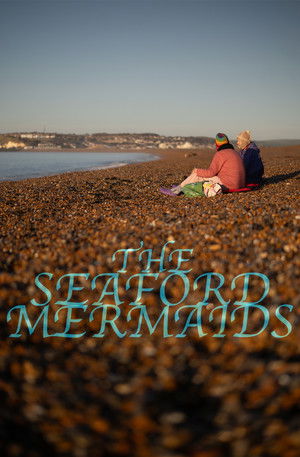
Follow a cold water swimming group based in Sussex as they discuss the benefits of cold water swimming.
Malandain, quand l'amour prend corps
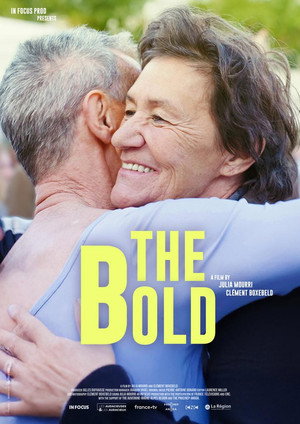
François, Renée, Gisèle, Sylvain. These seniors do not have much in common, but their lives have been shaped by episodes of abandonment, rejection, or fear. Some still live in invisibility, afraid of how others will look at them. Loneliness weighs heavily. For others, living with HIV has worn down their bodies, and old age arrives more quickly. Then there is a hope: that of a house in Lyon where they will finally be able to be themselves. A place where it will be possible to grow old without ever having to hide again. There is that family we choose for ourselves. The feeling that a new chapter is opening—the last one—filled with promise, and with the boldness of all those first times we finally allow ourselves, so late in life. But when it comes to becoming visible, the fears accumulated over a lifetime are never far away. And they come to pull our courageous dreamers back from their dream: should they take the leap?
Si je meurs, je viendrai vous le dire
Former 1960s musician Patti Jo reflects on her time as a singer and reconciles with the choices of her past, reigniting her lost passion.
In the not-so-distant future stands a castle where life can be eternally extended, provided that the residents take their pills. At age 88, Madeleine sees herself as the princess of the castle where she'll live "till her dying breath"... until the day that she is forced to leave. Disturbing tale of an endearing woman at the dawn of losing her bearings in a system where every elderly person have to find a place to live.
Dona Maria, a woman in her seventies, is alone at home with her thoughts. Abandoned by everyone—and by the life she once nurtured with such labor and passion—she now lives off her memories, her only companions, of a time when everyone was happy and she, besides being a renowned painter, was a whole, fulfilled woman.