The homoerotic poetry of Mutsuo Takahashi sets the stage for these associated images based on male desire.
WINHANGANHA (Wiradjuri language: Remember, know, think) - is a lyrical journey of archival footage and sound, poetry and original composition. It is an examination of how archives and the legacies of collection affect First Nations people and wider Australia, told through the lens of acclaimed Wiradjuri artist, Jazz Money.
An elegy about ‘José Ð Almeida’s life and work. Along an intimate metamorphosis, this dreamlike and visually expressive world created by the visionary and insane dreamer is recreated and performed between a symbiosis of moving image, photography and painting- in a scenic, dramatic, symbolic and mystical tone.
Um Dia Eu Fui Zeus
Anne Elliot was once in love with Frederick Wentworth, a commander in the Royal Navy who was rejected by her snobby parents eight years ago. When the family hits hard times and are forced to rent out their mansion to his brother-in-law, Frederick returns as a captain - but will he remember Anne?
At an elite, old-fashioned boarding school in New England, a passionate English teacher inspires his students to rebel against convention and seize the potential of every day, courting the disdain of the stern headmaster.
A woman's walk through time and search for true freedom. The inner look breaks with the punishment of immobility, and the woman's destiny becomes a symbol of poetry and freedom.
In Busto of a poet, the word is the real protagonist: the verses, reflections and texts of José Ángel Valente take shape through the poet's gaze around the lands, landscapes and monuments of Navarre, in a deep and magical journey. Image, word, music and silence converge and harmonize.
Valentina seeks refuge from the incessant waves of her mind in the pages of her upcoming poetry book Lapislazuli, trying to keep her life from slipping away like sand through her fingers. With words from her poem Citrino, we journey through a range of emotions and feel the ups and downs of her Borderline Personality Disorder.
D'Annunzio: l'uomo che inventò se stesso
A spoken word piece about an autistic person experiencing sensory overload in a world that rejects their existence.
A fascinating exploration of the literary — The Tragedy of Othello, the Moor of Venice, by English playwright William Shakespeare (1604) — and lyrical — Othello, by Italian opera composer Giuseppe Verdi (1887) — myth of Othello, the desperately tragic story of a Moorish general in the army of the Venetian Republic whose absurd jealousy poisons his love for his wife Desdemona.
“I love poetry because it makes me feel like my mind expands.” In Regard Silence, that's the very first sentence expressed—in sign language of course. Watching the poems signed by deaf people in this film has a similarly mind-expanding effect. That’s because sign language—the Mexican version in this case—is a very different means of communication than written or spoken language.
This was a labour of love combining the work of some incredible artists to bring Máire Mhac an tSaoi’s poetry into the medium of film. Deargdhúil: Anatomy of Passion explores the life, work and sensual poetic imagination of the revolutionary Irish poet Máire Mhac an tSaoi. Born in 1922, her story is set against a backdrop of a tumultuous century in Irish history in which she and her family were centrally involved. At a time when women's voices were being silenced, the native tradition in the Irish language was her stage to explore the depths of female sexuality and experience without shame. Featuring the movement poetry of performance artist Maureen Fleming, interview by Louis de Paor, poetry voiced by Máire Mhac an tSaoi, Ailbhe Ní Ghearbhuigh and Nuala Ní Dhomhnaill, autobiography script voiced by Olwen Fouéré.
Poets from all walks of life speak their truth through their poetry. A film about poetry by award-winning Gina Nemo, Poet, Writer, Filmmaker, Award-Winning Singer & Actress.
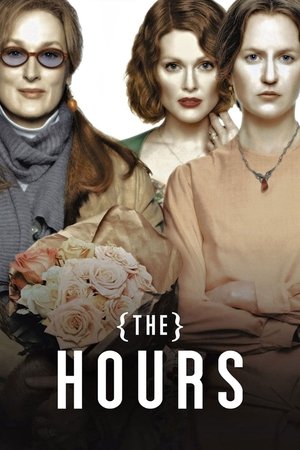
The story of three women searching for more potent, meaningful lives. Each is alive at a different time and place, all are linked by their yearnings and their fears. Their stories intertwine, and finally come together in a surprising, transcendent moment of shared recognition.
Beneath the harvest sun and the cicada song, Mónica Martins Nunes builds a touching portrait of Serra de Serpa, an arid region in the south of Portugal affected by rural exodus. The poems sung by the shepherds and market traders resonate like the last gesture of a human landscape which resists sinking into oblivion.
(Olhei para a câmera)
The film follows Manuel Maria du Bocage, 18th-century poet, as he travels through the world from orgy to orgy and from excess to excess.
About the life and work of the poet Sergei Yesenin, his connection with his native country, its people and nature. Childhood, love, painful searches for his place in the new, revolutionary Russia — everything found a place in Yesenin's lyrics. Frames illustrating Yesenin's poetry and poems are side by side in the film with episodes of the poet's biography: the film reflects the days of his stay in America, World War I, revolution and village round dances, a daring uncle, a wise mother...