Nacht Grenze Morgen
"Gaza Is Our Home" is a profoundly personal documentary that peels back the layers of devastation within the Gaza Strip, as witnessed through the lens of filmmaker Monear Shaer. His debut documentary was created out of agony as a timely, impactful, and tragic response to the collective anguish of all who call Gaza home... What began as an auto-generated slideshow on Monear’s iPhone of his own trip to see his family in 2021, has since transformed into a feature-length documentary. Through a tapestry of intimate interviews, unfiltered personal footage, and raw storytelling, "Gaza Is Our Home" transcends the political rhetoric and confronts audiences with the agonizing reality and ongoing cruelty thrust upon the film-makers own family. It is more than just a documentary... Rather, "Gaza Is Our Home" stands as a testament to the humanity behind the over 33,362 innocent lives massacred since Oct 2023...
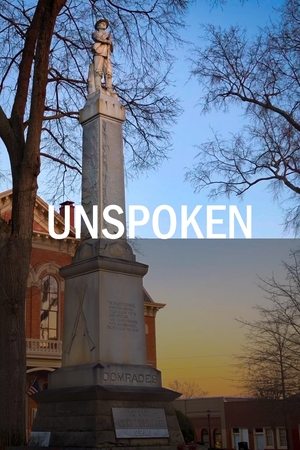
An intimate insider’s journey to uncover buried truths and explore how the community in Monroe, Georgia has been impacted by the 1946 quadruple lynching and decades of racial injustice, shattering a code of silence that has distanced neighbor from neighbor for generations.
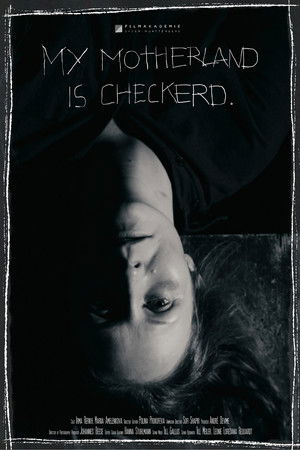
In a mix of 2D animation and live action, through their voices and acting, two actresses recount the lives of imprisoned women that opposed the Russian Regime and their emotional stories of suffering and anguish.
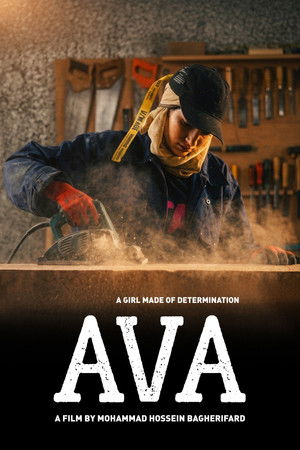
Breaking a centuries-old taboo, Ava stands as the first woman in Iran to master the male-dominated craft of carpentry. Within the grit and clamor of the workshop, she confronts a society that deems her presence forbidden. This observational documentary captures her daily battle against physical hardships and social judgment.
Shuja’iyah: Land of the Brave represents one filmmaker’s personal reflection on the meaning of “crimes against humanity” in the context of Israel’s ‘Operation Protective Edge’ waged in the Gaza Strip in 2014, using footage of her family filmed in the summer of 2013 juxtaposed against audio from the summer of 2014. Assali posed the question, when we say ‘crimes against humanity’, what ‘humanity’ are we talking about?”
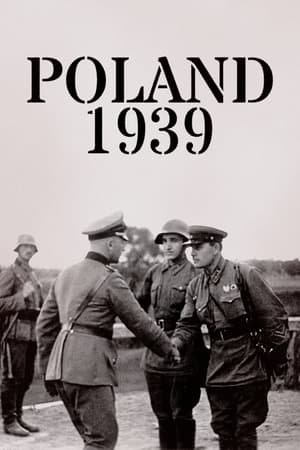
September 1st, 1939. Nazi Germany invades Poland. The campaign is fast, cruel and ruthless. In these circumstances, how is it that ordinary German soldiers suddenly became vicious killers, terrorizing the local population? Did everyone turn into something worse than wild animals? The true story of the first World War II offensive that marks in the history of infamy the beginning of a carnage and a historical tragedy.
Though both the historical and modern-day persecution of Armenians and other Christians is relatively uncovered in the mainstream media and not on the radar of many average Americans, it is a subject that has gotten far more attention in recent years.
In India, young people must marry someone approved by the family. Those who fall in love with someone else risk being killed for dishonour. But now they have someone to turn to for help: the Love Commandos.
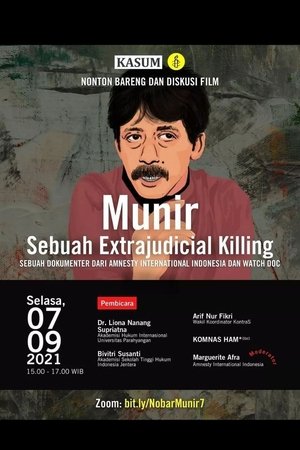
a documentary from Amnesty International Indonesia and Watch Doc
The 6 Guarani villages of Jaraguá, in São Paulo, fight for land rights, for human rights and for the preservation of nature. They suffer from the proximity to the city, which brings lack of resources, pollution of rivers and springs, racism, police violence, fires, lack of infrastructure and sanitation, among others. Unable to live like their ancestors, their millenary culture is lost as it merges with the urban culture.
Marcela, Anabella and Estrella are three trans women who have defied the lifespan expected for a trans person. Through their recollections, one explores the memory’s strength, resistance and love for life of these three women.
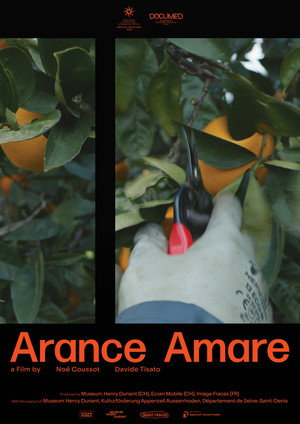
In a context marked by exploitation and clandestine labour, a group of farm workers are promised work under contract and fair conditions during the orange harvest in southern Italy. After only five days, they are forced to stop picking and wait in the orange grove for new instructions.
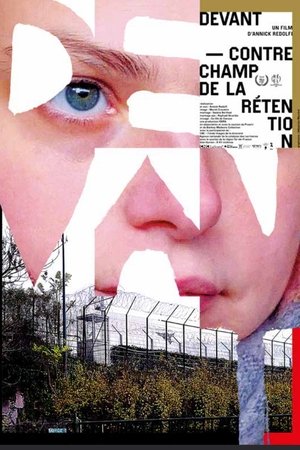
Pauline, Norah, Kristina and others wait for hours, sitting under a hut deep in the Bois de Vincennes. In front of the administrative detention center (CRA) in Paris, they have all come to see their loved ones locked up. Lives on hold, awaiting deportation or release. On this stage, these women tell their stories, talk to each other, share their experience, their revolt and their dreams with new visitors. They are the mirror of migrant detention, its reverse view.
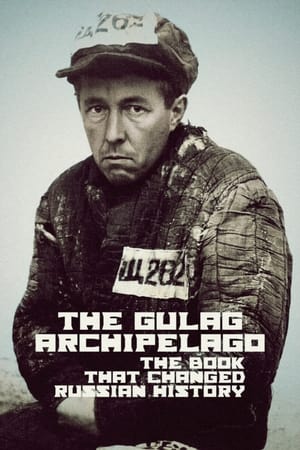
The story of Russian writer and Soviet dissident Aleksandr Solzhenitsyn (1918-2008) and his masterpiece, The Gulag Archipelago, published in Paris in 1973, which forever shook the very foundations of communist ideology.
Long ago, Geamăna was a Romanian village in the Apuseni Mountains, home to about 1000 people. Today, only the church spire rises from the poisonous mud of a neighbouring copper mine. Almost all the houses have sunk and their inhabitants fled. On the edge of the past, Valeria Praţa strives for her present - and is threatened by the future.
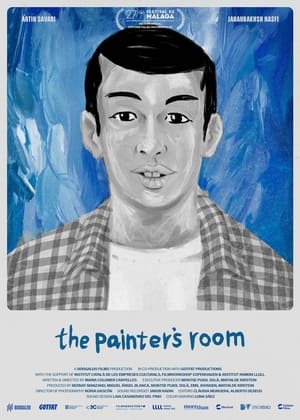
Artin, a young Iranian bodybuilder, and Jahan, a Kurdish man who recently discovered his love for painting, live in Kærshovedgård, a former prison now used as a deportation center.
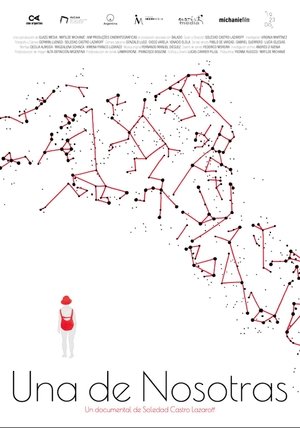
For more than forty years, Belela Herrera has dedicated her life to saving that of others. The politically persecuted, those displaced by civil wars, and the world's refugees are her concern and vocation. Her story is also that of a woman who defined herself and twisted the destiny reserved for girls of her social class: marrying to a man from high society, having a large family and a comfortable and elegant existence . And it is also the story of a female legacy that is part and consequence of the invisible resistance of thousands of women.
Poetic images emerge from everyday life, interweaving with narratives that recall traces of events from the last civic-ecclesiastical-military dictatorship in the city of La Plata.
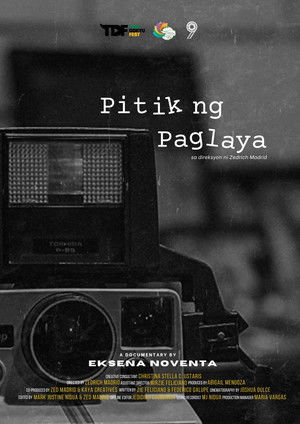
Ed Gerlock, Romeo Mariano, and DJ De Guzman shares their experience in documenting a range of events in the decades of media censorship.