Power in the Desert traces the ripple effects of the lithium boom across three distinct regions- Argentina’s Andean highlands, Chile’s Atacama Desert, and California’s Imperial Valley- where local communities find themselves on the frontlines of the clean energy future.
The entire project examines three interconnected extractivist processes in that area of southeastern Spain: mining in La Unión, construction in La Manga, and agroindustry in the Mar Menor. This short film was scripted as a spiral, revisiting the same three locations in three rounds. It overlaps archival materials with new recordings, aiming to approach the territory as a stratified archival ground – a form of storytelling conveyed by the land and water themselves. The archival materials are treated as compacted strata, whose grain and texture offer the possibility of excavating the trauma inscribed in the territory.
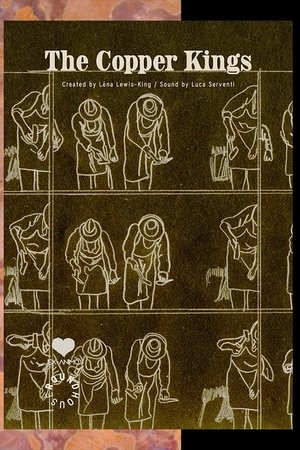
Through exploring the body as a landscape, 'The Copper Kings' plays with visual metaphors that connect the patriarchal philosophy and process of extraction to the dissection of our own bodies.
In Venezuelan Guayana, large gold reserves lie beneath “moriche” palms, attracting multitudes of miners to the territory. A fictional explorer narrates a journey from far-flung mines in the jungle to the banks of the Orinoco River, trying to understand the uncertain fortune of humanity immersed in the anxious quest for treasure. His reflections combine illustrations and photochemical paintings to draw a map of the extraction and commercialization of gold, object and symbol through which he questions where value resides.
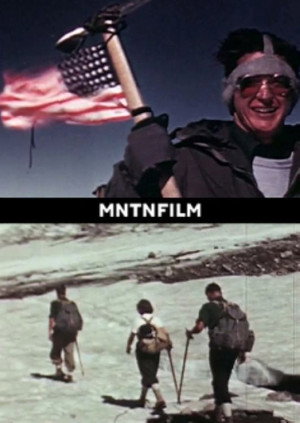
An early silent color film of Glacier National Park and Mount Rainier. The film is part of the 'Our Colorful World' series, produced by Bell & Howell. It shows a drive up to the Logan Pass in Glacier National Park, and a two-day ascent to Mount Rainier through Nisqually Glacier by two men and a woman. This Filmosound Library series produced in the early 1940s initially included thirty-seven single reels, for the most part silent, bringing beauty spots and wildlife of America and the world to the school screen in full natural color.
An invitation to embark on a fascinating journey into the Earth to reveal the vital importance of underground waters and springs. Through evocative images and testimonies, the film highlights how these hidden systems sustain ecosystems, communities, and cultures. By exploring the invisible flows beneath our feet, it calls on us to reflect on our relationship with water, our most essential resource. A poetic and urgent reminder that what is buried can also hold the key to life above ground.
Fronteras vivas
The social contract: the rules we follow - and some don’t. Breaking Social uncovers the pattern of corruption and kleptocracy erasing the social tissue, followed by social uprisings. In Chile a new turn is taken, with young women in the lead.
In the Folds of the Great Snake
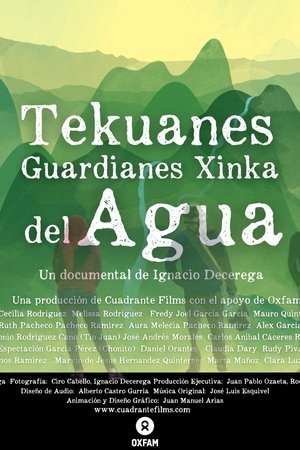
Tekuanes - Guardianes del Agua
Cerro del águila
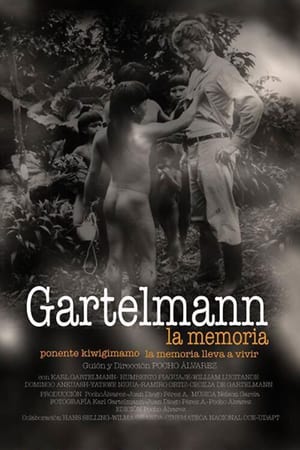
Karl Dieter Gartelmann, a German photographer and filmmaker, arrived in Ecuador in the seventies, in the midst of the oil boom, with an old 16mm Bolex video camera, and began a journey through the Ecuadorian jungle, collecting the visual testimony of a life that is dying. This documentary brings together the director's permanent concerns: culture and nature wasted by extractivism. A conversation between two directors about the creation of memory through cinema.
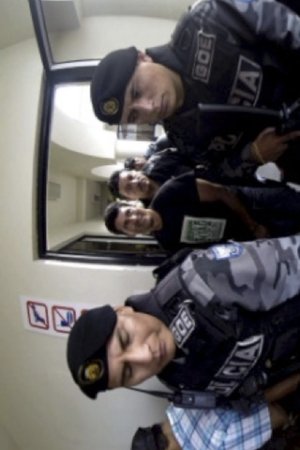
On April 10, 2014, the environmental activist and president of the Junín community, Javier Ramírez, was arrested and sentenced to ten months in prison for the crimes of “rebellion, sabotage and terrorism”. A few days later, the National Mining Company entered the area accompanied by a squad of at least 200 policemen to carry out studies related to the Llurimagua mining project, in the Íntag cloud forest. Javier with I, Íntag collects Javier Ramírez's reflections after his release, his feeling of condemned innocence, the pain of living in a divided, busy and frightened community, with its social fabric destroyed.
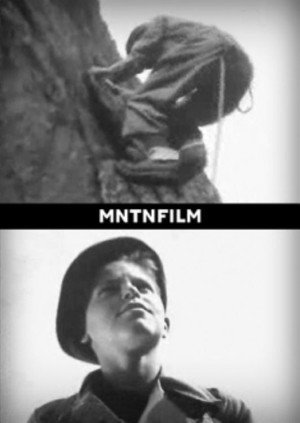
The film is a kind of docu-fiction about a boy who enrolls in a battalion of young mountain troops. The film follows his daily life in the military school and pays special attention to maneuvers and training exercises in the mountain, which include mountaineering and rock climbing lessons. The film, by Giovanni Vernuccio, was produced in 1942 by the Instituto Nazionale Luce at the end of the Italian Fascist regime, and was made with the collaboration of the 36th group of Alpine battalions 'Fabio Filzi' of the federal command GIL of Turin during the preparatory course for the festive camp of Balme.
Blue Days
Raíces de Agua
UNPLUG
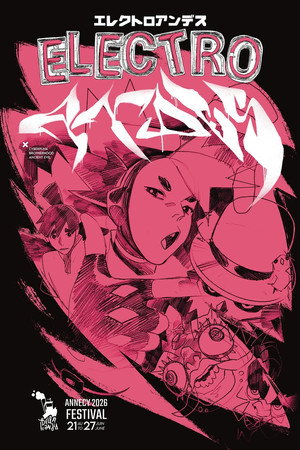
Two brothers join an eco-terrorist cell for very different reasons. One is driven by revenge. The other is searching for their missing grandfather. But when ancient legends awaken beneath the Andes, they find themselves caught in a ticking countdown: destroy everything, or save what’s left of the Andes.
Sensaigua
During a birthday party, Luca, a sensitive and lonely boy, begins to feel out of place among the other children. As tensions rise, he takes refuge in the fantasy of being a mermaid, imagining a place where he can breathe.