A documentary that brings together interviews with 20 activists who address the issue of intersectional feminism and patriarchy in Portugal.
Les chiens-loups
Between 1967 and 1976, Italian writer Goliarda Sapienza (1924-76) wrote The Art of Joy, a subversive novel about the dazzling social ascent of a rebellious heroine; too scandalous to be published at that contradictory time.
A huge bestseller in its day, the novel Uncle Tom's Cabin championed the abolitionist cause while perpetuating racist prejudices about African Americans. A remarkable analysis of a work steeped in ambivalence, which left a lasting impression on readers.
A resistance writer and pioneer of nature writing with a controversial personality, Edward Abbey wrote more than twenty books on the theme of eternal nature. A gem of counterculture, his 1975 novel The Monkey Wrench Gang inspired a generation of environmental activists and readers with rebellious souls. Portrait of a rebellious, lyrical, and rude writer.
A behind-the-scenes look at "Viagens", one of the greatest portuguese records of the 1990s, in the year of its 20th anniversary.
An analysis of The Kindly Ones, Jonathan Littell's controversial novel, published in 2006, which dissects the ruthless mechanisms of the Shoah from the detached point of view of Maximilian Aue, a high-ranking Nazi officer.
The Black Contribution – Literature and Theater 1978 is a rare documentary highlighting the voices and cultural impact of African American writers and performers during the civil rights era. Introduced by NAACP leader Benjamin Hooks and narrated by Roscoe Lee Brown, the film weaves together dramatic readings, theatrical excerpts, and candid urban street footage. Margaret Walker’s poem For My People is performed alongside scenes of daily Black life in New York City — children playing, families on stoops, open fire hydrants, and the realities of poverty in 1970s neighborhoods. James Baldwin appears in interview footage, while signs for his play The Amen Corner and stage excerpts from Lorraine Hansberry’s A Raisin in the Sun underscore the powerful presence of Black voices in American theater. With rare shots of Harlem life, literature, and performance, this film documents the enduring contributions of African American artists to U.S. culture and history.
The remarkable 83-year-old Helga Schubert lives in the remote landscape between Schwerin and Wismar. Her days are filled with the loving care of her sick 95-year-old husband, Johannes Helm, once a professor of psychology and passionate painter. But amidst this rural tranquility, Helga is anything but idle. Every day she dedicates herself to her passion, writing.
A meeting between the daughter and the grandmother of the director, Iván Mora Manzano, at a time when the memories of one, the girl’s, were taking shape, and the other’s the grandmother’s, were vanishing. This starting point is used as a pretext to talk about other topics such as the importance of family memories and the search for memory.
This film tells the story of rap music in Almada and Miratejo, one of the first major spots of this musical genre in Portugal. Guided by the protagonists who built and lived the movement intensively, we travel through their memories, stories, and inspirations to discover the great landmarks of this culture on the south banks of the Tagus River — built in a territory of demanding and politized working classes, with great cultural diversity in the post-Carnation Revolution.
About the poet C.A.Conrad, an eccentric Elvis worshiping poet and tarot card reader, who confronts his violent past and the suspicious death of his boyfriend, Earth. The film attempts to unravel the mystery of Earth's death, while Conrad wrestles with his inner demons through a series of unconventional rituals and a tour of the deep South.
The young Portuguese artist Rafa. is facing a turning point in his career, composing, recording and balancing roots and ambitions as he prepares to leave for Leeds and finalize his first EP.
Documentary about Moa Martinson.
This documentary explores the inner life of François Mitterrand from a unique perspective: that of the writer he never ceased to be. From bookworm child to prolific author, from his brilliant speeches to his literary friendships, François Mitterrand's life cannot be separated from the literary world. His daughter Mazarine Pingeot undertakes to read the texts left behind by her father.
Twenty years ago, novelist Salman Rushdie was a wanted man with a million pound bounty on his head. His novel, The Satanic Verses, had sparked riots across the Muslim world. The ailing religious leader of Iran, the Ayatollah Khomeini, had invoked a little-known religious opinion - a fatwa - and effectively sentenced Rushdie to death. This film looks back on the extraordinary events which followed the publication of the book and the ten year campaign to get the fatwa lifted. Interviews with Rushdie's friends and family and testimony from leaders of Britain's Muslim community and the Government reveal the inside story of the affair.
De Gaulle vs Churchill : Mémoires de guerre, guerre des mémoires
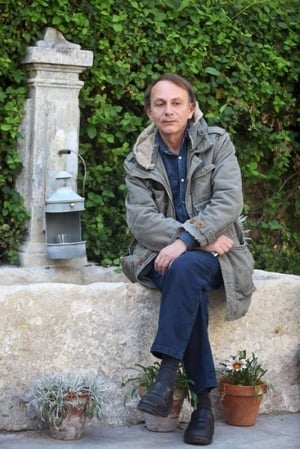
Poet, essayist, novelist and filmmaker, Michel Houellebecq has always had close ties with the cinema and the world of the visual arts, which have accompanied and extended his reflexions since the start of his career, as the frequent allusions to them in his novels attest. This portrait of Houellebecq is from his early days of bad boy provocateur stardom. Having just published Plateforme in french and enjoying the many translations of Les Particules élémentaires.
Fernando Lemos, a Portuguese surrealist artist, fled from dictatorship to Brazil in 1952 searching for something better. The movie follows the last moments of his journey and the struggle for the preservation of his legacy, trying to fulfill his last great desire: to be a good dead man.
Provocando con Sampedro