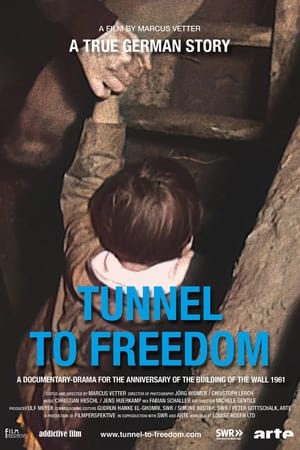
13 August 1961: the GDR closes the sector borders in Berlin. The city is divided overnight. Escape to the West becomes more dangerous every day. But on September 14, 1962, exactly one year, one month and one day after the Wall was built, a group of 29 people from the GDR managed to escape spectacularly through a 135-meter tunnel to the West. For more than 4 months, students from West Berlin, including 2 Italians, dug this tunnel. When the tunnel builders ran out of money after only a few meters of digging, they came up with the idea of marketing the escape tunnel. They sell the film rights to the story exclusively to NBC, an American television station.
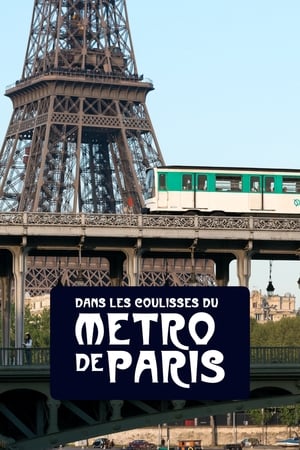
Dans les coulisses du métro de Paris
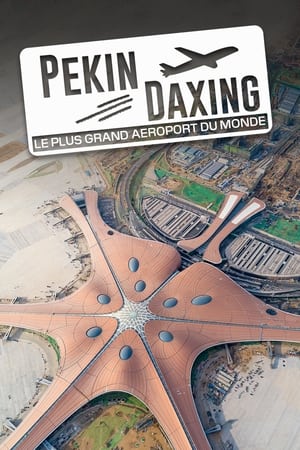
September 2019. China inaugurates the largest airport terminal in the world, which covers 700,000 m2, the equivalent of 98 football pitches. Built in 5 years, it embodies the jewel of Chinese modernity but also of French know-how. Go behind the scenes of a pharaonic construction site.
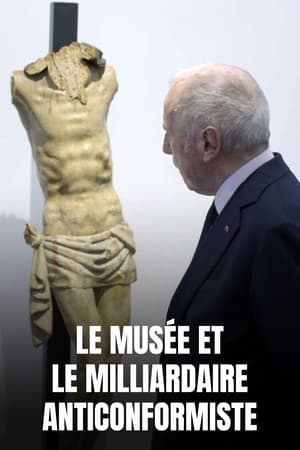
Le Musée et le Milliardaire anticonformiste
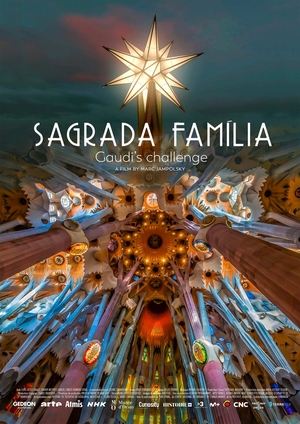
Combining real footage, archival footage, fiction and 3D modeling, this unseen documentary traces the history of this spectacular and unfinished work.
Seven Wonders of the Ancient World
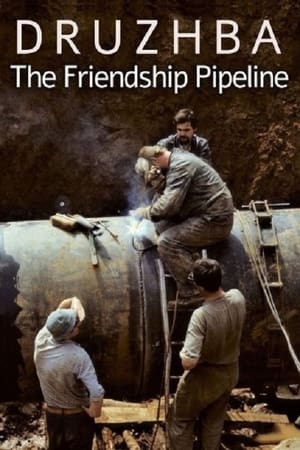
"The Pipeline of the Century -- How Soviet Natural Gas Came to the West" by director Matthias Schmidt shows touching personal memories. The production is a treasure trove of material in which previously unpublished visual material about the construction of the century and its builders can be seen. Writer & Director Matthias Schmidt ; A Co-Production by LOOKSfilm and MDR in Cooperation with ARTE
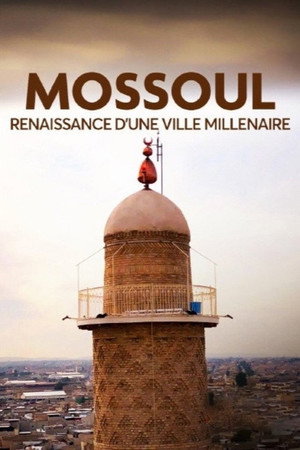
Mossoul, renaissance d'une ville millénaire
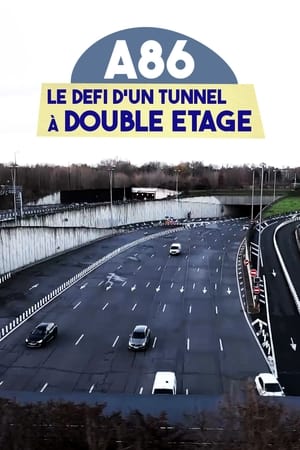
The Duplex A86 is a 10 kilometer underground highway buried more than 90 meters deep. This concrete tube, measuring the equivalent of more than 30 lying Eiffel towers, is the longest tunnel in France. The result of a succession of technical prowess born from the imagination of visionary engineers, the Duplex A86 allows you to cross all of western Paris in a few minutes.
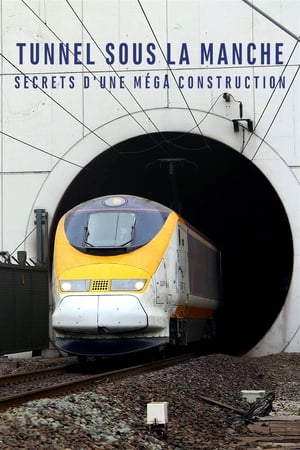
The Channel Tunnel linking Britain with France is one of the seven wonders of the modern world but what did it take to build the longest undersea tunnel ever constructed? We hear from the men and women, who built this engineering marvel. Massive tunnel boring machines gnawed their way through rock and chalk, digging not one tunnel but three; two rail tunnels and a service tunnel. This was a project that would be privately financed; not a penny of public money would be spent on the tunnel. Business would have to put up all the money and take all the risks. This was also a project that was blighted by flood, fire, tragic loss of life and financial bust ups. Today, it stands as an engineering triumph and a testament to what can be achieved when two nations, Britain and France put aside their historic differences and work together.
In this hour long, thrill-packed adventure you'll not only see more than 40 pieces of construction equipment on the job, but how they work together on actual construction sites. These monster machines even talk! Kids see bulldozers, cranes, dump trucks, asphalt pavers and drillers, bucket trucks, steam rollers, backhoes, concrete pumpers, forklifts, Mine drillers, blasting with dynamite and so much more!
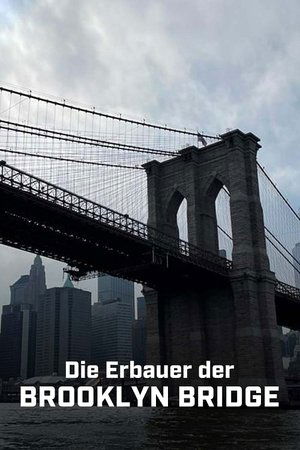
The Brooklyn Bridge spans the East River and connects Manhattan and Brooklyn, the two centers of the port city of New York. Its architect Johann Roebling was one of the great inventors and master builders of his time. The wire rope: his product. The suspension bridge: his dream. The film tells the amazing story of the Roebling family and the spectacular history of the Brooklyn Bridge.
The way to the bus stop is the same everyday in this remote semi rural neighborhood. But when concrete blocks and trucks start to appear on the middle of the street, it's necessary to take a detour. The landscape and daily routine of the residents are completely changed.
Nausicaa: The Largest Aquarium in Europe
The race to save the world's only dedicated Māori World War One Memorial from collapse reveals an unknown soldier's heroic story to the community he was once part of.
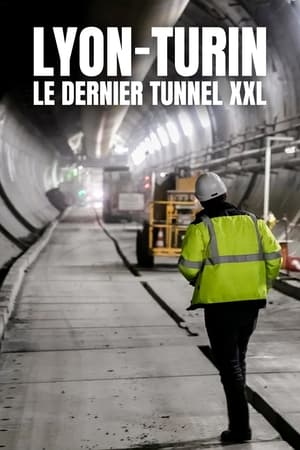
Lyon-Turin : Le Dernier Tunnel XXL
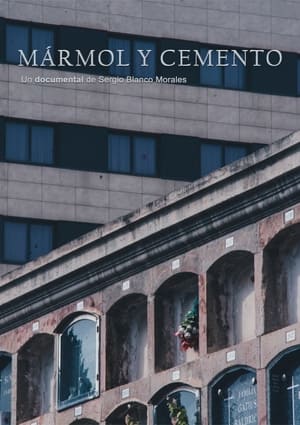
A documentary that invites the viewer to immerse themselves in a intimate and thoughtful walk through Poblenou Cemetery in Barcelona, better know as "El Santet", to see what is happening at its surrounding areas and, especially, inside: work, buildings, people watching over those who are no longer here, cemetery workers... A trip through a space that is closer than we think.
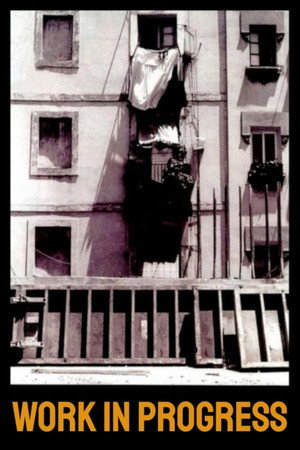
An author spends a year and a half filming what happens as a new apartment building is built in a neighborhood of Barcelona.
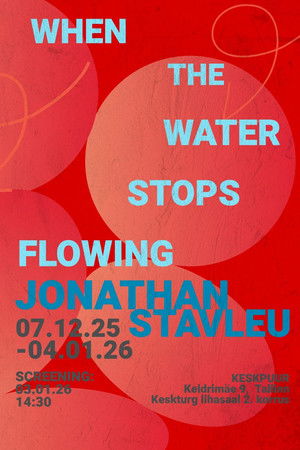
Jonathan Stavleu explores, in a stream-of-consciousness video essay, the relationship people have with water and what happens when access to it is taken away. For this work, he examines anecdotal histories he has heard from Estonians, as well as stories from his own family history in the Netherlands, weaving them together into a journal-like narrative.
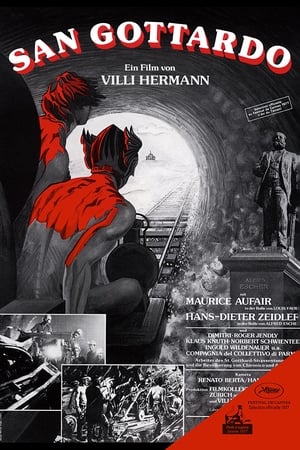
In this docudrama, the real star is a railroad tunnel. First built, at the instigation of a banker and an engineer, in 1872 under appalling conditions, it was widened to accommodate automobiles in 1972. The tunnel links the Rhineland in Germany with Italy and goes through the Swiss mountains. The many lives lost in the building of the first tunnel were considered to be one of the costs for economic progress. In one re-enactment, a strike for better conditions is severely dealt with by the military. Even in 1972, though working conditions were better, most of the men working on the tunnel were poor immigrant workers, with almost no power to negotiate better treatment.