A guide to going metric from the Central Office of Information on behalf of the Metrication Board.
Discusses the effects of alcohol on the brain and behavior, particularly in relation to driving. It explains how alcohol impairs judgment, perception, coordination, and vital functions by affecting different brain regions. Factors influencing blood alcohol concentration (BAC) include the amount consumed, body size, sex, and the rate of consumption. The video also debunks myths about sobering up and emphasizes the importance of allowing time for alcohol to metabolize before driving. Even at BAC levels considered legally impaired, individuals may not recognize their diminished capabilities.
Discusses the dangers of accidental poisoning, particularly in children, due to household substances like cleaners and medications. It emphasizes the importance of identifying the product involved in the poisoning, recognizing symptoms, and taking immediate action. Key steps include diluting the poison with milk or water, calling for medical assistance, and bringing the poison container to the hospital. The document also highlights the risks of drug misuse and inhalation of toxic fumes, urging quick responses to emergencies.
The film "And Then It Happened" follows two school bus drivers known for their safety records. During routine rides, a series of distractions and misbehaviors from the students lead to a disastrous accident, injuring several classmates. The narrative explores the challenges of managing rowdy children on a bus and the consequences of their actions, highlighting the importance of safety and the hidden struggles of the students.
A 1972 educational film by Dan Gibson Productions, aims to guide young viewers in recognizing the temptations and risks associated with alcohol and excessive drinking through the lens of a nature documentary. Through a series of cautionary scenarios and reflections, it sheds light on the societal lure of alcohol and its potential consequences. This film serves as both a warning and a primer on self-awareness around drinking habits, connecting with an era increasingly concerned with youth education on substance use.
Mickey and his friends take a close look at important street safety situations and tips.
The plot chronicles the exploits of Michael, a teenager who is using marijuana and stealing his father's beer. His younger sister, Corey, is worried about him because he started acting differently. When her piggy bank goes missing, her cartoon tie-in toys come to life to help her find it. After discovering it in Michael's room along with his stash of drugs, the various cartoon characters proceed to work together and take him on a fantasy journey to teach him the risks and consequences a life of drug-use can bring and save the world.
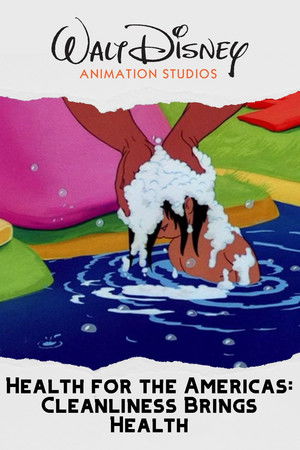
The comparison of two rural families to demonstrate the need for proper hygiene and the consequences of its neglect.
Never Go With Strangers was intended for children aged between seven and ten and its purpose was ‘to warn them of the dangers of accepting lifts or presents from strangers’. Due to potential distress government officials instructed that the film only be shown under ‘responsible adult supervision’, thus denying it a TV airing for many years.
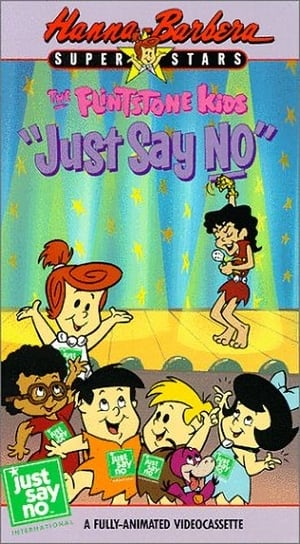
A special that shows the young Flintstones trying to raise money so they can go to a concert. The story takes a turn when older kids try to push drugs on them.
The most far spot of Iran desert. 'Habib o-llah Qolami', a poor and old farmer looses his young son in a car accident. Habib after his son's death takes a big decision. He spends all his has for making a medical help station in the road and gifts it to Red Crescent. From now no one dies of car accident.
The Ministry of Labour exhorts women to return to industry – the post-war production drive depends on them.
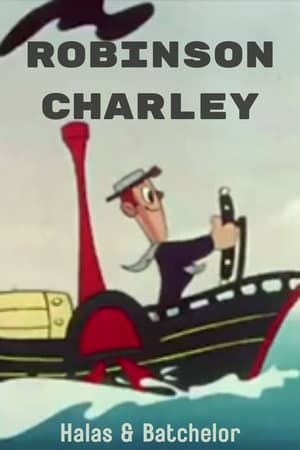
No man is an island, but Charley represents his nation in this economical cartoon tale of Britain’s economics.
Documentary short film demonstrating the process by which waste fats from the kitchens of American homes can be transformed into the raw materials for explosives for the war effort.
This animated documentary outlines the history and importance of corn in North America.
Animated documentary promoting timely filing and payment of Federal income taxes, demonstrated by Donald Duck's difficulties with his tax return.
The Seven Dwarfs fight malaria.
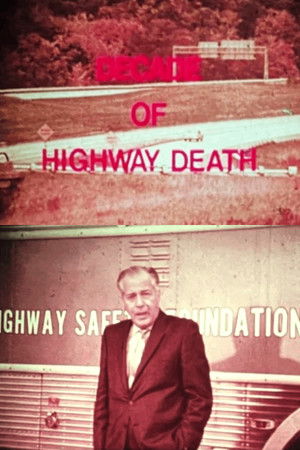
This highway scare film produced by the Highway Safety Foundation in 1971, "Decade of Death", is a retrospective of the organization's 10 years of gory, shocking social guidance films which aimed to promote traffic safety and driver responsibility through the display of bloody and horrific footage of traffic crashes.The Highway Safety Foundation made driver scare films such as "Signal 30," "Mechanized Death," and "Highways of Agony" that intended to encourage drivers to drive responsibly and with consideration of the risks and consequences. It was the organization's belief that crash footage, while horrific, was the best way to convey the importance of driving safely.
“The Mystery Crash” discusses the dangers of drinking and driving especially as it pertains to the seemingly harmless “social drinker.” This film was produced by Jack Lieb Productions Inc, Chicago and sponsored by the National Safety Council. It is part of a series of films, with each episode describing a different element of driving and road safety.
James Blake joins three young men to explore why they're turned to the so-called manosphere to achieve success, and how it influences their real lives.