Commissioned by the journal Présence Africaine, this short documentary examines how African art is devalued and alienated through colonial and museum contexts. Beginning with the question of why African works are confined to ethnographic displays while Greek or Egyptian art is celebrated, the film became a landmark of anti-colonial cinema and was banned in France for eight years.
"A Walk to Beautiful" tells the story of five women in Ethiopia suffering from devastating childbirth injuries. Rejected by their husbands and ostracized by their communities, these women are left to spend the rest of their lives in loneliness and shame. The trials they endure and their attempts to rebuild their lives tell a universal story of hope, courage, and transformation.
“There was excitement in the air,” says Donga, now in his late twenties, describing his feelings when the uprising against Muammar Gaddafi’s rule broke out in 2011. He was 19, living in Misrata, and boldly went to film the fighting with a friend. A decade later, in a hotel in Istanbul, where he has been living since he was wounded in battle, he looks back on the past ten years through excerpts from his videos. And he reflects on how that period has affected him.
Hijos de África
This excellent feature-length documentary - the story of the imperialist colonization of Africa - is a film about death. Its most shocking sequences derive from the captured French film archives in Algeria containing - unbelievably - masses of French-shot documentary footage of their tortures, massacres and executions of Algerians. The real death of children, passers-by, resistance fighters, one after the other, becomes unbearable. Rather than be blatant propaganda, the film convinces entirely by its visual evidence, constituting an object lesson for revolutionary cinema.
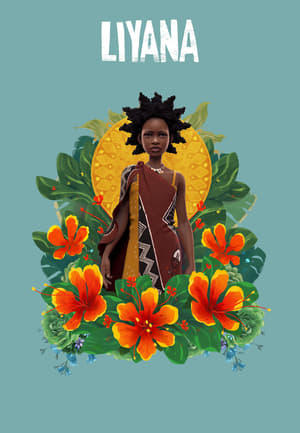
A talented group of orphaned children in Swaziland create a fictional heroine and send her on a dangerous quest.
This documentary of repressive political realities in Cameroon begins with the 1990 publication of an open letter to President Biya calling for a national conference - and the immediate arrest of the letter's author and publisher. The narration then examines the nation's colonial history, beginning with the first German missionary in 1901, the establishment of schools, French occupation following World War I, the paucity of books written by and published by Cameroonians, and the repression of the CPU, a leftist organization of the 1950s and 1960s. Cameroon and its people are the lark, its feathers plucked first by colonialism and then by native strongmen: 'Alouette, je te plumerai.'
Live footage from concentration camps after the liberation, and the complex transport and lodging of masses of prisoners of war and other deported people back to their home countries, at the end of World War II. A 45min 35mm print also exists (shown at Cinémathèque française in 2023).
Cruel Famine Continent documents the Great Sahelian drought in West Africa and its effect on the people. The production was an attempt to pivot Toei's output from yakuza films and Toei Porn towards "global issues" and "whatever makes money", as stated by then-Toei president Shigeru Okada. Theatrical proceeds were to be shared as relief funds through the Japanese Red Cross, though the box office returns are unknown. Footage shot for the documentary by Yoshimitsu Banno would later be reused in the 1974 Toho production Prophecies of Nostradamus.
Watch the chilling tale of African women whose fertility was tragically stripped away through an experimental tetanus vaccination program. Are women from other continents next?
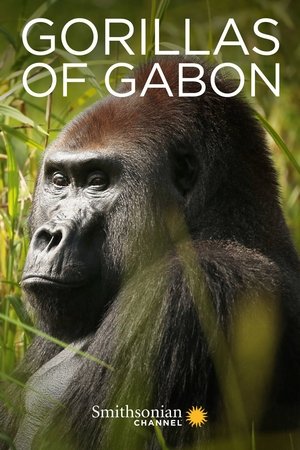
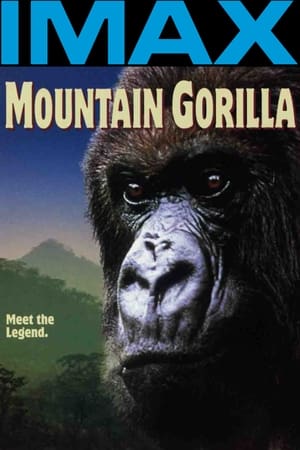
Mountain Gorilla takes us to a remote range of volcanic mountains in Africa, described by those who have been there as ""one of the most beautiful places in the world"", and home to the few hundred remaining mountain gorillas. In spending a day with a gorilla family in the mountain forest, audiences will be captivated by these intelligent and curious animals, as they eat, sleep, play and interact with each other. Although gorillas have been much-maligned in our popular culture, viewers will finally ""meet the legend"" face to face, and learn about their uncertain future.
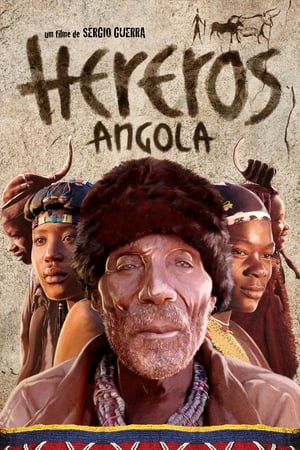
This film speaks of archaic peoples, their customs and mores, in an attempt to make the last snapshots of their traditional lifestyles before they are gone for good.
A unique look at three of the greatest builders of the African Savannah: weaver birds, aardvarks and termites. In their spectacular buildings they do not live alone! Many roommates from other species, from small insects, reptiles and birds to large mammals, not only live together — they also benefit from sharing the same roof.
Many geneticists and archaeologists have long surmised that human life began in Africa. Dr. Spencer Wells, one of a group of scientists studying the origin of human life, offers evidence and theories to support such a thesis in this PBS special. He claims that Africa was populated by only a few thousand people that some deserted their homeland in a conquest that has resulted in global domination.
4 young strangers, all war refugees, unite to take on the challenge of summiting Mt. Kilimanjaro, one of the seven summits and the highest peak in Africa. They have been brought together by the charity INARA to shed light on the impact of war on children. The mountain always has a lesson, and often not what we think or expect it to be. Not all will make it to the summit, some will be forced to face dormant personal demons. This is a story of physical and emotional adventure, the rollercoaster of life, and the possibilities that emerge when we stand together.
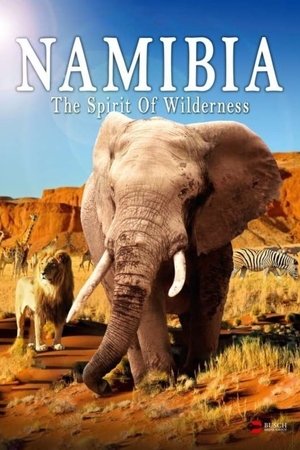
"Africa Light" - as white local citizens call Namibia. The name suggests romance, the beauty of nature and promises a life without any problems in a country where the difference between rich and poor could hardly be greater. Namibia does not give that impression of it. If you look at its surface it seems like Africa in its most innocent and civilized form. It is a country that is so inviting to dream by its spectacular landscape, stunning scenery and fascinating wildlife. It has a very strong tourism structure and the government gets a lot of money with its magical attraction. But despite its grandiose splendor it is an endless gray zone as well. It oscillates between tradition and modernity, between the cattle in the country and the slums in the city. It shuttles from colonial times, land property reform to minimum wage for everyone. It fluctuates between socialism and cold calculated market economy.
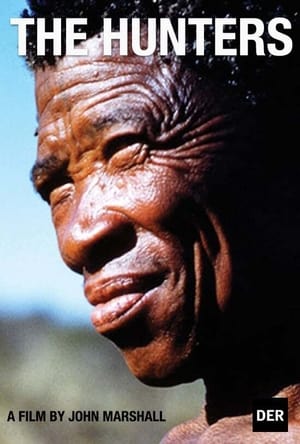
An ethnographic documentary following four Ju/’hoansi (!Kung) men during a multi-day giraffe hunt in the Kalahari Desert, filmed during the Smithsonian–Harvard Peabody expedition of 1952–53.
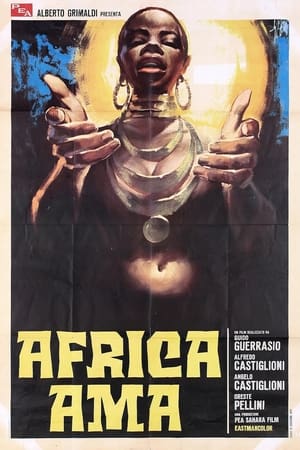
A chronicle of the violence that occurred in much of the African continent throughout the 1960s. As many African countries were transitioning from colonial rule to other forms of government, violent political upheavals were frequent. Revolutions in Zanzibar and Kenya in which thousands were killed are shown, the violence not only political; there is also extensive footage of hunters and poachers slaughtering different types of wild animals.
Travel with Major Lazer to Ghana and Nigeria to make the world smaller by making the party bigger. They are collaborating with cutting-edge Afrobeats artists including Mr.Eazi, Efya, Teni, Sarkodie and Amaarae as they explore the culture and history of Africa. Chasing the Sound: Major Lazer, watch now only on YouTube.
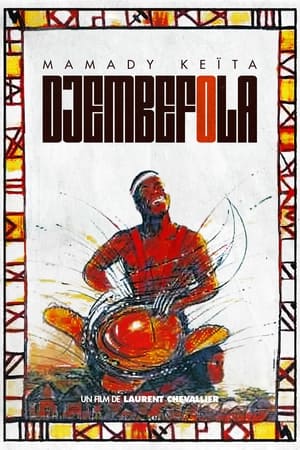
African drummer leaves village, makes it big in the world. Great drumming!!